WhatsApp
Sri Lanka is one of the world's most geographically concentrated travel destinations - an island where ancient rainforest meets highland tea country, where medieval ruins rise from jungle clearings just hours from surf-washed southern shores. Its five distinct landscape zones each carry a completely different character, climate, and set of experiences. What follows is not a checklist. It is an invitation.
Windy and Serene Beaches
Ancient and Historical Destinations
Wildlife Sanctuaries
Misty Hills and Adventure Destinations
Eco and Sustainable Destinations
Arugam Bay
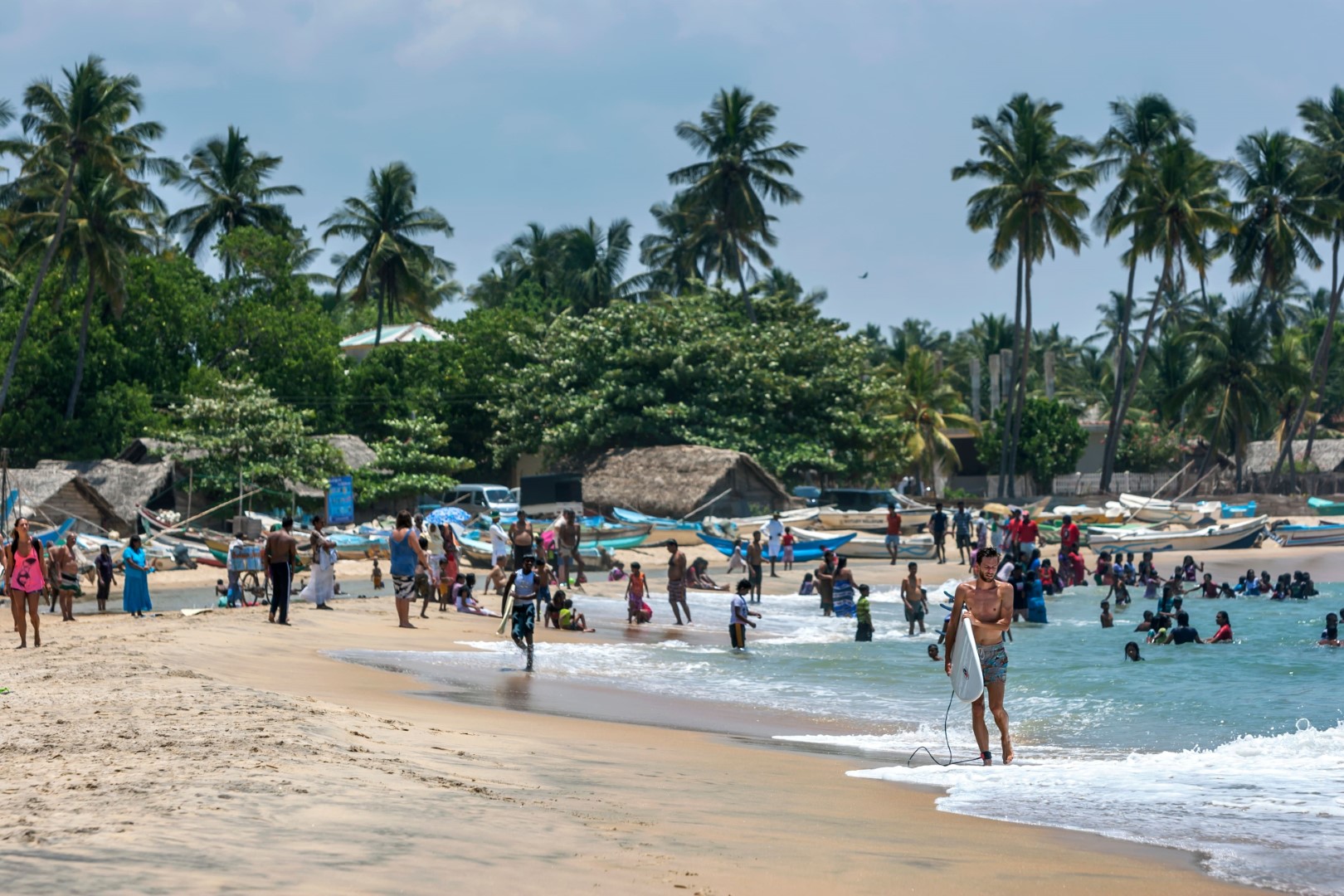
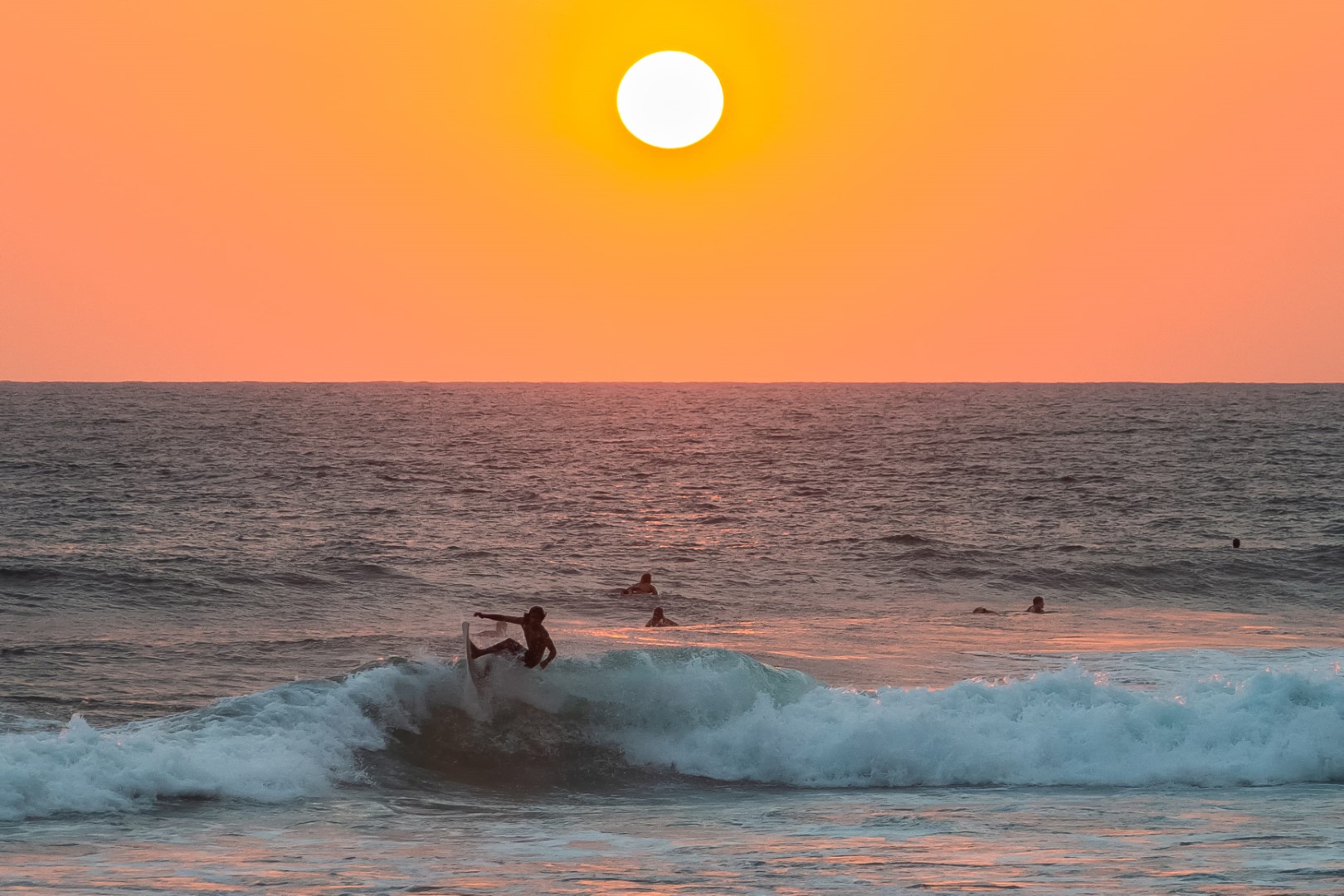
On Sri Lanka's eastern coast, Arugam Bay is a name known to surfers worldwide - the point break at the bay's southern tip is ranked consistently among the best in Asia, drawing serious wave riders from June through September when the south-west monsoon generates long, clean swells. The town around it has developed a distinctive character: relaxed, creative, international, and still small enough that the sand is never crowded and the sunsets are a shared ritual rather than a tourist attraction. Beyond the main break, the surrounding region offers flamingo lagoons, jungle-fringed beach extensions, and elephant sightings along the coastal road to Kumana.
Trincomalee
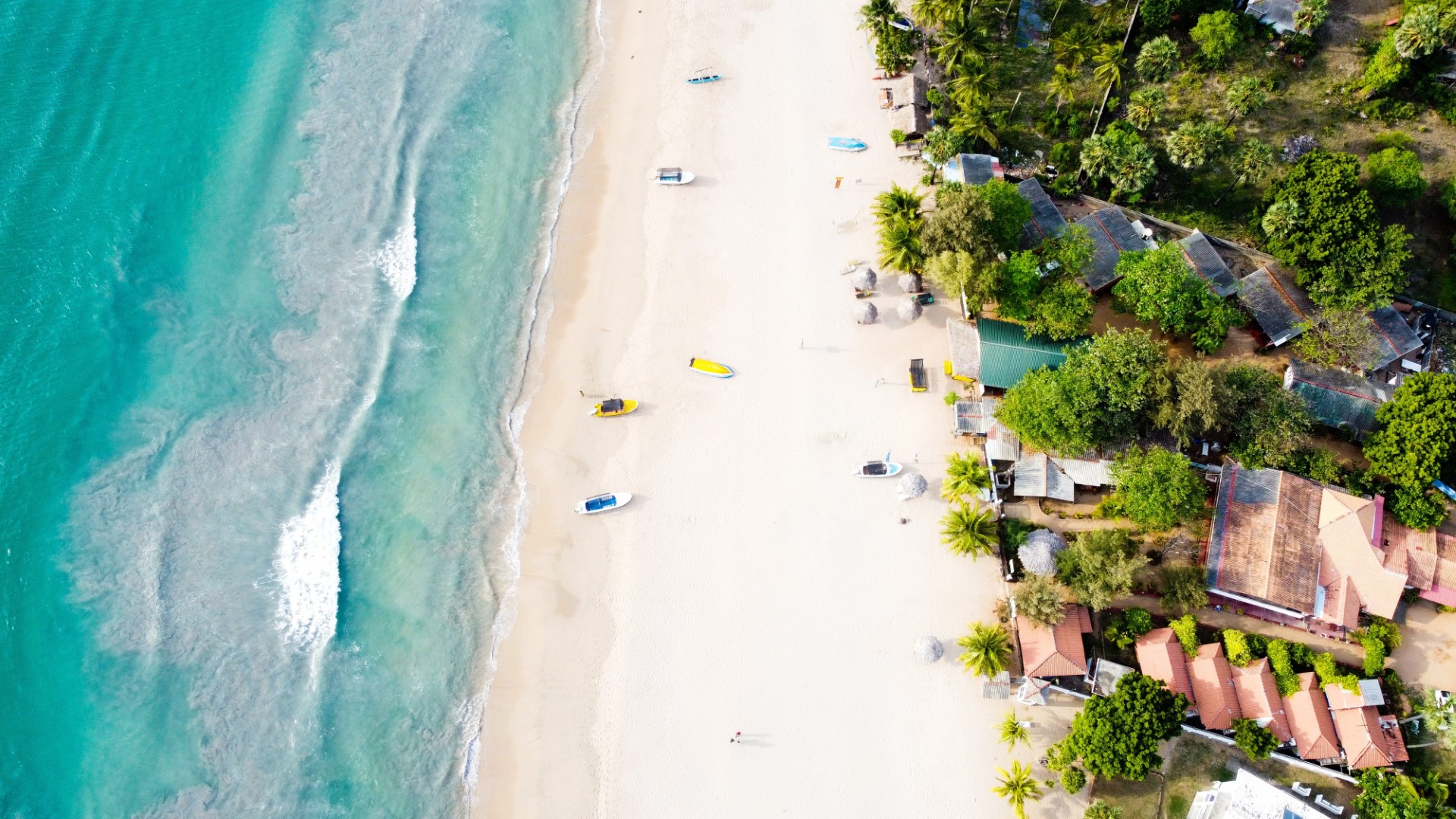
Trincomalee guards one of the finest natural harbours in the world - a deep, sheltered bay that has been coveted by every maritime power to have passed through the Indian Ocean. The beach at Nilaveli, a short drive north of the town, is widely considered among the most beautiful on the island: white sand, calm turquoise water, and a horizon that stretches unbroken to the east. Pigeon Island, a short boat ride offshore, is home to blacktip reef sharks and one of Sri Lanka's best snorkelling reefs. The ancient Koneswaram Temple, perched on a headland above the harbour, adds a spiritual dimension that puts Trincomalee in a different category from most beach destinations.
Pasikuda
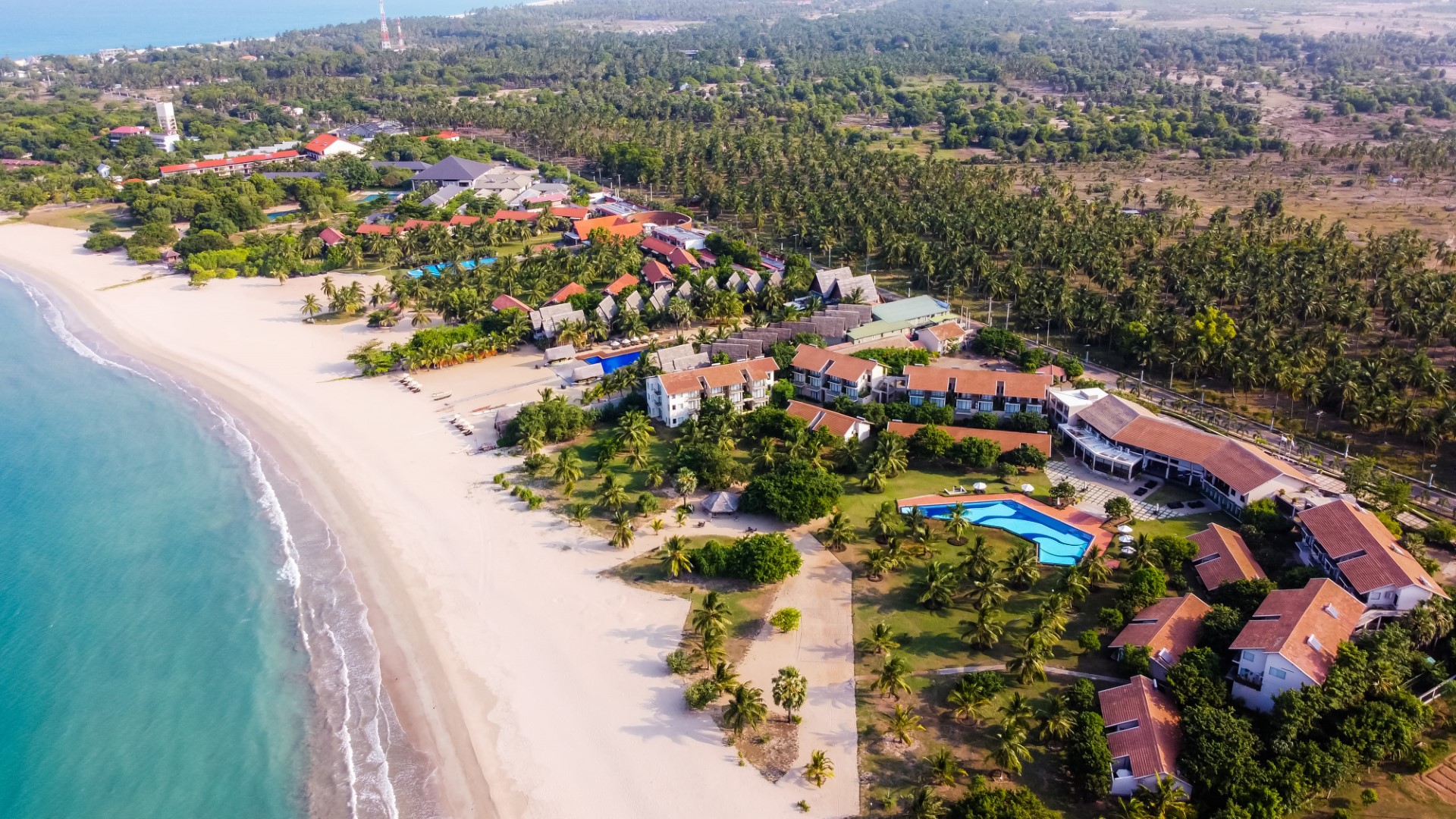
Pasikuda is unusual among Sri Lanka's beaches: a broad, shallow bay protected by an outer reef that creates calm, crystal-clear water for hundreds of metres from shore - the kind of conditions more associated with the Maldives than a mainland coast. The reef drops away quickly beyond the shallows, making it equally suitable for confident swimmers and young children in the protected zone. Development remains relatively low-key, the sand is exceptional quality, and the east coast light - particularly in the early morning and late afternoon - has a quality that photographers notice immediately. Pasikuda is not on the way to anywhere else on most itineraries, which means it rewards those who make the deliberate detour.
Negombo
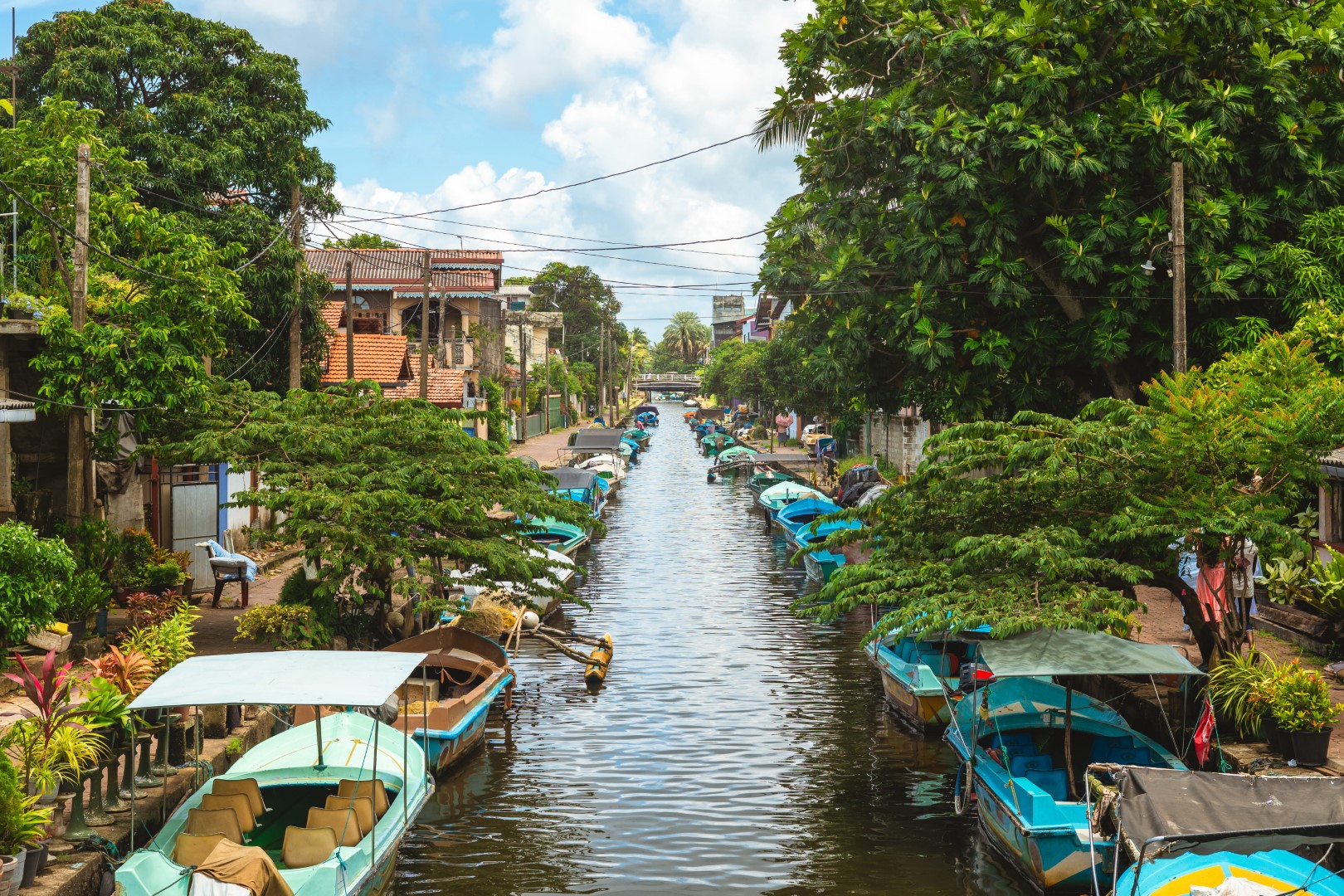
Negombo sits just south of the international airport, but the ease of access is only one reason to include it. This is a working fishing town with a strong Dutch colonial legacy - the canal system, the St. Mary's Church, the daily fish market where the overnight catch arrives before dawn - and a beach culture that is relaxed rather than resort-polished. The lagoon behind the town is home to a mangrove ecosystem best explored by early morning boat, and the seafood restaurants that line the coast cook that same morning's catch in ways that set a high bar for the rest of the trip.
Bentota
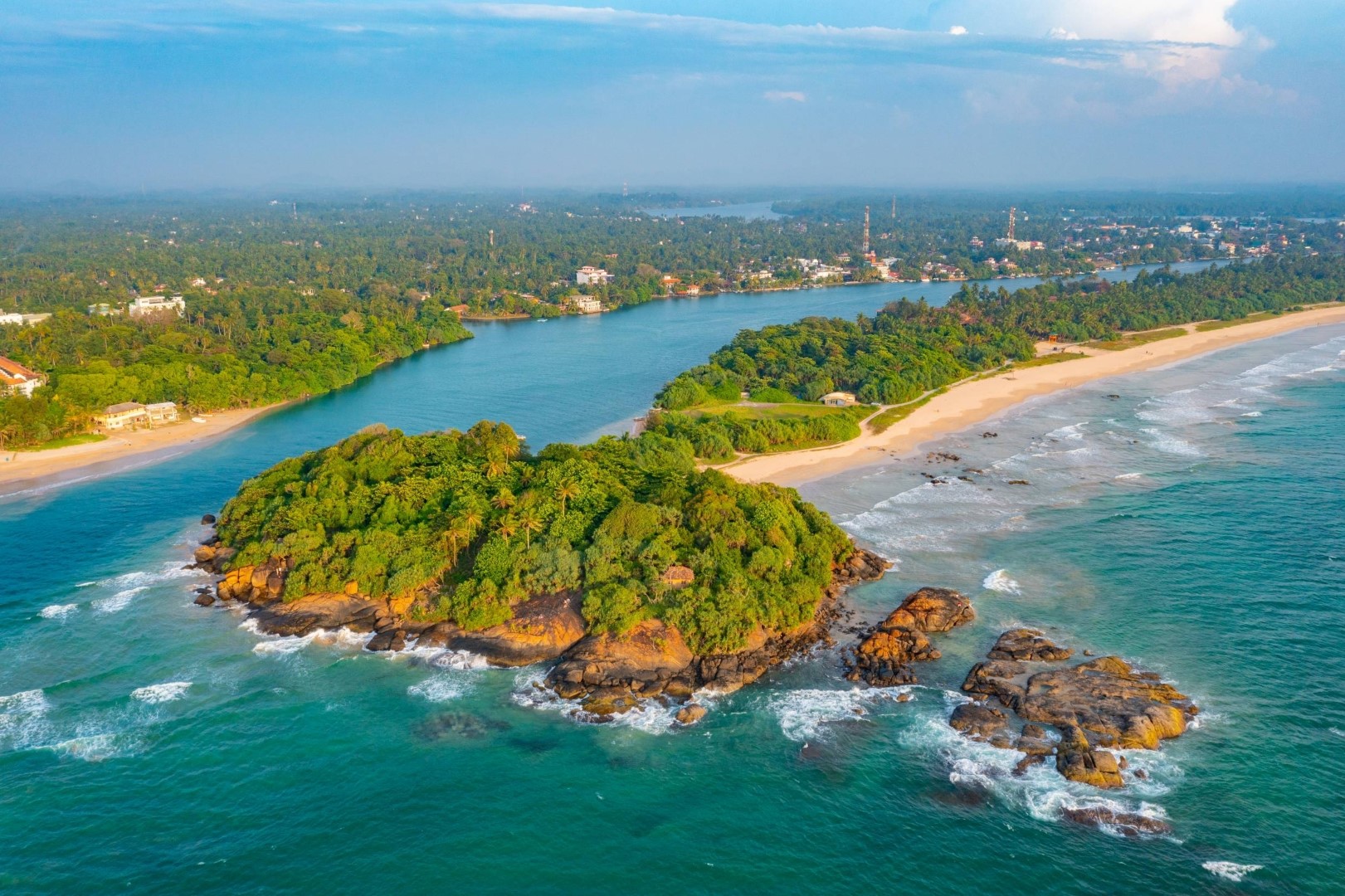
Bentota is the south-west coast's most developed beach resort destination, but development here has been tasteful enough that it retains real appeal. The beach is wide, calm, and safe for swimming through the dry season months, and the Bentota Lagoon - which runs parallel to the shore and empties into a wide river mouth - offers world-class water sports conditions: jet skiing, banana boats, wakeboarding, and the famous Madu River boat safari through a mangrove estuary of extraordinary biological richness. Colonial-era plantation houses converted into boutique hotels add a layer of character that pure resort destinations rarely achieve.
Hikkaduwa
Hikkaduwa has been a traveller's destination since the 1970s, and while the town has grown, its essential character has not entirely been lost. The reef directly offshore - accessible by swimming or glass-bottomed boat - shelters a community of sea turtles that have been frequenting these waters for decades. The surf breaks are reliable and attract a year-round community of intermediate and experienced surfers. Inland, Hikkaduwa's spice gardens and rubber plantations offer a different dimension to the coastal scene. It is not a hidden gem, but it is a genuinely enjoyable place.
Unawatuna
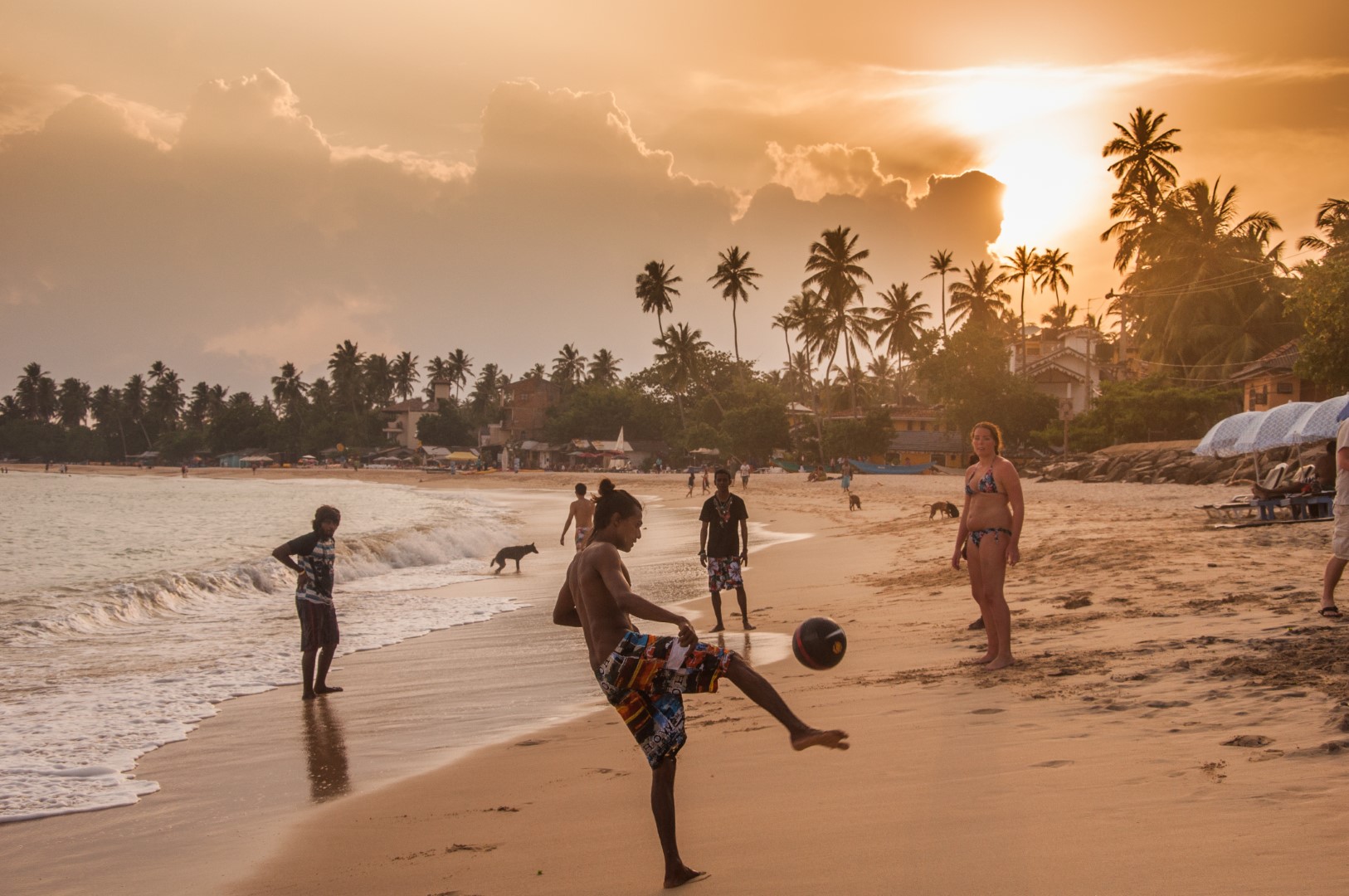
Unawatuna's crescent-shaped bay, sheltered by a rocky headland, creates one of the calmest and most swimmable beaches on the south coast - a natural horseshoe of clear water fringed by coconut palms and backed by a village whose hospitality has not been entirely consumed by tourism. The reef at the bay's edge offers decent snorkelling. Jungle Beach, a ten-minute walk over the headland, is secluded enough to feel like a discovery even on a busy weekend. The proximity to Galle - just a few kilometres east - makes Unawatuna a natural base for cultural exploration combined with beach relaxation.
Galle
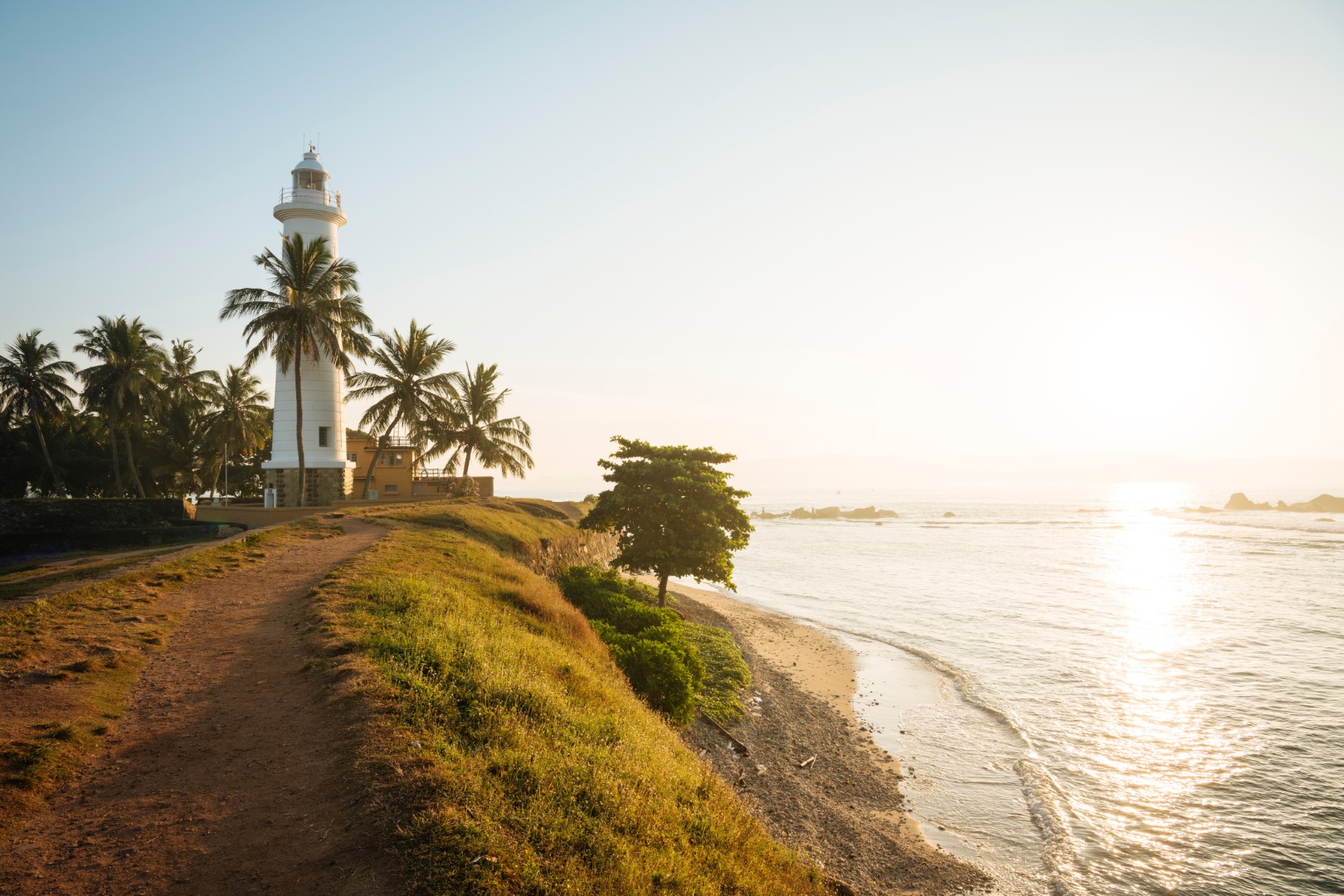
Galle is not primarily a beach destination - it is a UNESCO World Heritage city that happens to sit beside the sea. The Dutch fort, built in the 17th century and expanded across the following two hundred years, encloses a living neighbourhood of colonial-era buildings now occupied by boutique hotels, art galleries, independent restaurants, and design stores whose quality rivals anything in Asia. Walking the ramparts at sunset, with the Indian Ocean on three sides and the red-tiled rooftops of the fort below, is one of Sri Lanka's essential pleasures. The town outside the fort has its own character - a market district, old mosques, and the kind of street food culture that rewards those willing to wander.
Mirissa
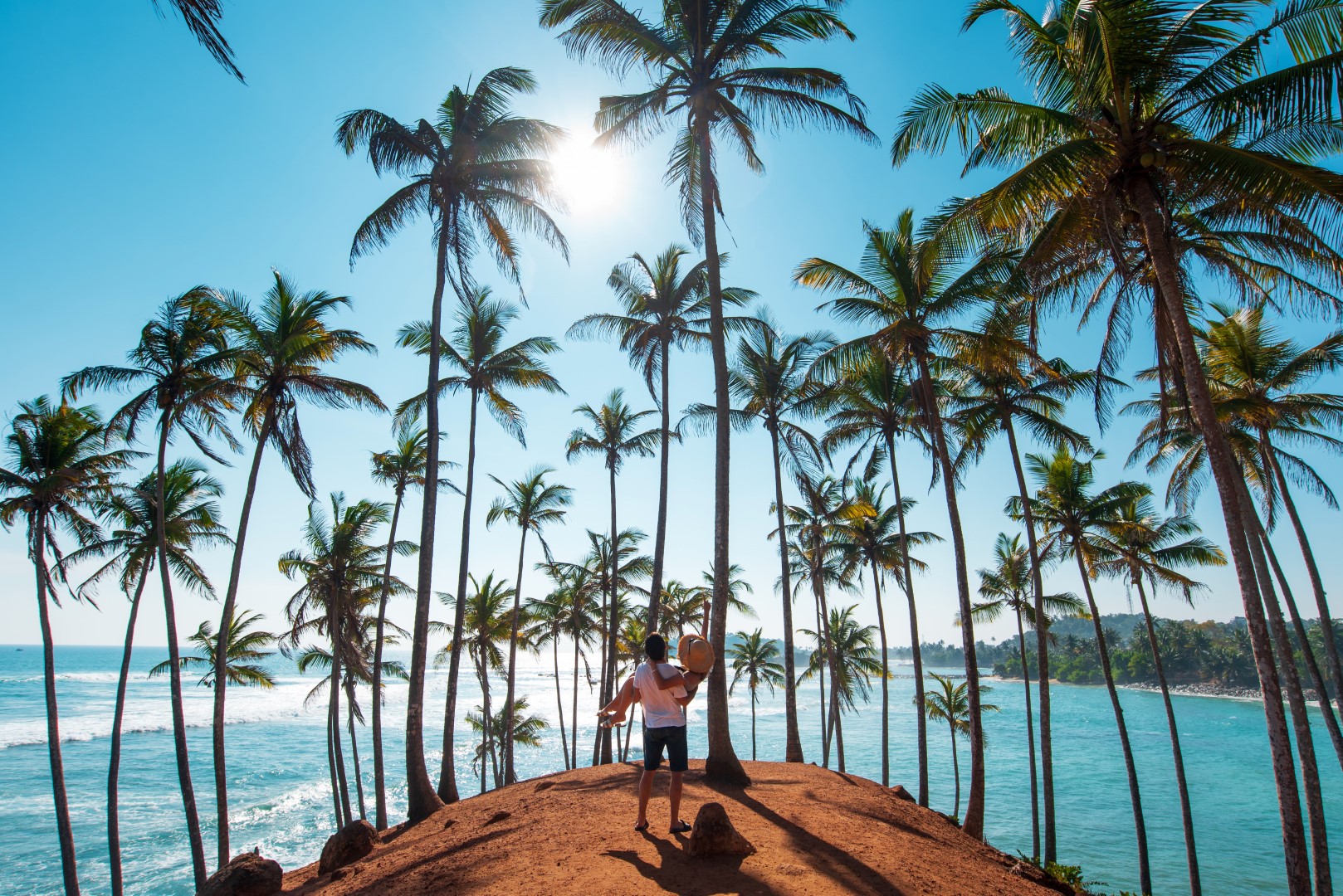
Between November and April, Mirissa becomes one of the world's premier whale watching destinations - blue whales, the largest animals ever to have lived, pass through these waters in significant numbers, and responsible operators bring visitors within proximity of these creatures at dawn with a reliability that few locations can match. Outside the whale watching season, Mirissa is a small, genuinely beautiful south coast beach with calm water, excellent seafood, and a laid-back atmosphere shaped by the fishing community whose boats still work these shores each morning. It is, without exaggeration, one of the most pleasant places to simply be on this island.
Weligama
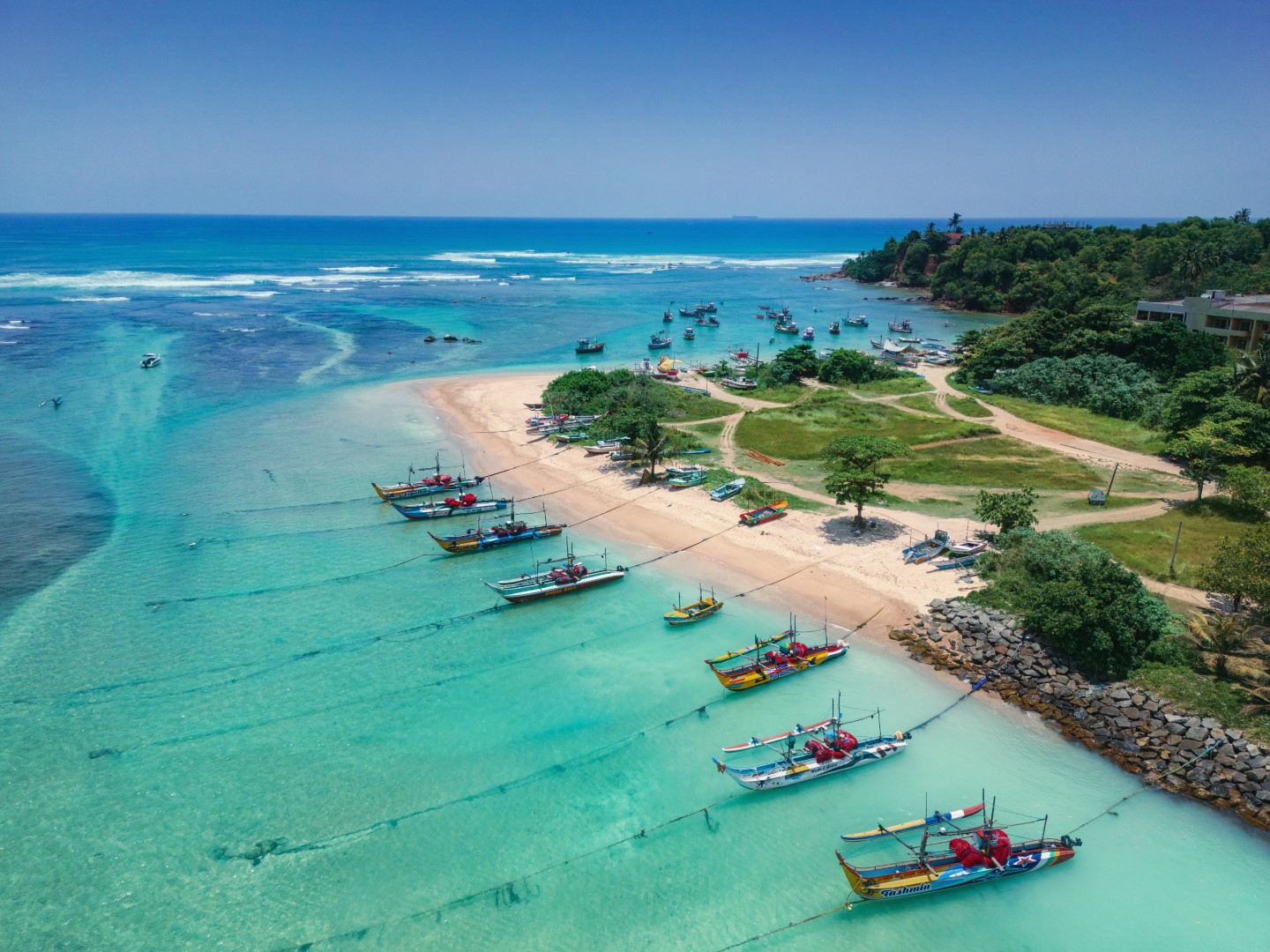
Weligama's long, gently curving bay has been a stilt fisherman's perch for generations - and those iconic silhouettes of fishermen balanced on poles driven into the shallow reef are still visible at dawn and dusk, one of Sri Lanka's most photographed and genuinely otherworldly images. The bay itself is one of the best learn-to-surf locations in Sri Lanka: the wave is consistent, forgiving, and long enough to allow real runs. The town behind the beach has expanded with good restaurants and accommodation without yet losing the community feel that makes it different from the more developed coastal resorts to the north.
Kandy
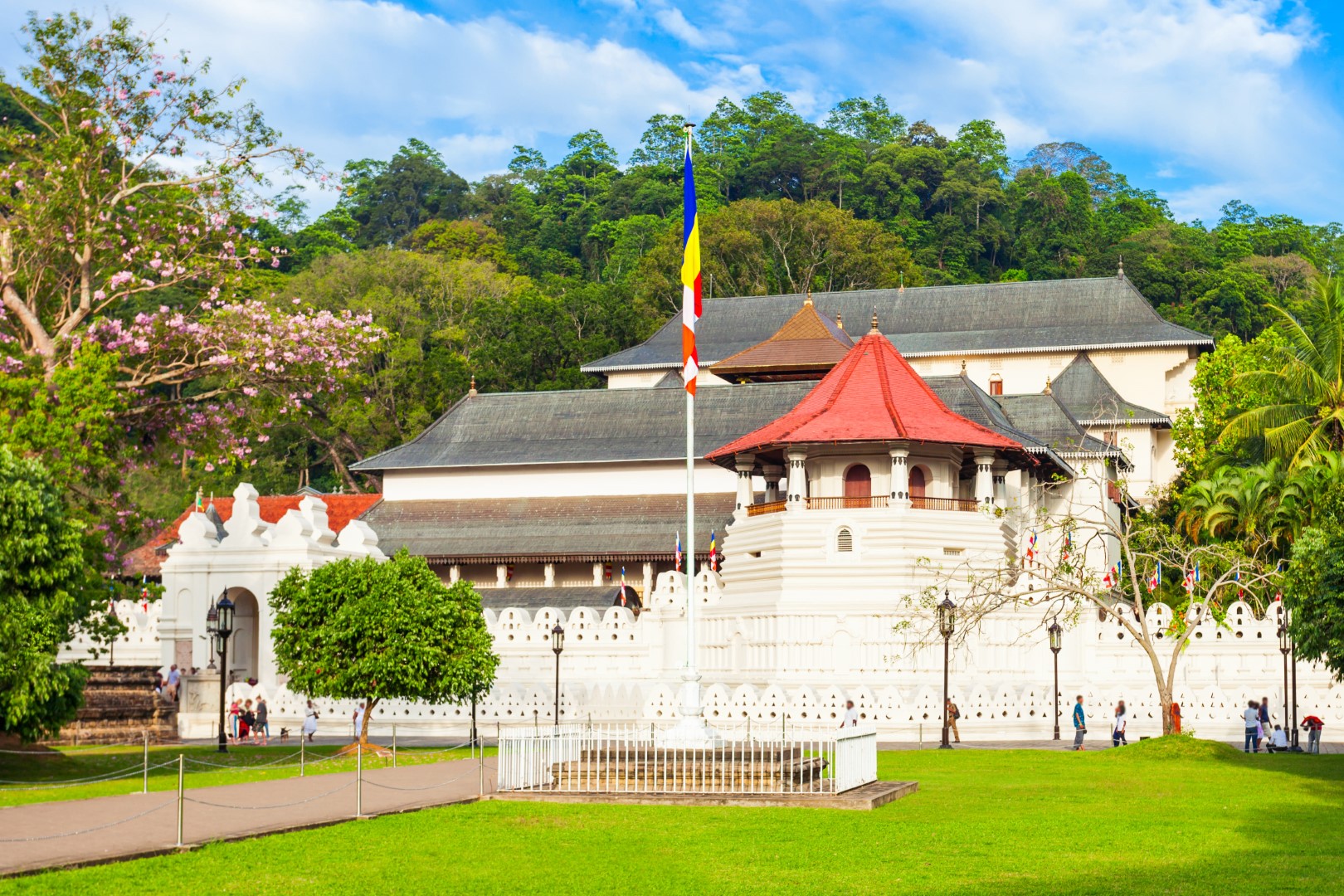
Kandy is Sri Lanka's cultural capital - the hill city that served as the last independent Sinhalese kingdom and remains today the spiritual and ceremonial heart of the island. The Temple of the Sacred Tooth Relic houses what is believed to be a tooth of the Buddha, and the puja ceremonies at dawn and dusk - accompanied by the sound of traditional drums, horns, and the smell of jasmine and incense - are among the most atmospheric religious experiences in South Asia. Beyond the temple, Kandy offers the outstanding Peradeniya Botanical Gardens, a thriving arts and craft scene, and the extraordinary spectacle of the Esala Perahera in August - a ten-day procession of elephants, fire dancers, and thousands of pilgrims that is unlike anything else on earth.
Dambulla
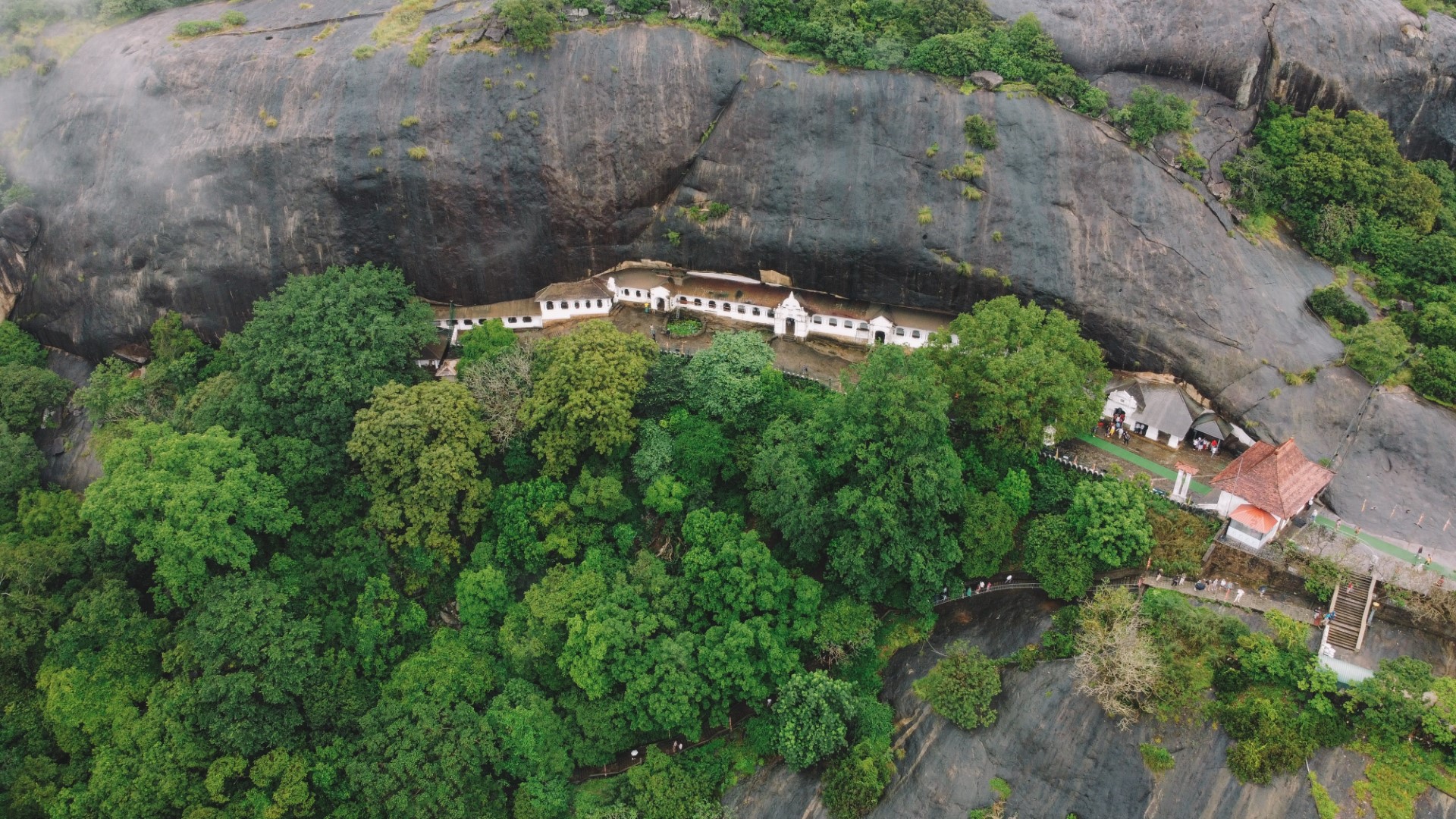
Carved into a granite massif that rises 160 metres above the surrounding plain, the Dambulla Cave Temple complex is one of the finest examples of cave art in Asia and the largest of its kind in Sri Lanka. Five interconnected chambers contain 153 Buddha statues, 3 statues of Sri Lankan kings, and 4 of gods - all surrounded by murals that cover every available surface across 2,100 square metres of painted cave ceiling. The oldest paintings date from the 1st century BCE; the most recent from the 18th century. Dambulla is often visited as a half-day stop between other Cultural Triangle sites, but it deserves more attention than that. The quality of the art, and the strangeness of standing inside a painted world inside a rock, rewards a slow visit.
Sigiriya
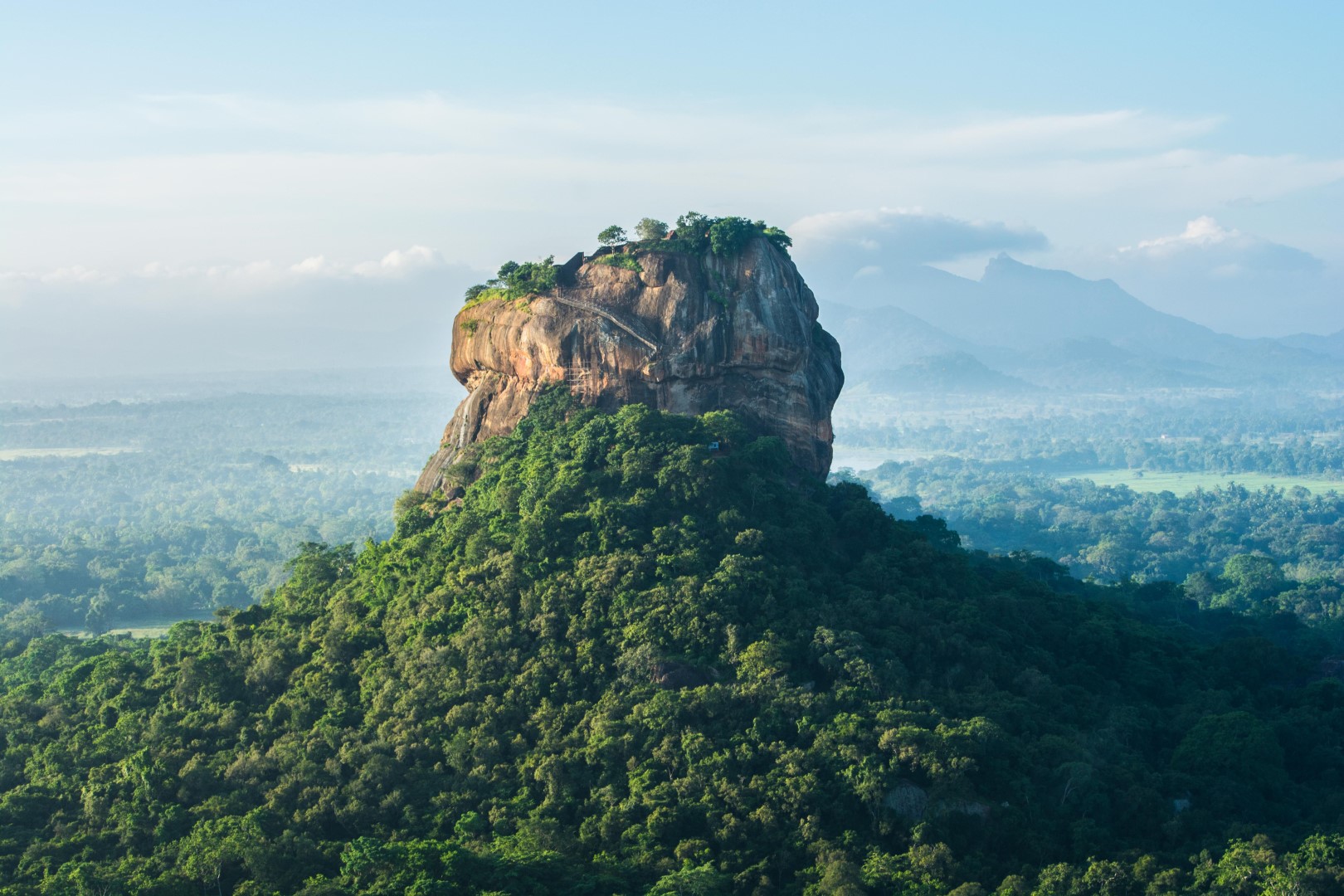
There is no gentle way to describe Sigiriya. A 200-metre volcanic plug rising sheer from the flat jungle plains of the Cultural Triangle, it bears on its summit the ruins of a 5th-century royal palace built by a king who chose a fortress in the sky over any earthly alternative. The climb passes ancient frescoes of celestial women painted directly onto the rock face, a pair of colossal lion's paws carved at the final ascent, and a sequence of water gardens below that represent some of the oldest surviving landscape architecture in Asia. Arrive before dawn and watch the mist clear across the forest canopy. Sigiriya does not need embellishment - it needs only the right hour.
Anuradhapura
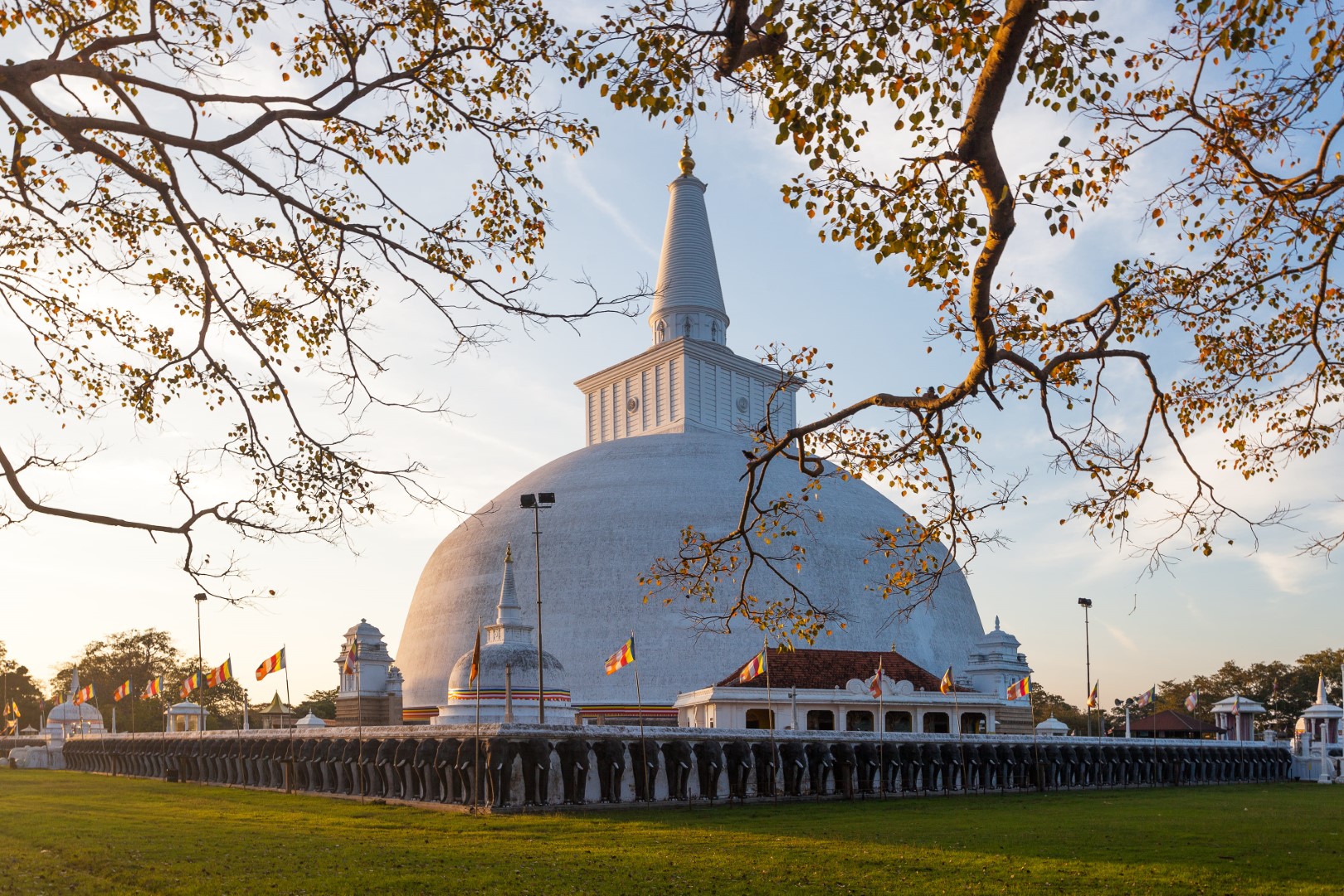
For over a thousand years, Anuradhapura was one of the most powerful cities in Asia - a hydraulic civilisation that fed a population of millions through a network of reservoirs and irrigation channels that are still in use today. What survives is staggering in scale: three of the largest brick structures ever built anywhere in the ancient world, a sacred fig tree believed to be the oldest human-planted tree on earth, and a city plan that extends across square kilometres of forest and paddy. The Sri Maha Bodhi tree - grown from a cutting of the original Bodhi tree under which the Buddha attained enlightenment - draws pilgrims from every Buddhist nation on the planet. On a full moon poya day, Anuradhapura does not feel like a ruin. It feels like a city that never quite ended.
Polonnaruwa
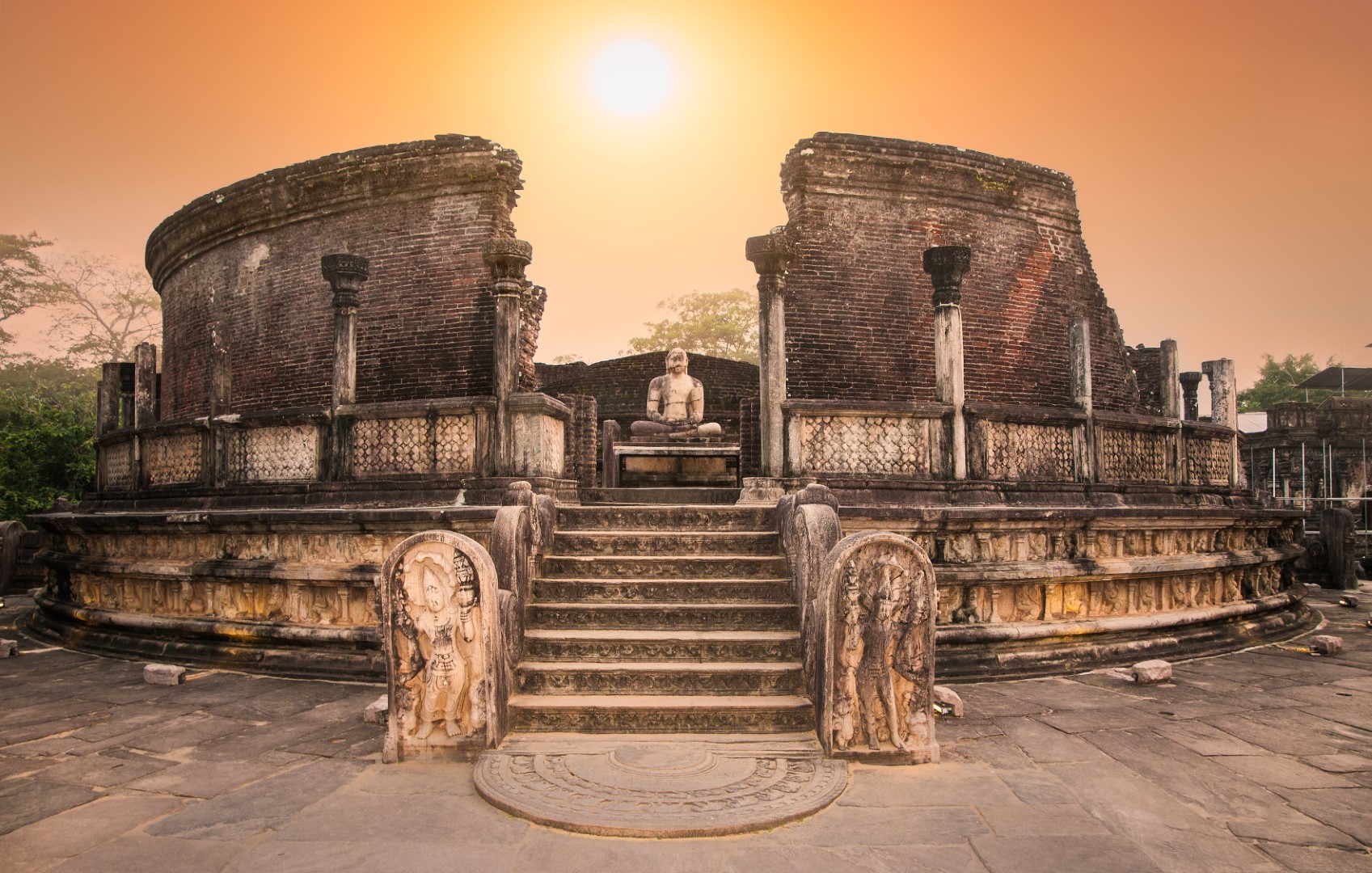
Sri Lanka's second great ancient capital achieved its peak between the 11th and 13th centuries, and the concentration of architectural achievement it left behind is extraordinary. The Gal Vihara - four colossal figures carved from a single granite face, including a 15-metre reclining Buddha of breathtaking serenity - is one of the great works of Asian religious art. The Vatadage, a perfectly proportioned circular relic house, demonstrates a mastery of geometric architecture that feels almost modern. Explore by bicycle along the flat, shaded pathways between monuments - Polonnaruwa rewards the visitor who moves slowly, pauses often, and allows each site to speak for itself before moving to the next.
Yala National Park
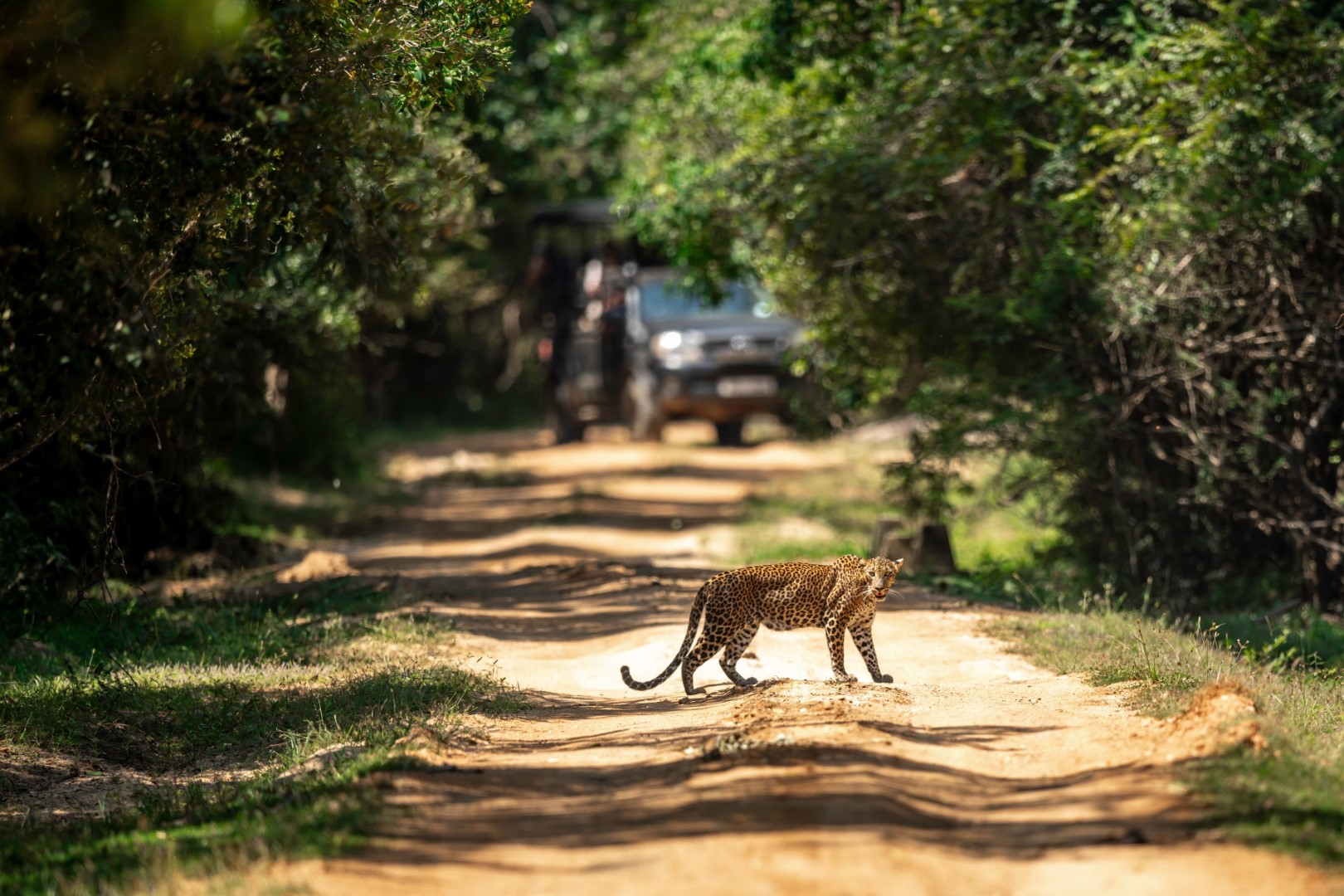
Yala is Sri Lanka's most famous national park, and the benchmark against which every safari on the island is measured. Block 1 - the section open to visitors - covers 140 square kilometres of dry thorn forest, open grassland, lagoons, and coastal scrub, and supports a leopard density that is among the highest recorded anywhere in the world. A full-day safari here will typically produce elephant sightings, water buffalo, mugger crocodiles, sambar deer, hundreds of bird species, and - on most mornings - at least one leopard in the open. The coastal setting of the park adds a dramatic visual dimension that inland safari parks cannot match: waves visible beyond the tree line, saltwater lagoons reflecting morning cloud.

Wilpattu National Park
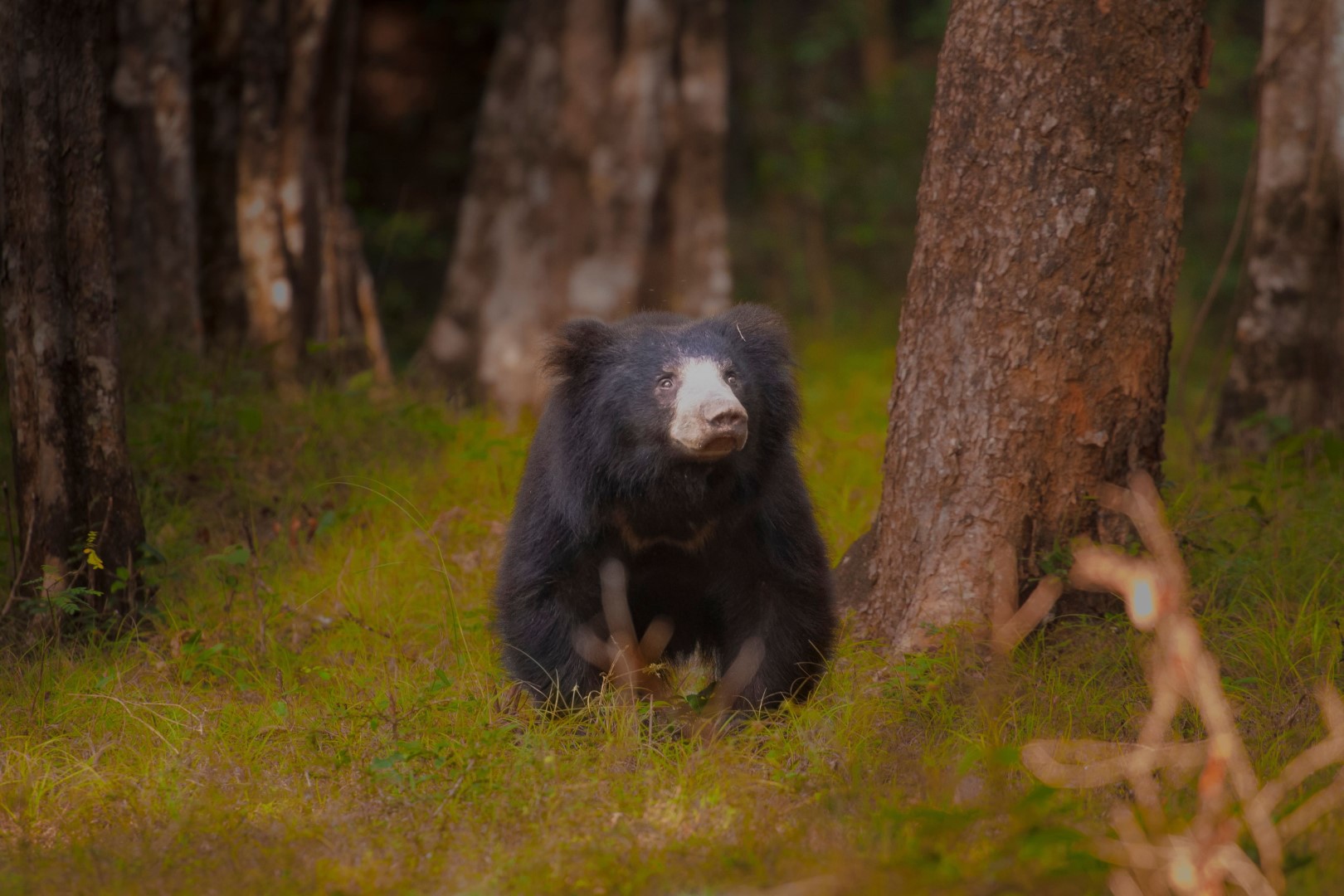
Sri Lanka's largest national park is also its most quietly extraordinary. Wilpattu is defined by its villus - natural, water-filled basins scattered across a forest landscape that has had minimal human disturbance. Leopards are increasingly well-sighted here; sloth bears emerge at dusk from the dense dry forest; Sri Lanka's endemic mugger crocodile inhabits the villus year-round. The experience of a Wilpattu safari is fundamentally different from Yala: fewer vehicles, longer pauses, a deeper sense of immersion in a wild system that is operating entirely on its own terms. For serious wildlife observers, Wilpattu is often the more rewarding of the two.
Minneriya National Park
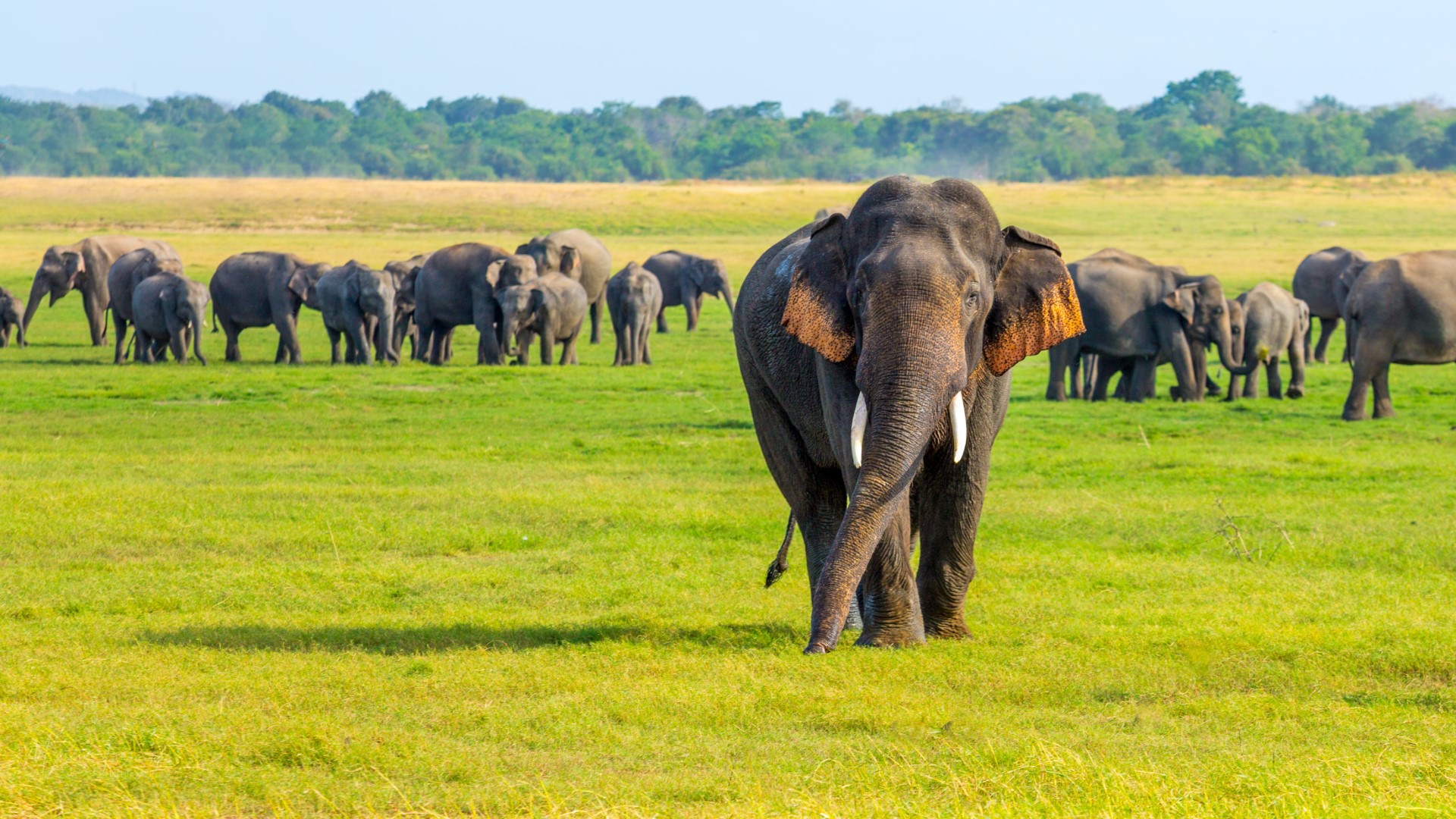
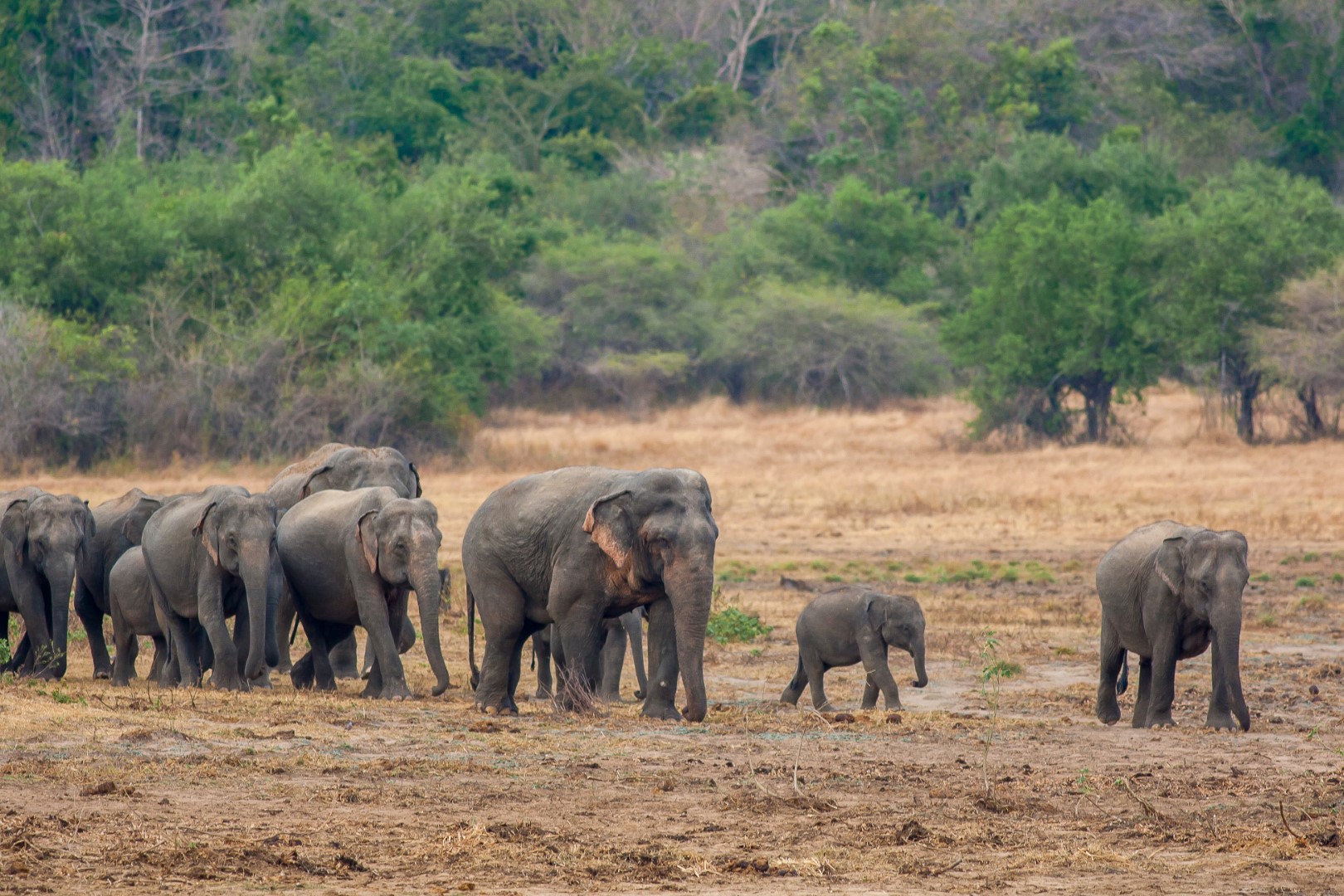
Between July and October, as the water level in the ancient Minneriya Reservoir drops, fresh grass emerges on the exposed lakebed and draws elephants from across the surrounding forest in numbers that produce one of the great wildlife spectacles of Asia. Known as The Gathering, this seasonal congregation regularly brings 200 to 300 elephants to the same waterside location in a single afternoon - families, bachelor herds, and young males all converging on the same ancient water source in a scene that has been repeated across thousands of years. Outside the peak gathering months, Minneriya remains an excellent elephant park with consistent and very accessible sightings from the jeep tracks around the reservoir.
Wasgamuwa National Park
Wasgamuwa is one of Sri Lanka's least-visited national parks, and that relative obscurity is a significant part of its appeal. The park protects a transitional zone between the dry zone lowlands and the hill country foothills, creating habitat for both typical dry zone species and highland forest species in close proximity. Elephant sightings here are frequent and often involve genuinely large herds; the Mahaweli River, which borders the park, attracts crocodiles, otters, and exceptional birdlife. A visit to Wasgamuwa feels less like a organised safari and more like a genuine encounter with a wild place that hasn't been choreographed for tourism.
Sinharaja Forest Reserve
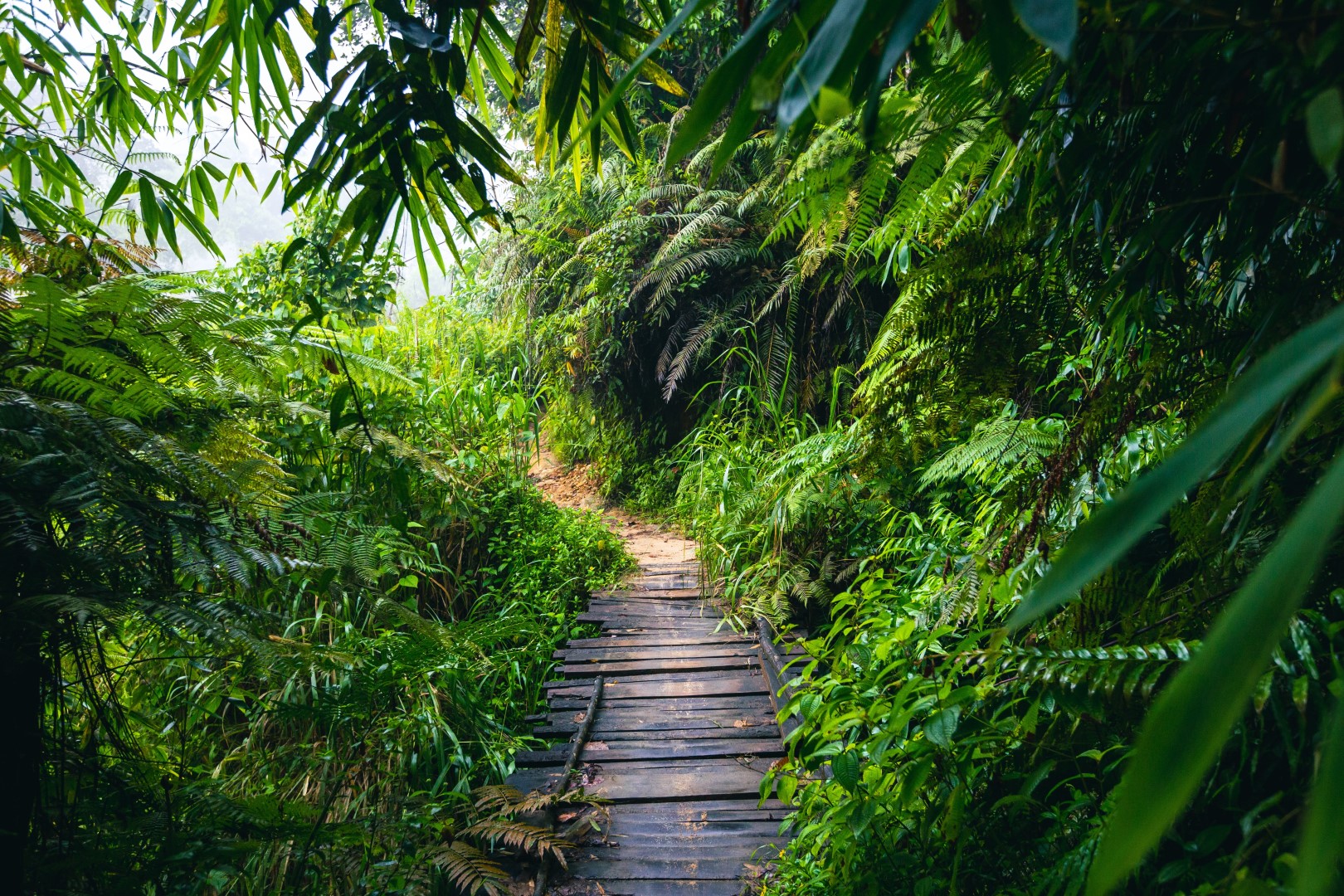
Sinharaja is a UNESCO World Heritage Site and the last remaining substantial tract of primary lowland rainforest in Sri Lanka - a 11,000-hectare sanctuary of biological diversity that supports an extraordinary concentration of endemic species. Of Sri Lanka's 26 endemic bird species, 21 are found in Sinharaja, and the mixed-species flocks that move through the forest canopy throughout the day are one of the great birdwatching experiences in South Asia. The forest floor is dense with endemic flora, medicinal plants, and insect life. A guided morning walk through Sinharaja with a specialist naturalist is transformative - a reminder of what the island's interior looked like before so much of it was converted to plantation.
Nuwara Eliya
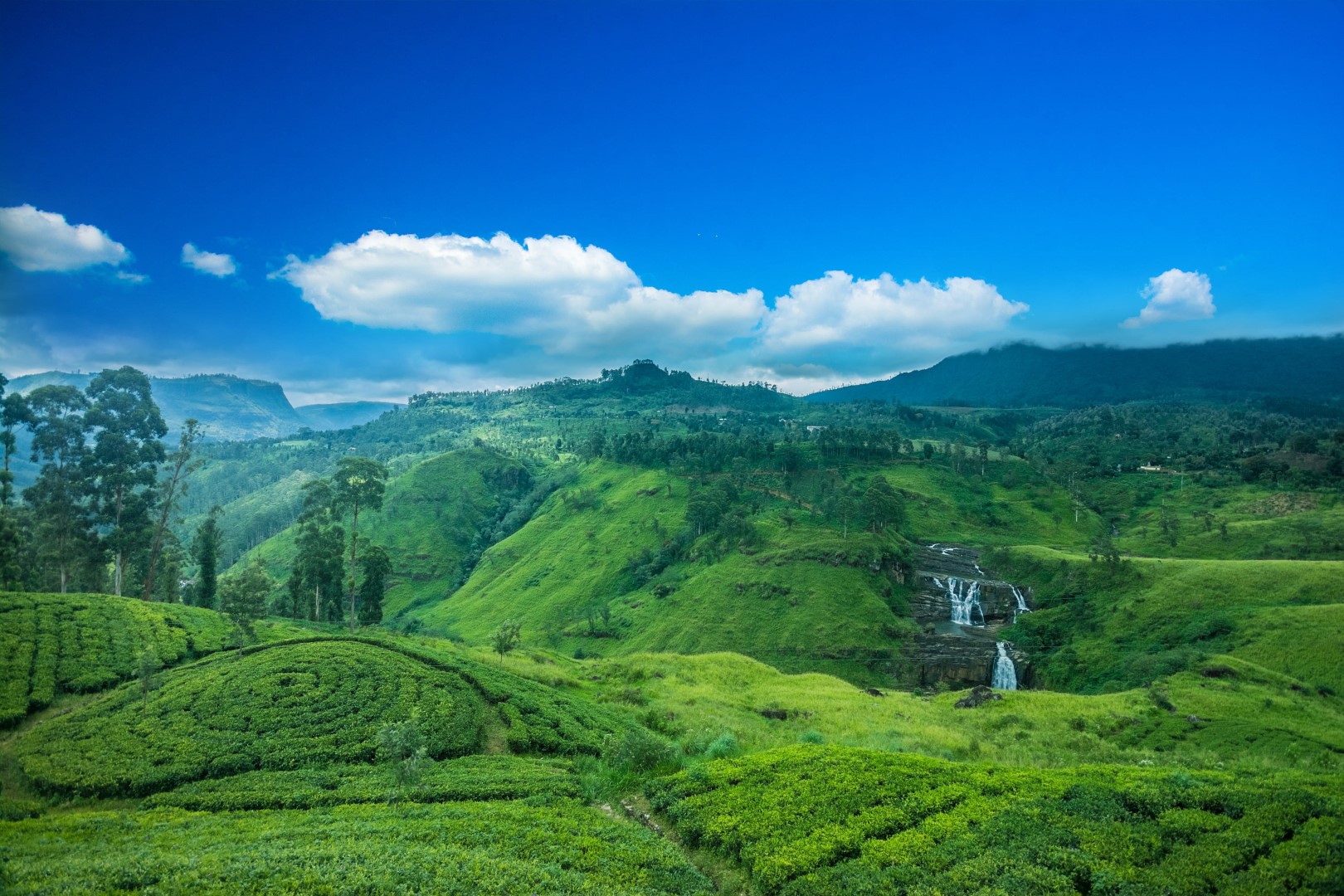
The British built Nuwara Eliya as a hill station retreat from the coast's heat, and the town they left behind - Tudor-style guesthouses, a golf course, a racecourse, rose gardens, and a post office that still looks like something from a 1940s English market town - is the most unexpected place in Sri Lanka. The surrounding landscape is the real draw: rolling tea estates stretching in every direction, waterfalls catching morning light on the mountain roads, and cool air that makes every other Sri Lankan town feel subtropical by comparison. A visit to a working tea factory here - from fresh leaf to finished cup, explained by people who have spent their lives in the industry - is one of the most genuinely illuminating experiences the island offers.
Kitulgala
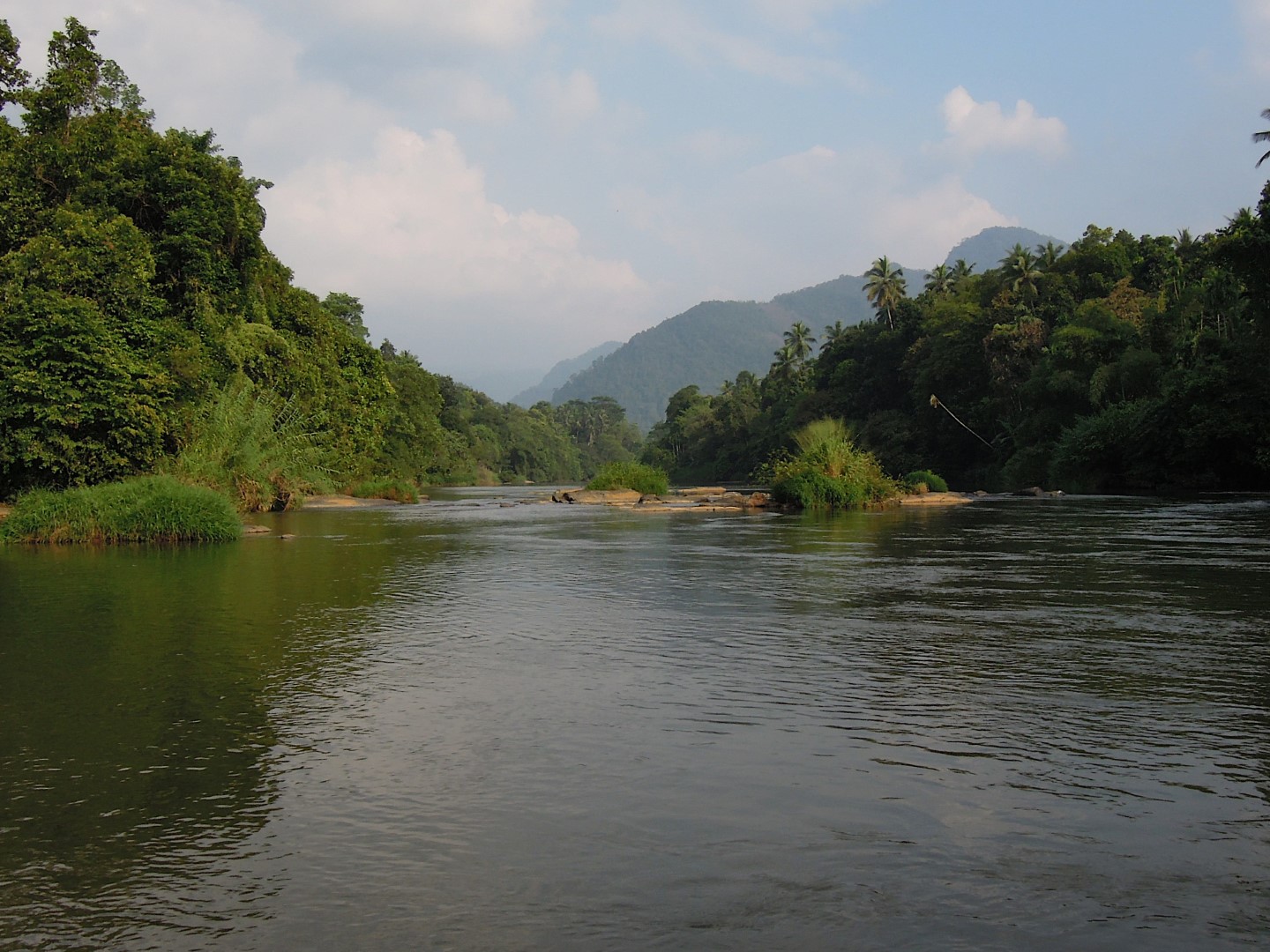
Kitulgala sits beside the Kelani River in the wet zone foothills - a lush, forested landscape of intense green that looks and feels completely different from the drier regions of the hill country. The river here provides some of the best white water rafting conditions in Sri Lanka, with grade 3 and 4 rapids through dense tropical forest. The same forest was the location for the filming of The Bridge on the River Kwai, and the surrounding trails offer excellent birdwatching and jungle trekking for those who prefer their adventure at a quieter pace. Kitulgala is a one-night destination that punches well above its size.
Kalpitiya
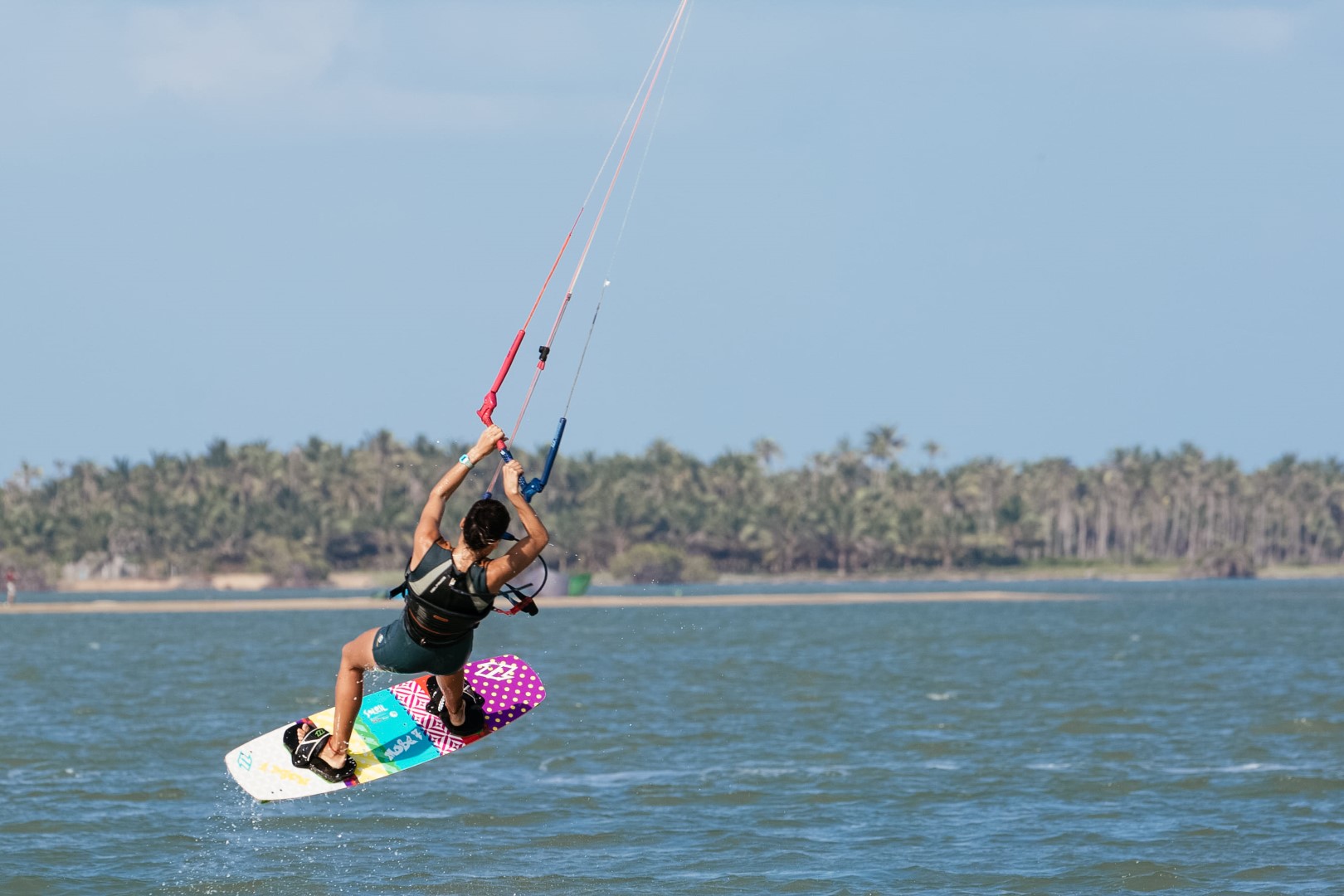
On Sri Lanka's northwest coast, the Kalpitiya Peninsula extends into the Puttalam Lagoon - a vast, shallow body of water protected from the open sea by a chain of barrier islands that creates extraordinary conditions for both wildlife and water sports. From May to September, spinner dolphin pods of 1,000 to 2,000 individuals pass through the offshore waters in what are among the largest dolphin aggregations recorded in the Indian Ocean. The lagoon itself is one of Asia's premier kite surfing destinations - flat water, consistent wind, and enough space to never feel crowded. Mangrove boat safaris through the lagoon reveal flamingos, crocodiles, and rare coastal birds in a landscape that feels remote even by Sri Lankan standards.
Ella
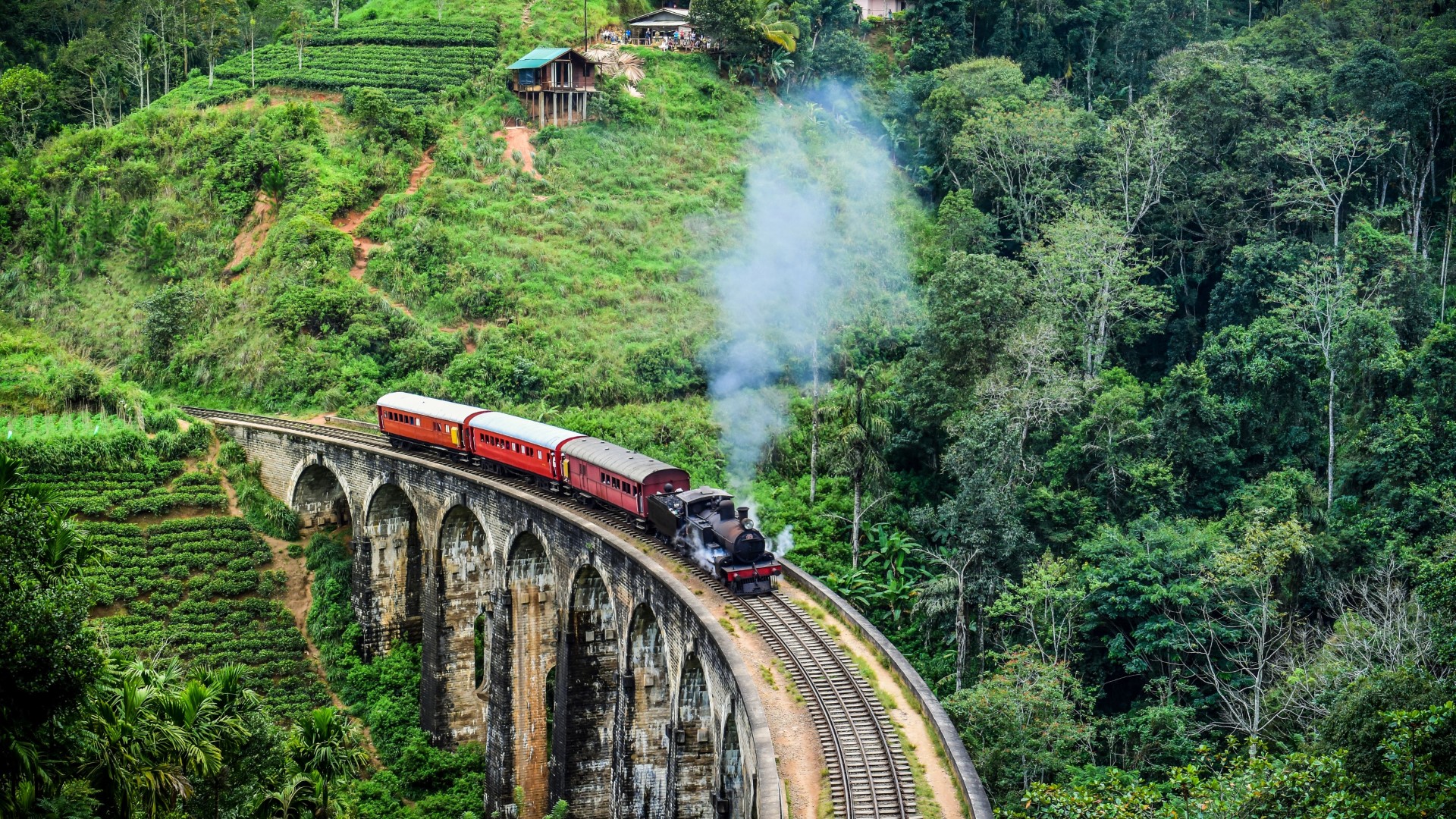
Ella is small, perched, and completely itself - a hill town that has developed a strong independent character built around its extraordinary natural setting. The Ella Gap, a break in the ridge through which mist rolls in each afternoon, frames a view that extends 50 kilometres to the southern coast on a clear morning. The Nine Arch Bridge, a colonial-era railway viaduct rising from dense jungle, is best visited when a train crosses it - an image of such improbable beauty that it has become one of Sri Lanka's most recognised photographs. Little Adam's Peak, a 45-minute hike from town, delivers panoramic views with minimal exertion. Ella rewards slow visitors most: those who stay two nights rather than one discover a rhythm here that is genuinely restorative.
Horton Plains
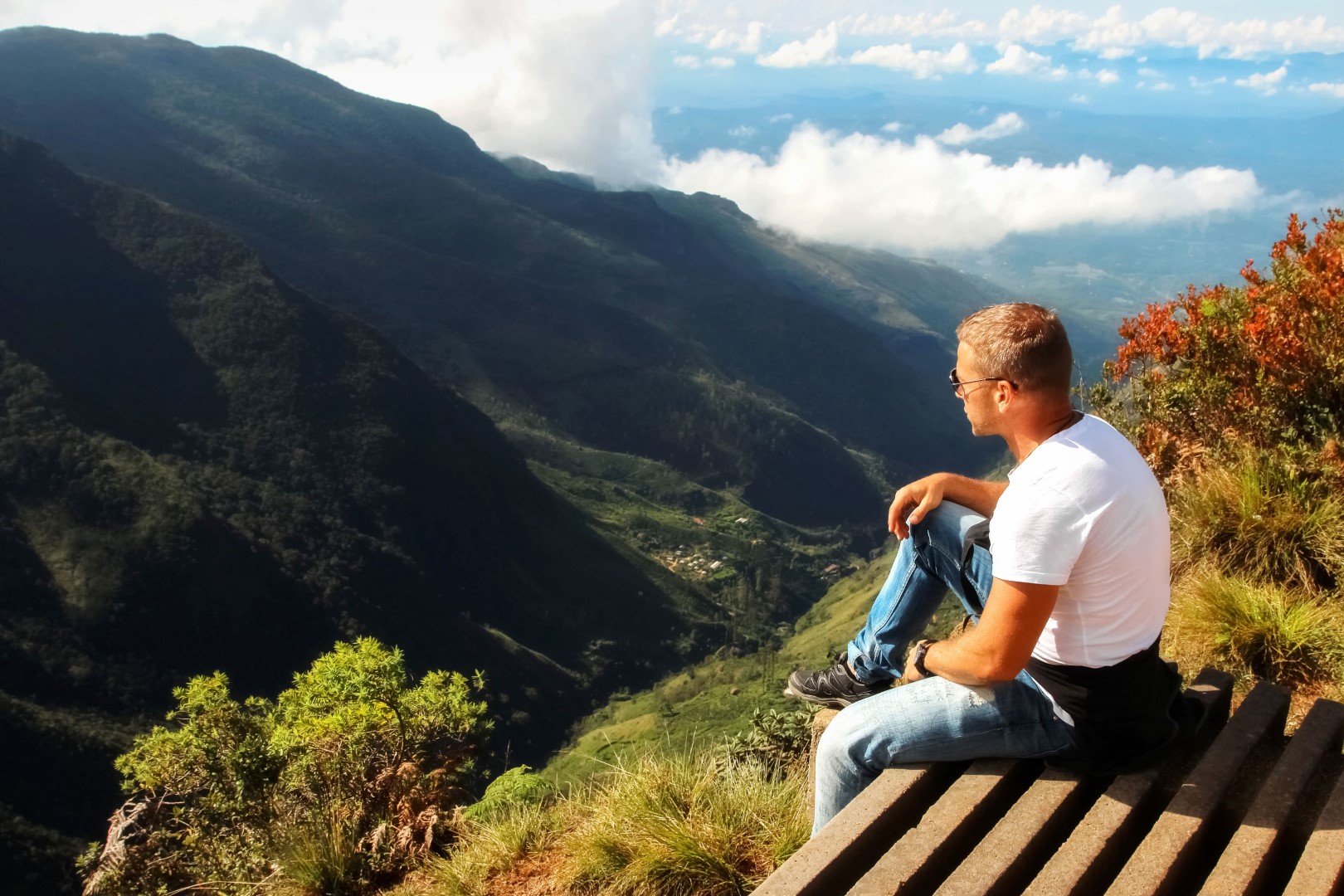
At an elevation of 2,100 to 2,300 metres, Horton Plains National Park is the highest protected area in Sri Lanka and one of its most ecologically distinct. The landscape here is montane grassland punctuated by cloud forest patches, streams, and the extraordinary geological formation of World's End - a sheer escarpment that drops 870 metres in a near-vertical face to the lowland plains below. On a clear morning, the view from World's End extends to the southern coast. Baker's Falls, reached along the same circular trail, cascades through a densely forested gorge that feels worlds away from the open plateau above. The park is home to several species found nowhere else on earth, including the Sri Lanka leopard and the Bear Monkey (purple-faced langur).
Knuckles Mountain Range
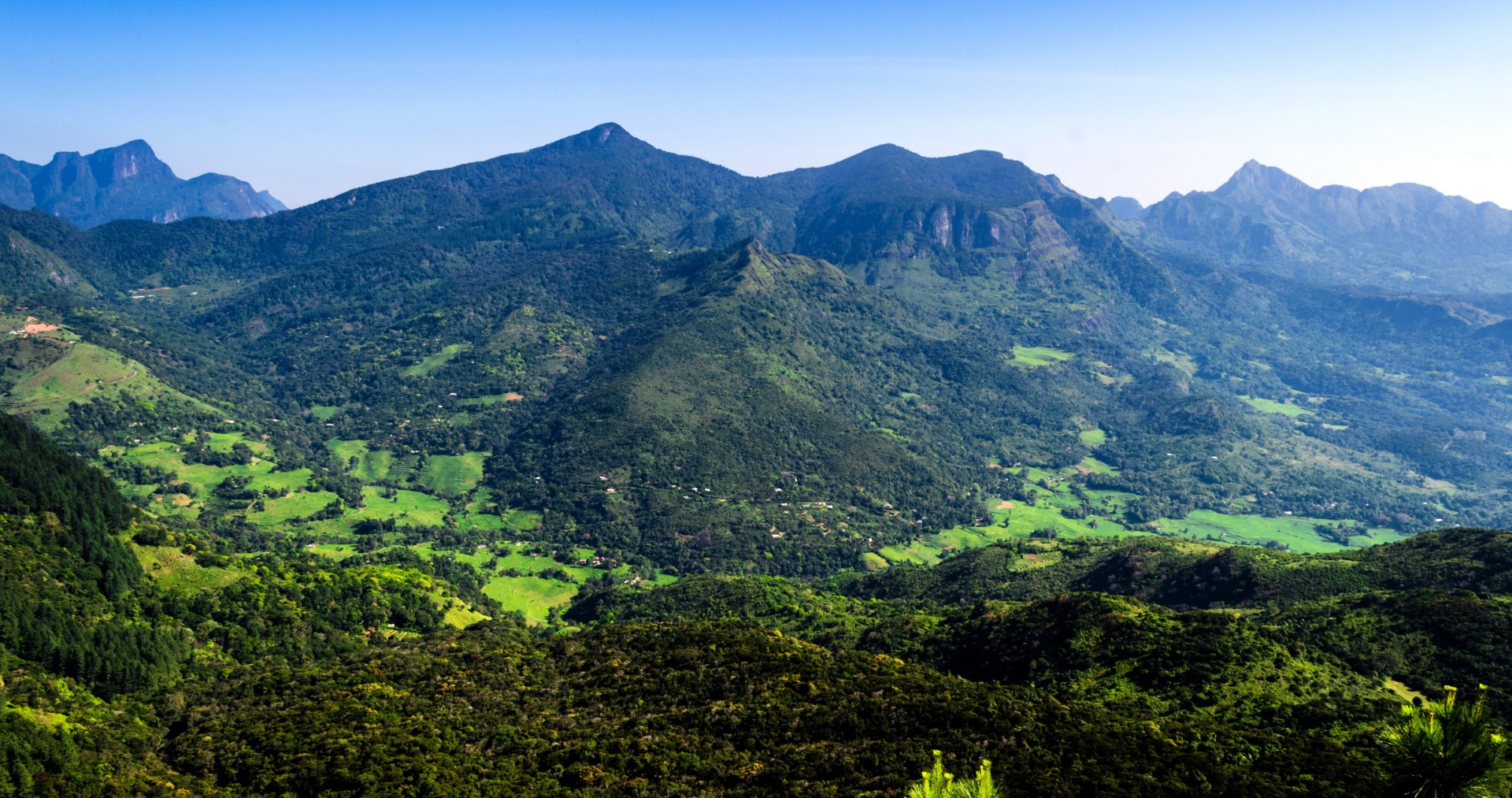
The Knuckles - named for the resemblance of their ridgeline to a clenched fist when seen from the Kandy valley - is Sri Lanka's most genuinely wild trekking destination. The range covers 175 square kilometres of cloud forest, waterfalls, remote villages, and high ridges with views across both the hill country and the eastern dry zone below. Biodiversity here rivals Sinharaja: endemic birds, reptiles, and amphibians in concentrations that make the Knuckles one of Sri Lanka's most important and least-disrupted natural areas. Guided multi-day treks through the range pass through hamlets where traditional mountain agriculture - terraced paddy, cardamom, coffee - continues essentially unchanged from a century ago.
Nuwara Eliya
Nuwara Eliya's tea industry sits at the intersection of ecology, agriculture, and heritage in a way that makes it one of Sri Lanka's most compelling eco-tourism destinations. The best tea estates in the region are run with a commitment to soil health, biodiversity corridors, and fair labour practices that demonstrate what responsible plantation management looks like in practice. Several estates welcome visitors to participate in tea plucking, watch the withering and rolling process, and understand the relationship between elevation, climate, and flavour that makes Ceylon tea's high-grown varieties unique. The surrounding forest patches support an impressive range of endemic species for a landscape that has been cultivated for 150 years.
Udawalawe National Park
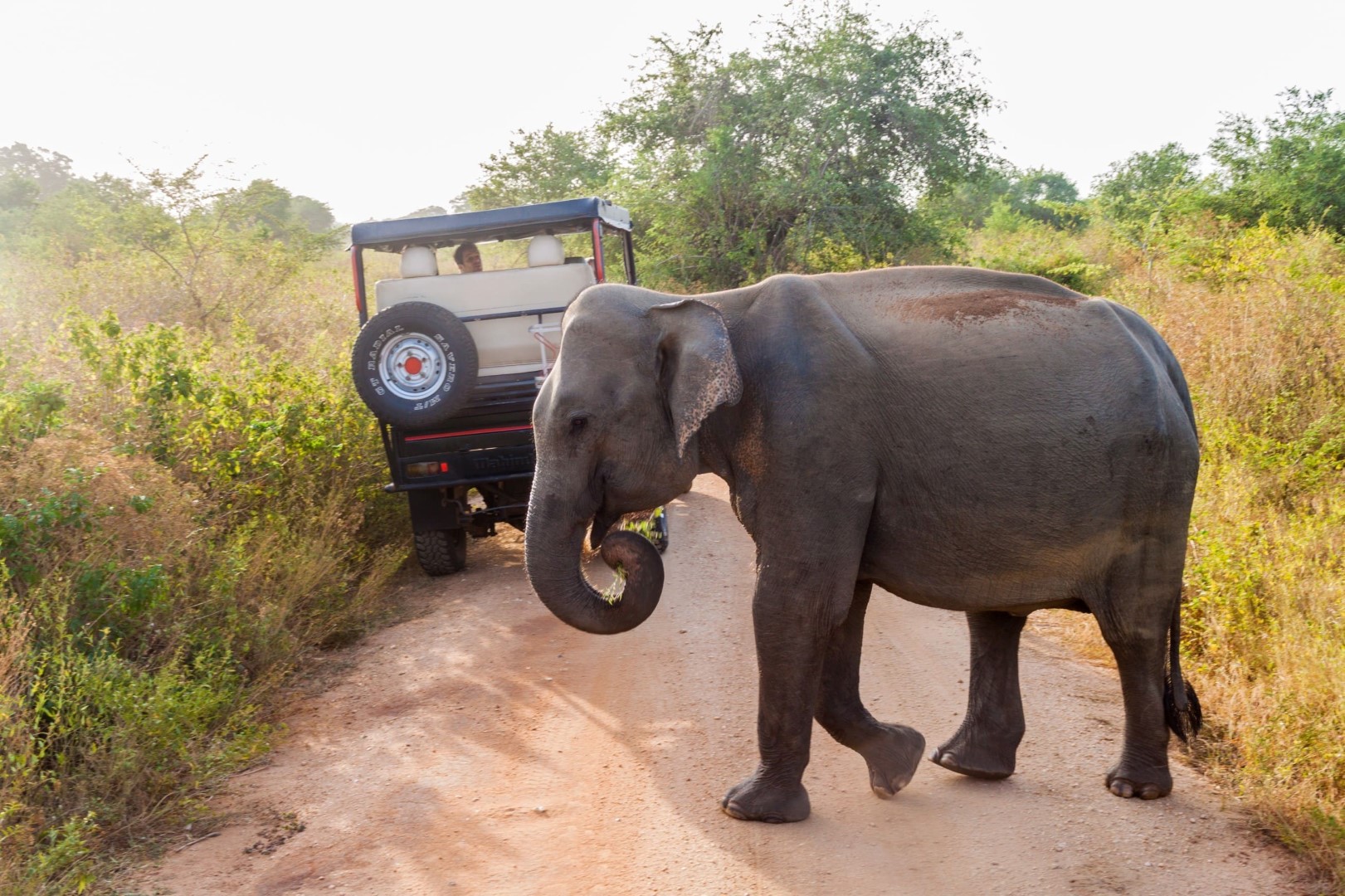
Udawalawe was created specifically to protect the watershed of the Udawalawe Reservoir - a practical conservation decision that produced one of Sri Lanka's most ecologically successful national parks. The open grassland habitat that surrounds the reservoir supports Sri Lanka's highest density of Asian elephants, and the Elephant Transit Home at the park's edge is one of the world's most effective wild elephant rehabilitation programmes - rescuing, treating, and releasing orphaned calves back into the wild without habituating them to human contact. A visit to the morning feeding session at the Transit Home, combined with an afternoon safari in the park itself, creates a complete elephant experience that is both deeply educational and genuinely moving.
Ritigala Forest Monastery
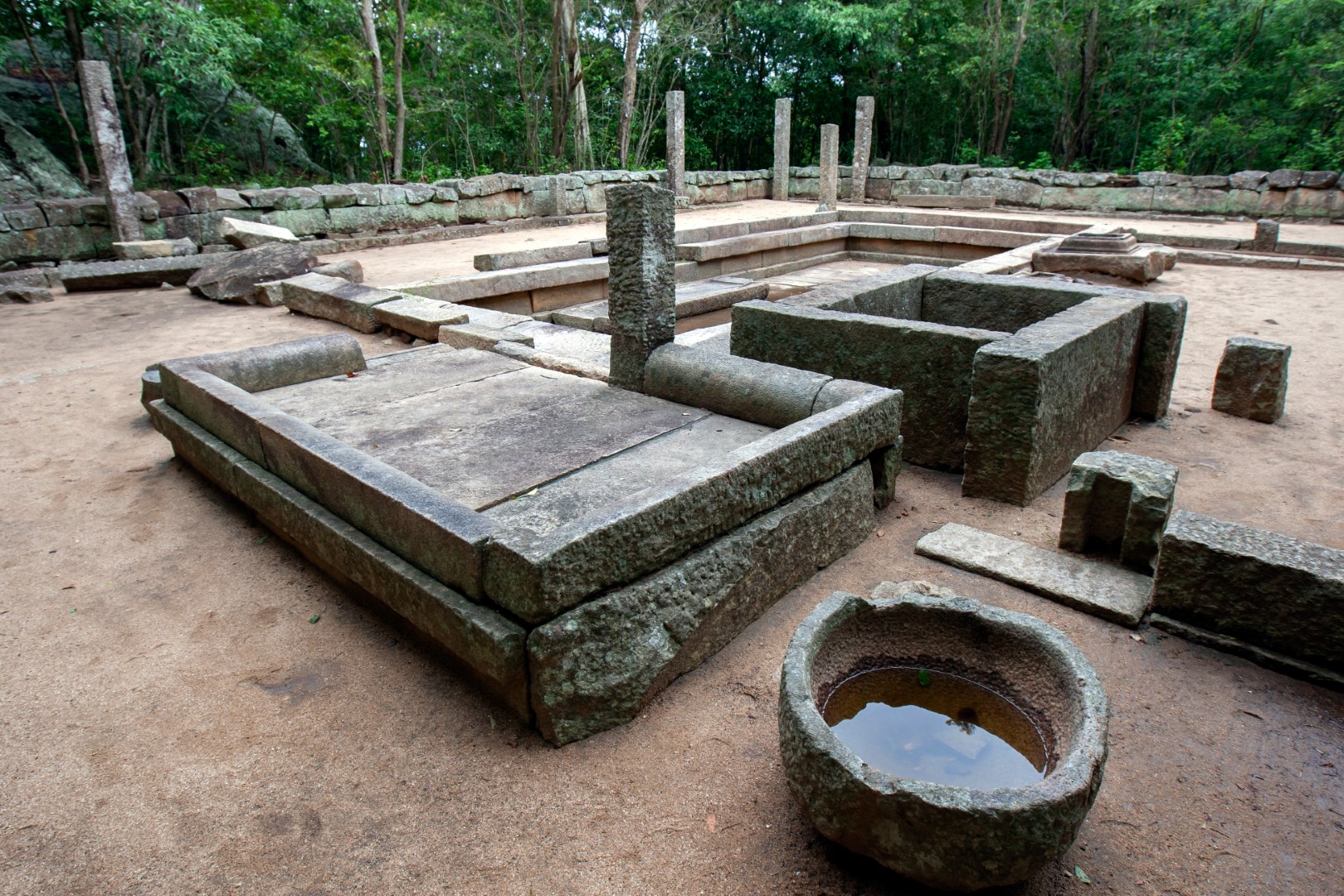
Ritigala is one of Sri Lanka's most extraordinary and least visited destinations - a ruined forest monastery complex hidden within a strictly protected nature reserve whose isolation has preserved both its ecology and its atmosphere. The site dates from the 1st century BCE and extends across a mountain whose forest has never been cleared for agriculture - creating a biodiversity corridor of exceptional quality and a built environment of unusual sophistication, featuring precisely engineered stone platforms and pathways designed to connect meditation spaces across the mountain slope. Walking through Ritigala with a specialist guide is an experience that combines archaeology, ecology, and an almost palpable sense of ancient stillness in a way that few places on the island can match.
Madhu River
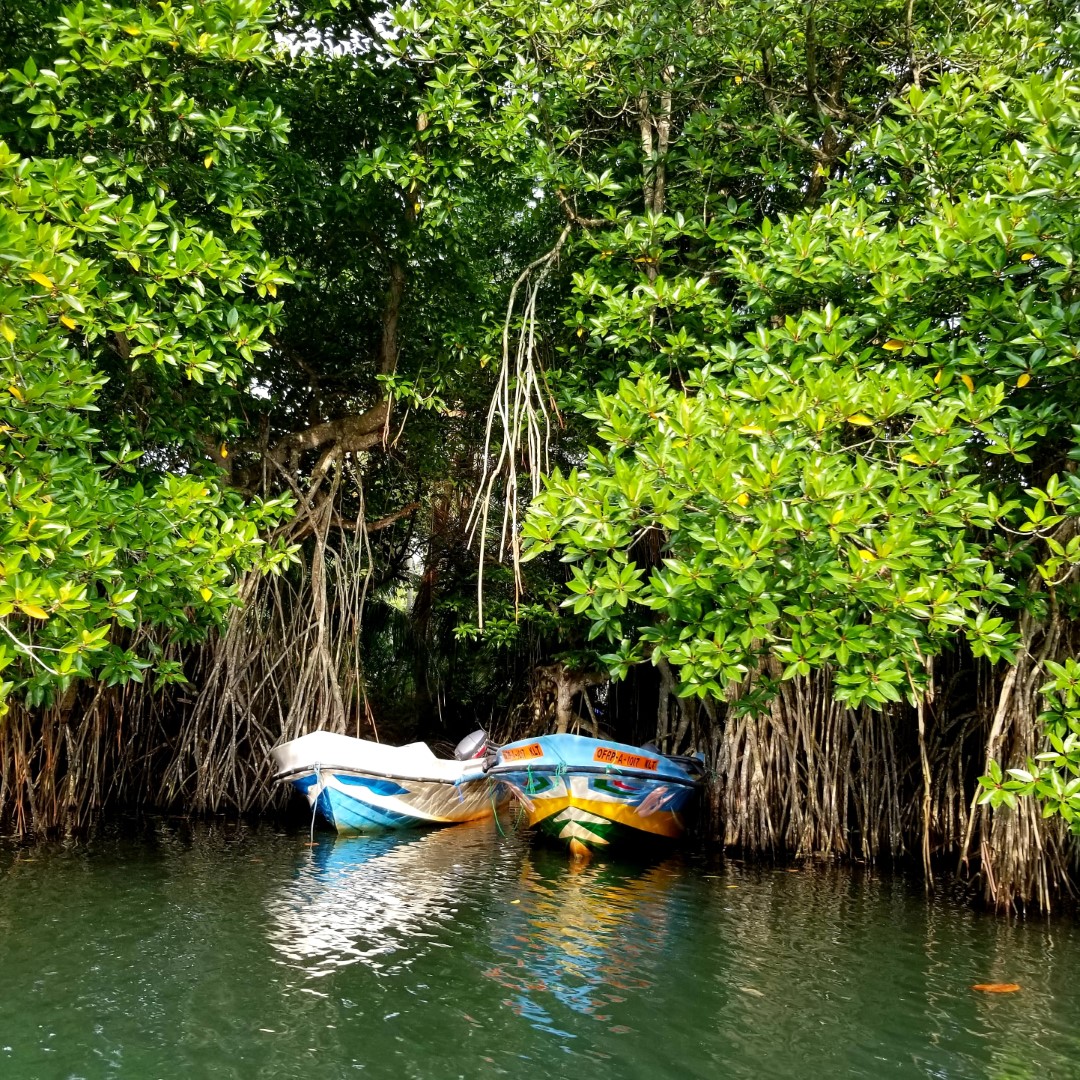
The Madhu River mangrove system - part of the larger Madu Ganga wetland - is one of Sri Lanka's most ecologically important and visually beautiful inland waterways. Navigated by boat through channels overhung with dense mangrove canopy, the Madu Ganga contains 64 islands of varying size, each supporting its own micro-ecosystem of birds, reptiles, and endemic plants. Cinnamon plantations occupy some islands; Buddhist temples occupy others; traditional fishing communities work the water throughout. The mangrove root system filters water, stabilises the coastline, and supports the fisheries that feed the surrounding communities - a living demonstration of why wetland conservation matters in concrete, visible terms.
Hiriketiya
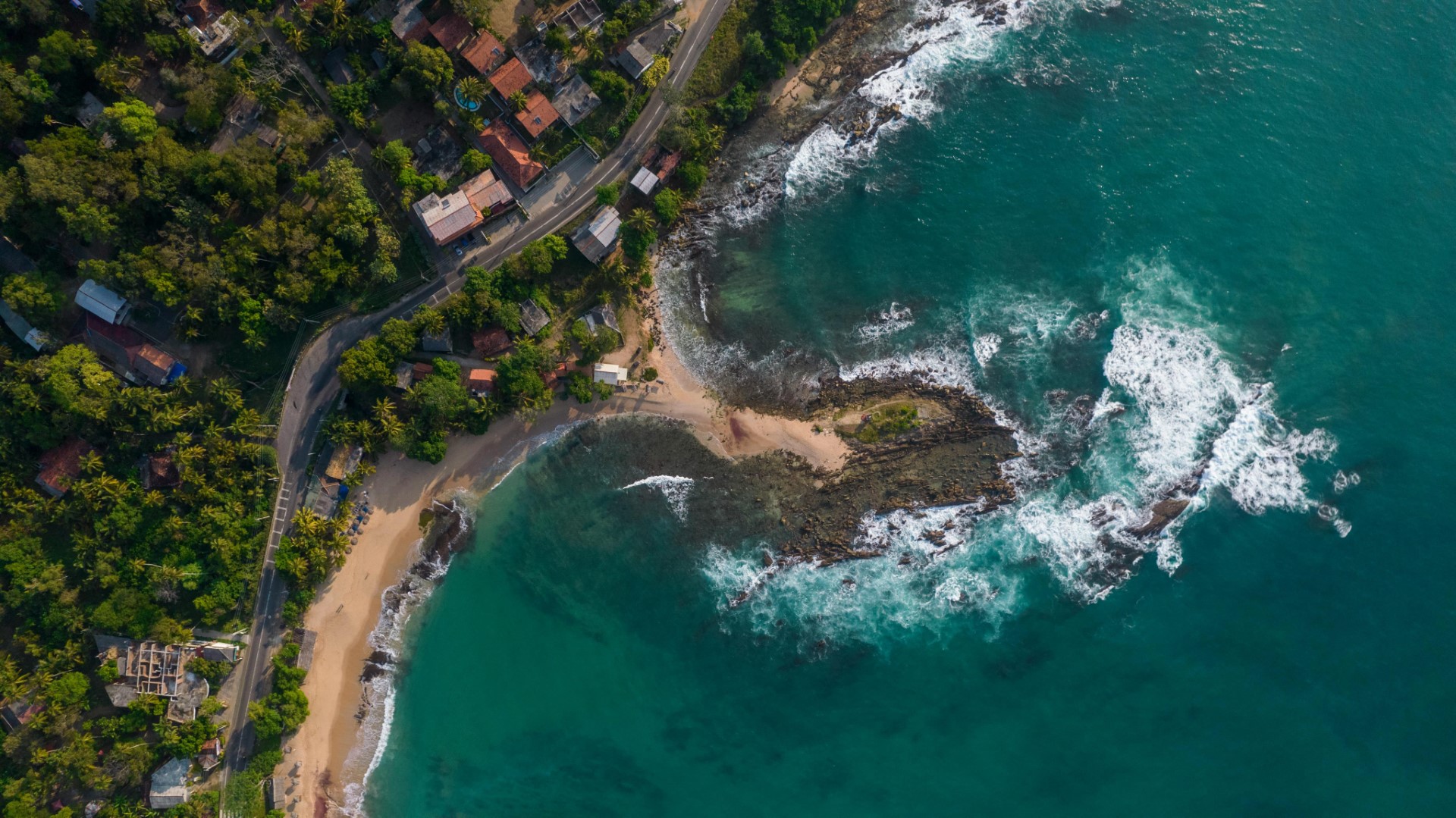
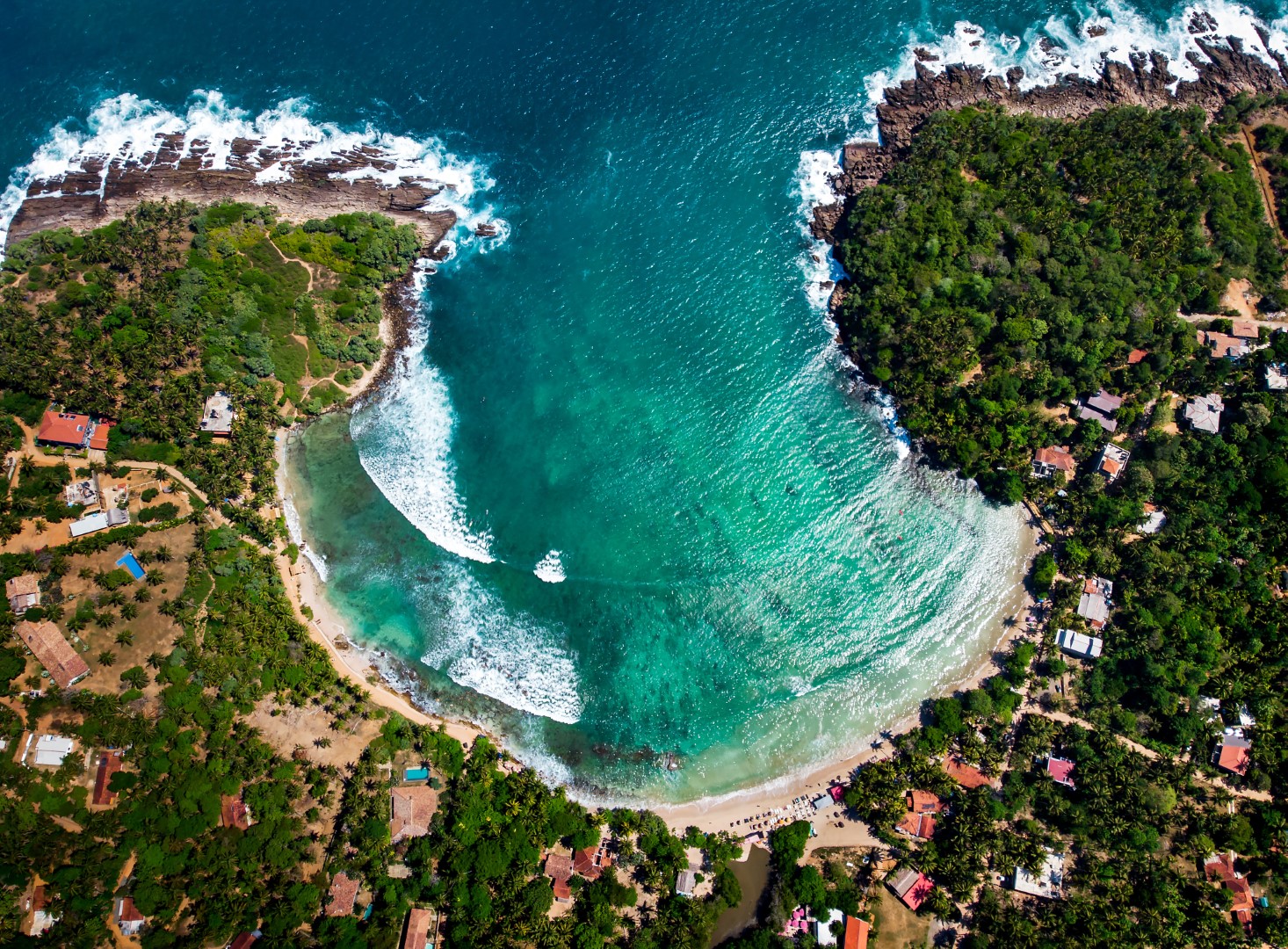
Hiriketiya is a small horseshoe-shaped bay on Sri Lanka's south coast that has developed a reputation as the island's most ecologically conscious beach community. The resident surf population here has organised itself around environmental stewardship: regular beach and reef cleanups, partnerships with marine conservation programmes, and a deliberate limit on the scale of accommodation and commercial development that has kept the bay small, quiet, and genuinely beautiful. Bodyboarding and boogie boarding are popular alongside surfing on the bay's gentle right-hander, and the reef below the surface is maintained in better condition than most of Sri Lanka's more heavily visited coastal sites.