WhatsApp
Sri Lanka's most ecologically significant destinations are also some of its most rewarding. These are places where the experience is inseparable from the environment that produces it - where staying in an eco-lodge beside a forest reserve, meeting the naturalist who has spent thirty years learning its bird calls, or participating in a community-run initiative is not an optional add-on but the whole point of being there.
Nuwara Eliya
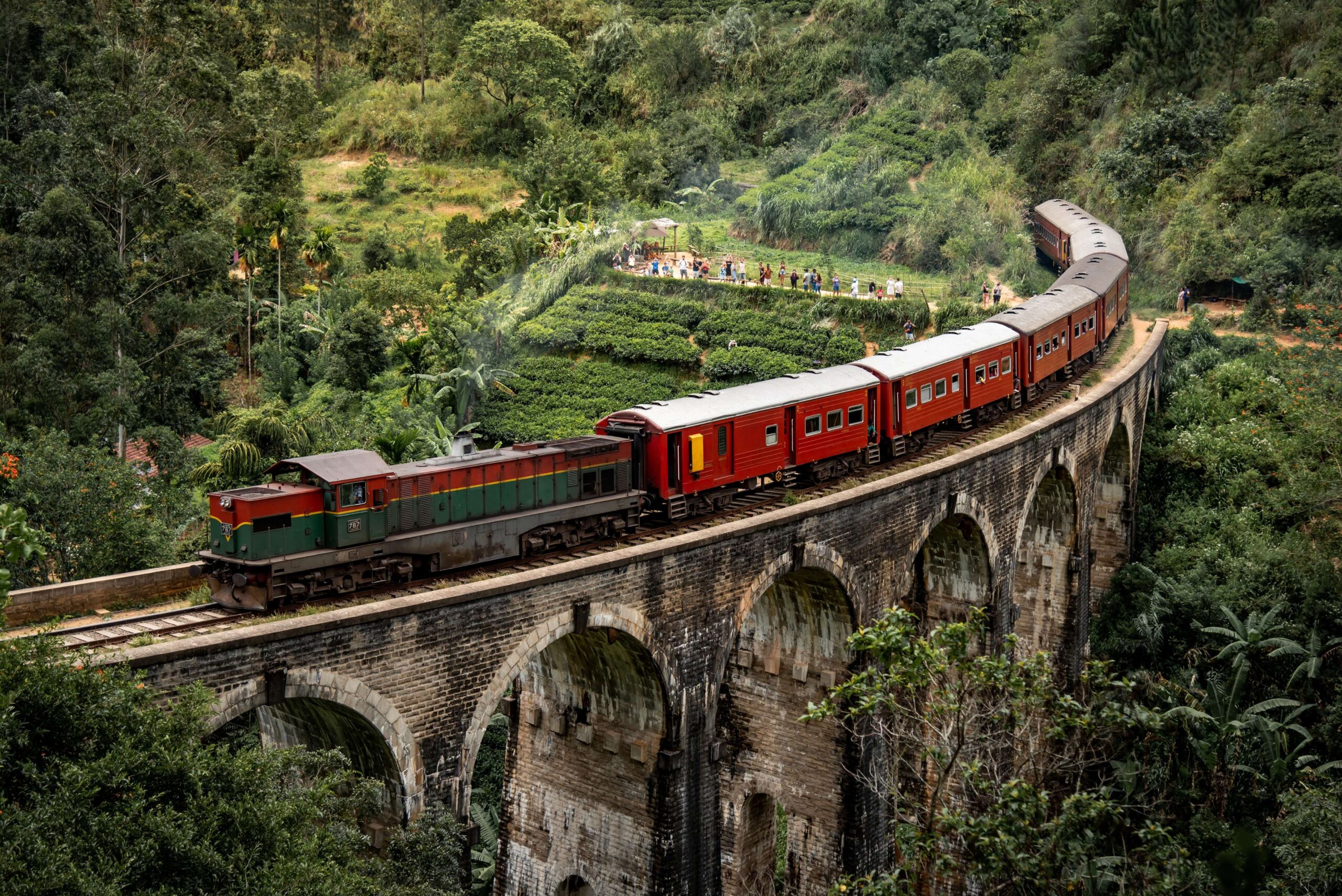
Nuwara Eliya's tea industry sits at the intersection of ecology, agriculture, and heritage in a way that makes it one of Sri Lanka's most compelling eco-tourism destinations. The best tea estates in the region are run with a commitment to soil health, biodiversity corridors, and fair labour practices that demonstrate what responsible plantation management looks like in practice. Several estates welcome visitors to participate in tea plucking, watch the withering and rolling process, and understand the relationship between elevation, climate, and flavour that makes Ceylon tea's high-grown varieties unique. The surrounding forest patches support an impressive range of endemic species for a landscape that has been cultivated for 150 years.

Udawalawe National Park
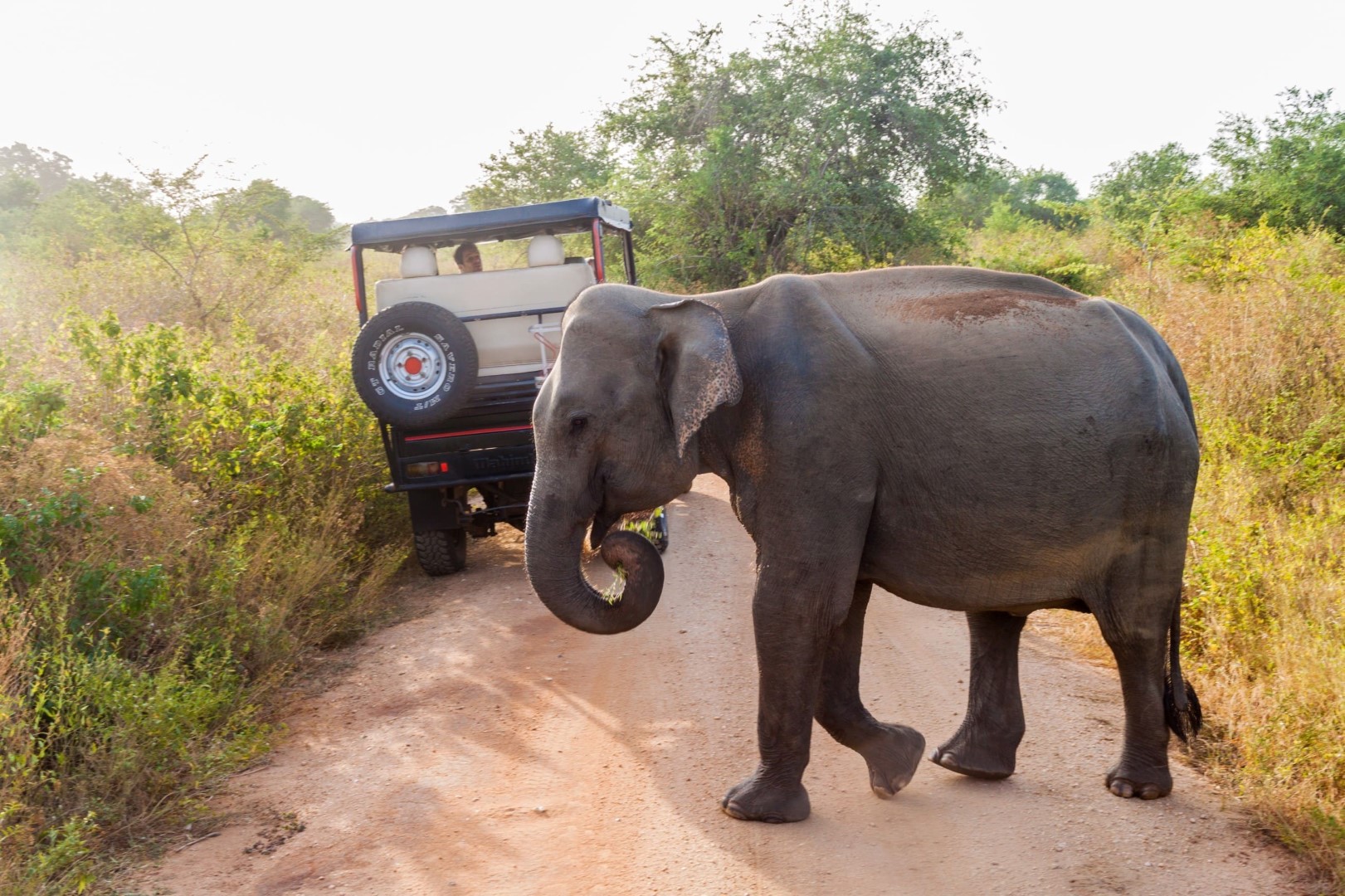
Udawalawe was created specifically to protect the watershed of the Udawalawe Reservoir - a practical conservation decision that produced one of Sri Lanka's most ecologically successful national parks. The open grassland habitat that surrounds the reservoir supports Sri Lanka's highest density of Asian elephants, and the Elephant Transit Home at the park's edge is one of the world's most effective wild elephant rehabilitation programmes - rescuing, treating, and releasing orphaned calves back into the wild without habituating them to human contact. A visit to the morning feeding session at the Transit Home, combined with an afternoon safari in the park itself, creates a complete elephant experience that is both deeply educational and genuinely moving.
Ritigala Forest Monastery
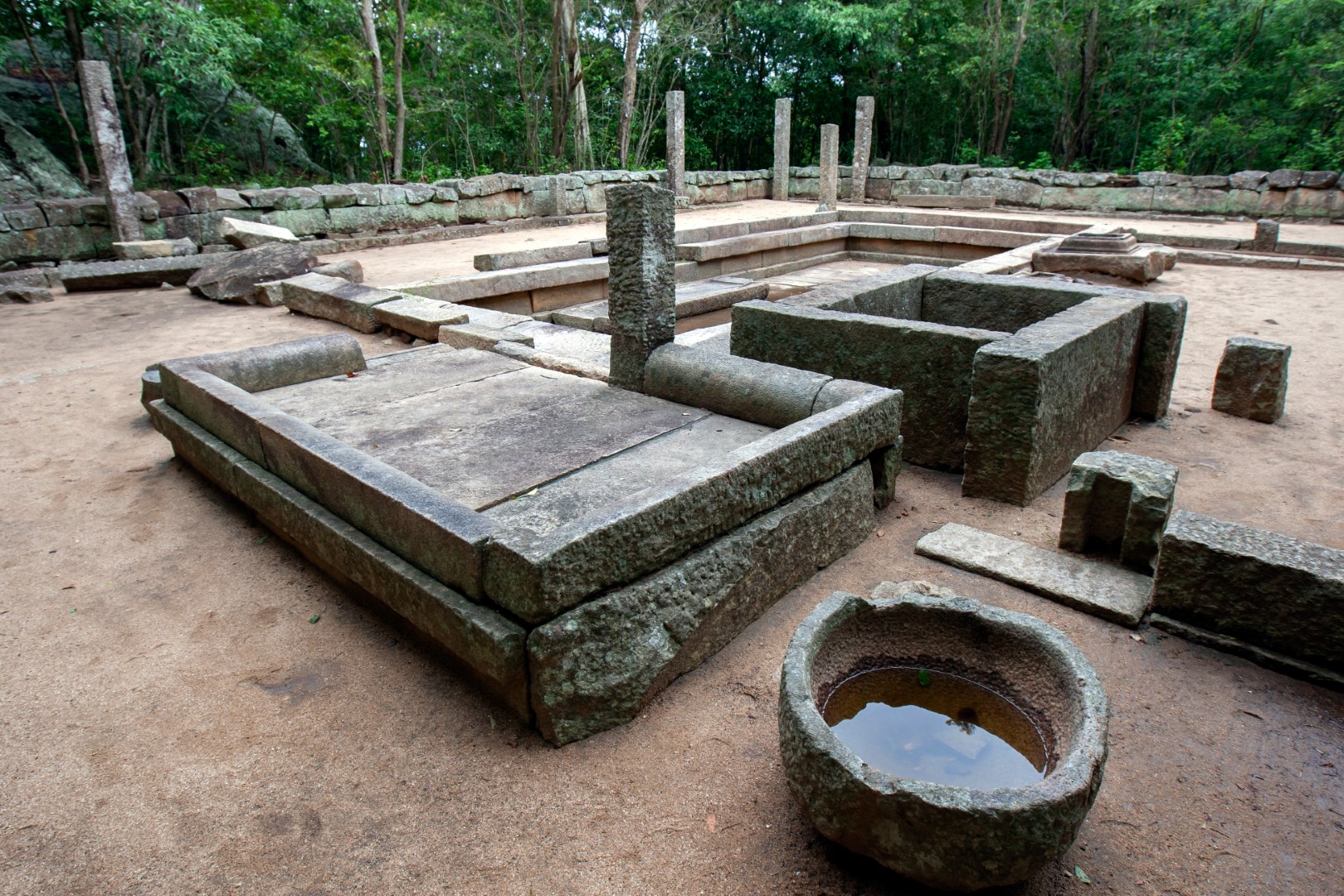
Ritigala is one of Sri Lanka's most extraordinary and least visited destinations - a ruined forest monastery complex hidden within a strictly protected nature reserve whose isolation has preserved both its ecology and its atmosphere. The site dates from the 1st century BCE and extends across a mountain whose forest has never been cleared for agriculture - creating a biodiversity corridor of exceptional quality and a built environment of unusual sophistication, featuring precisely engineered stone platforms and pathways designed to connect meditation spaces across the mountain slope. Walking through Ritigala with a specialist guide is an experience that combines archaeology, ecology, and an almost palpable sense of ancient stillness in a way that few places on the island can match.
Madhu River
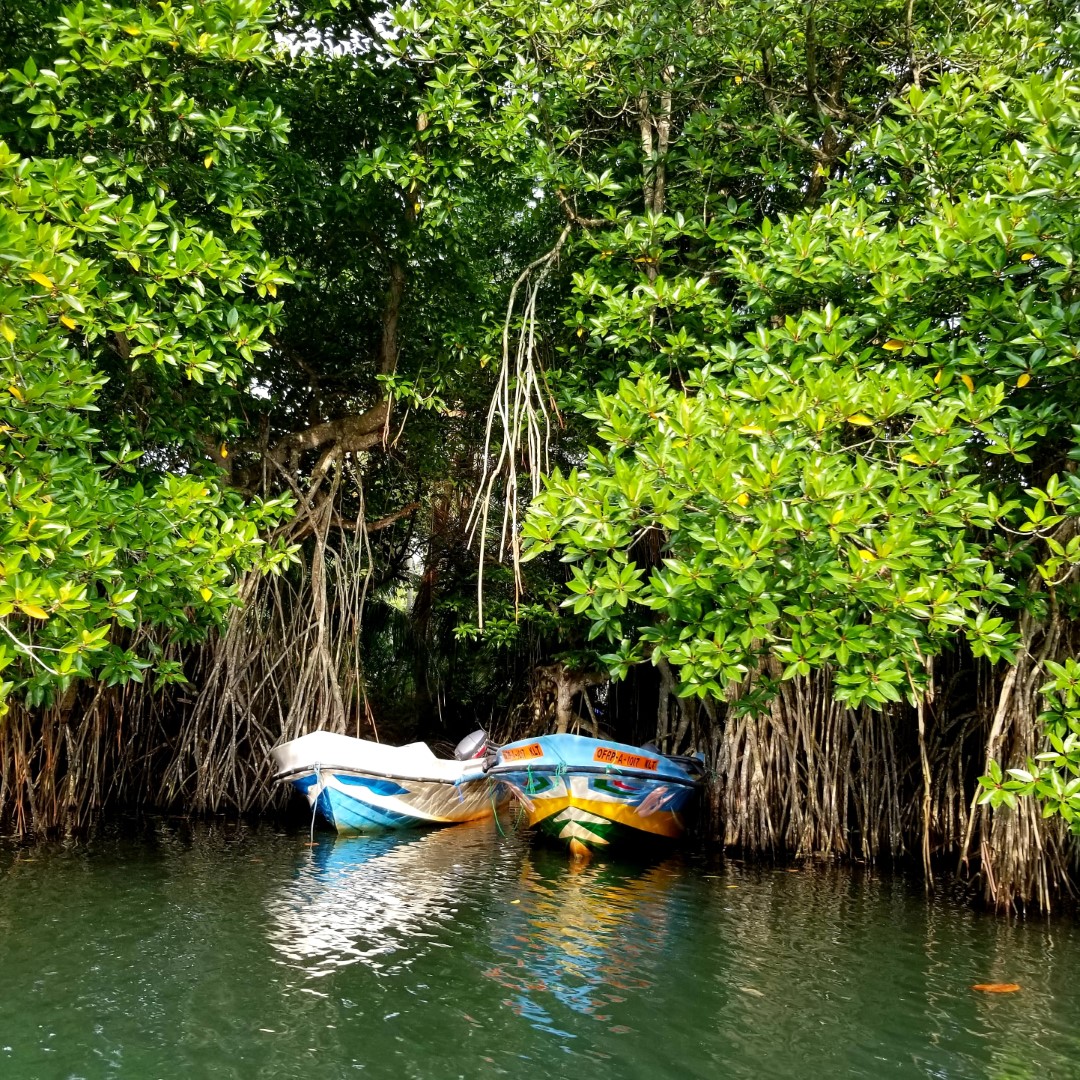
The Madhu River mangrove system - part of the larger Madu Ganga wetland - is one of Sri Lanka's most ecologically important and visually beautiful inland waterways. Navigated by boat through channels overhung with dense mangrove canopy, the Madu Ganga contains 64 islands of varying size, each supporting its own micro-ecosystem of birds, reptiles, and endemic plants. Cinnamon plantations occupy some islands; Buddhist temples occupy others; traditional fishing communities work the water throughout. The mangrove root system filters water, stabilises the coastline, and supports the fisheries that feed the surrounding communities - a living demonstration of why wetland conservation matters in concrete, visible terms.
Hiriketiya
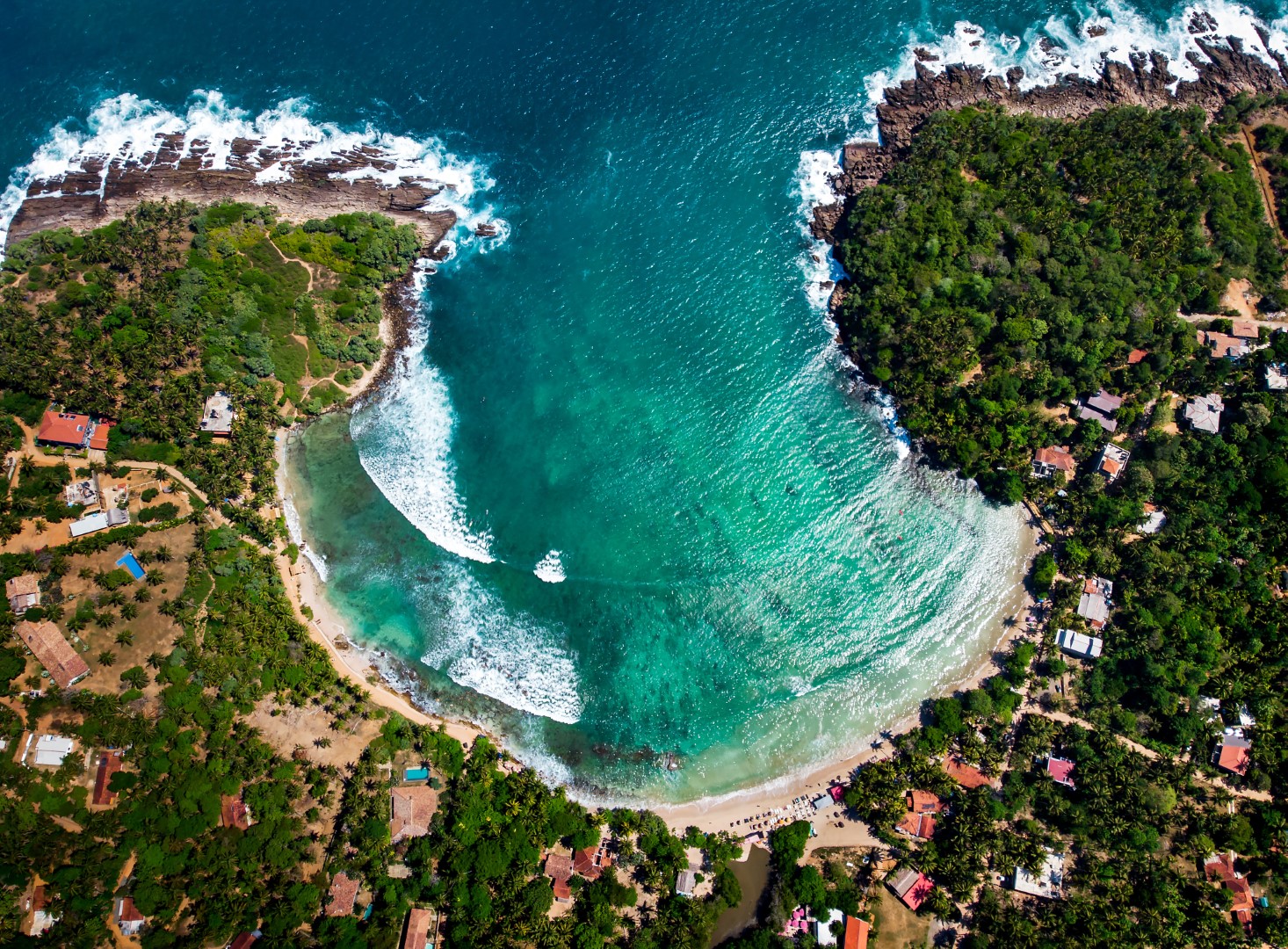
Hiriketiya is a small horseshoe-shaped bay on Sri Lanka's south coast that has developed a reputation as the island's most ecologically conscious beach community. The resident surf population here has organised itself around environmental stewardship: regular beach and reef cleanups, partnerships with marine conservation programmes, and a deliberate limit on the scale of accommodation and commercial development that has kept the bay small, quiet, and genuinely beautiful. Bodyboarding and boogie boarding are popular alongside surfing on the bay's gentle right-hander, and the reef below the surface is maintained in better condition than most of Sri Lanka's more heavily visited coastal sites.