WhatsApp
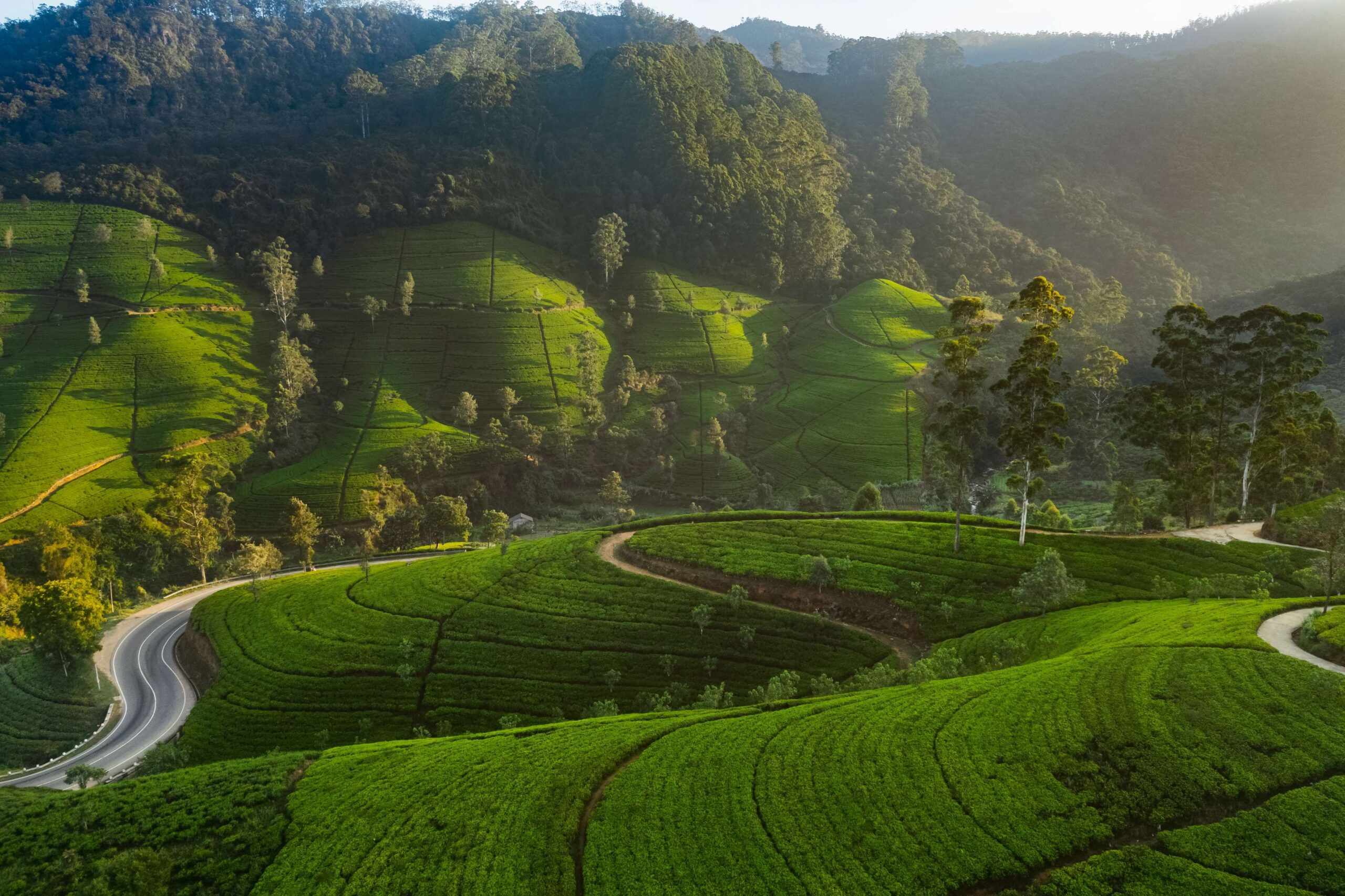
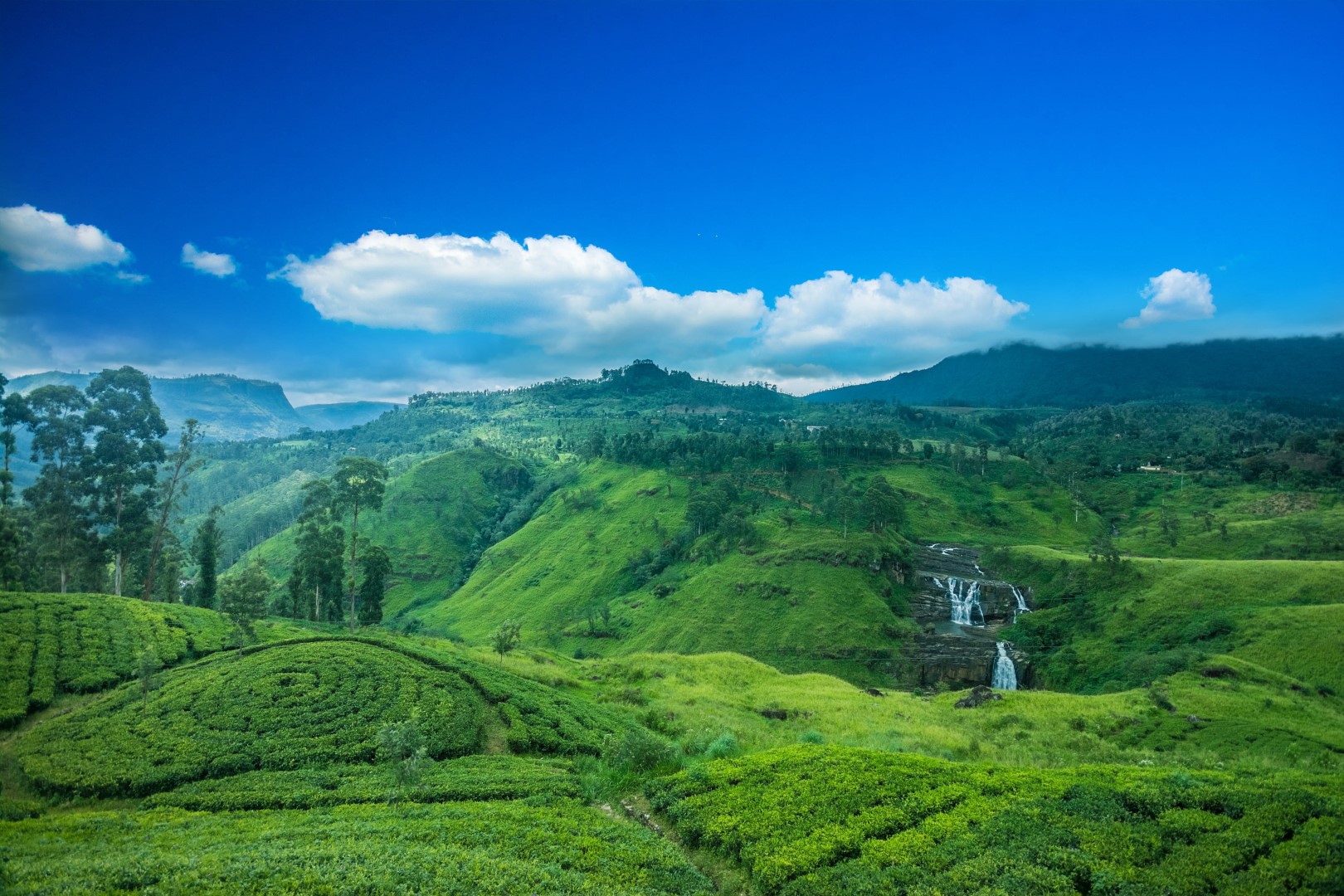
Sri Lanka's hill country is the interior of the island at its most dramatic - a landscape of sharp peaks, deep valleys, plunging waterfalls, and ancient tea estates whose green geometry covers every hillside in neat, luminous rows. The air here is cool, the light different, the pace slower. Adventure in the hills is not the adrenaline-focused variety but something more enduring: long walks through cloud forest, river crossings, hikes to viewpoints where the whole island seems to spread below you.

Ella
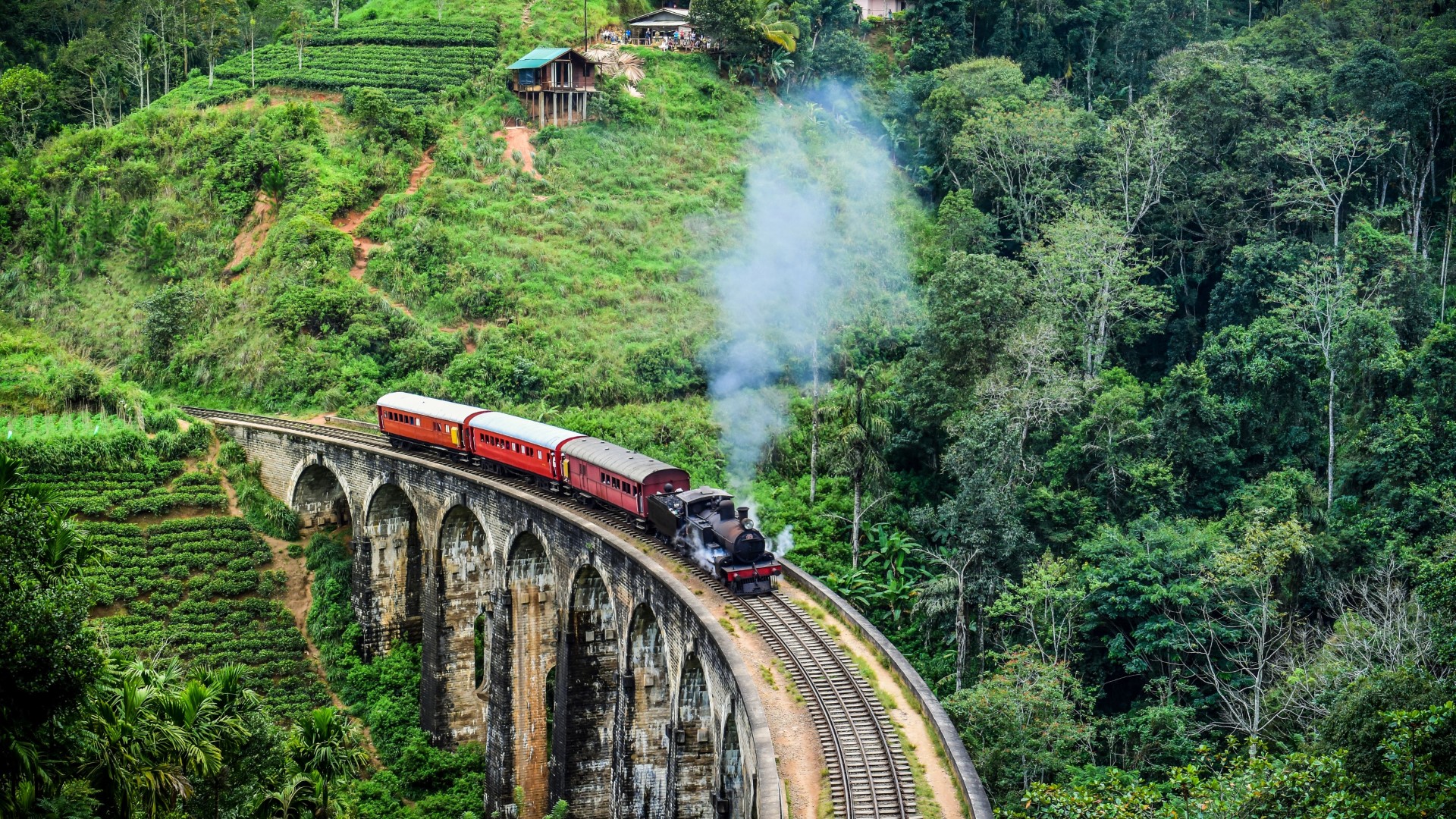
Ella is small, perched, and completely itself - a hill town that has developed a strong independent character built around its extraordinary natural setting. The Ella Gap, a break in the ridge through which mist rolls in each afternoon, frames a view that extends 50 kilometres to the southern coast on a clear morning. The Nine Arch Bridge, a colonial-era railway viaduct rising from dense jungle, is best visited when a train crosses it - an image of such improbable beauty that it has become one of Sri Lanka's most recognised photographs. Little Adam's Peak, a 45-minute hike from town, delivers panoramic views with minimal exertion. Ella rewards slow visitors most: those who stay two nights rather than one discover a rhythm here that is genuinely restorative.
Horton Plains
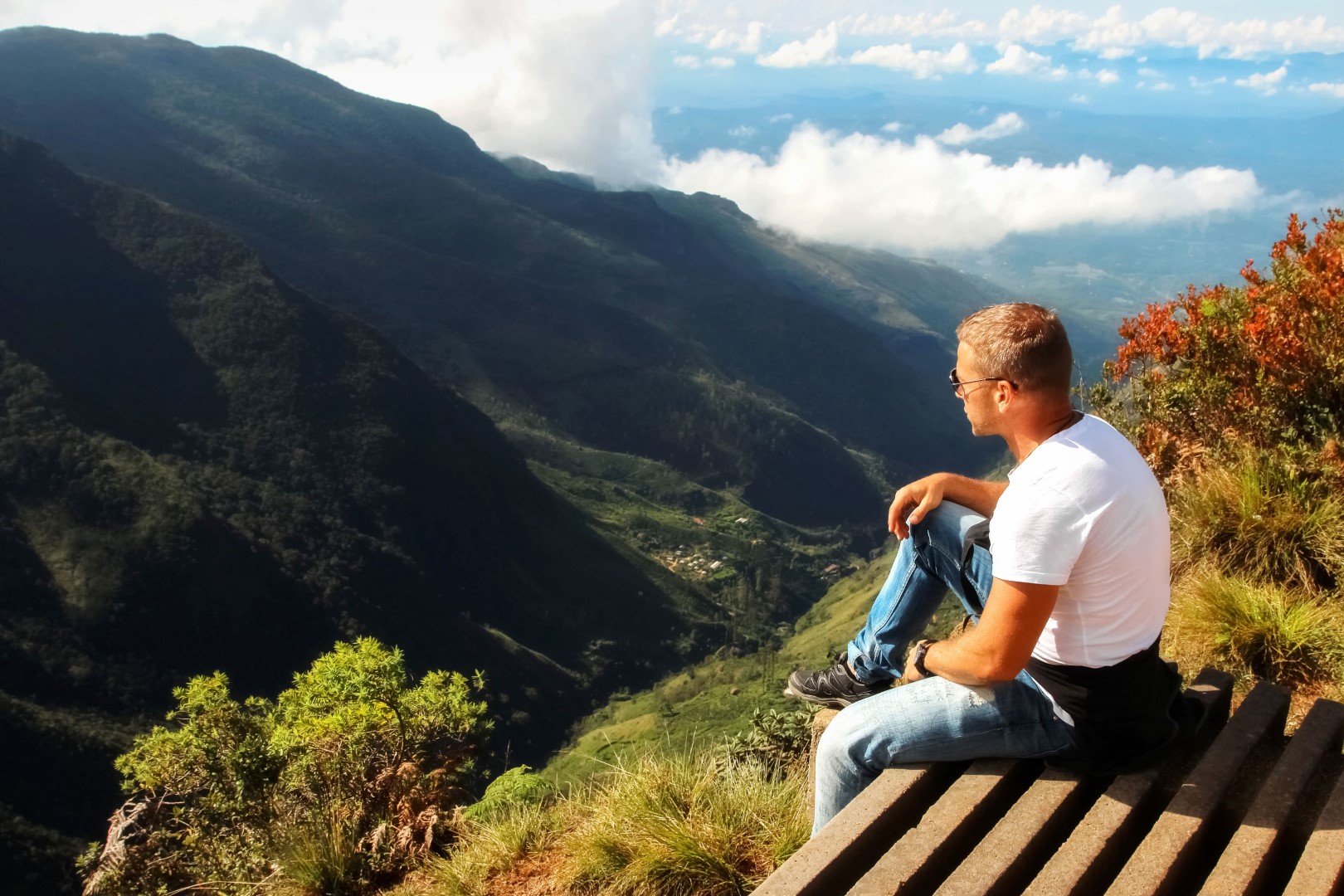
At an elevation of 2,100 to 2,300 metres, Horton Plains National Park is the highest protected area in Sri Lanka and one of its most ecologically distinct. The landscape here is montane grassland punctuated by cloud forest patches, streams, and the extraordinary geological formation of World's End - a sheer escarpment that drops 870 metres in a near-vertical face to the lowland plains below. On a clear morning, the view from World's End extends to the southern coast. Baker's Falls, reached along the same circular trail, cascades through a densely forested gorge that feels worlds away from the open plateau above. The park is home to several species found nowhere else on earth, including the Sri Lanka leopard and the Bear Monkey (purple-faced langur).
Knuckles Mountain Range
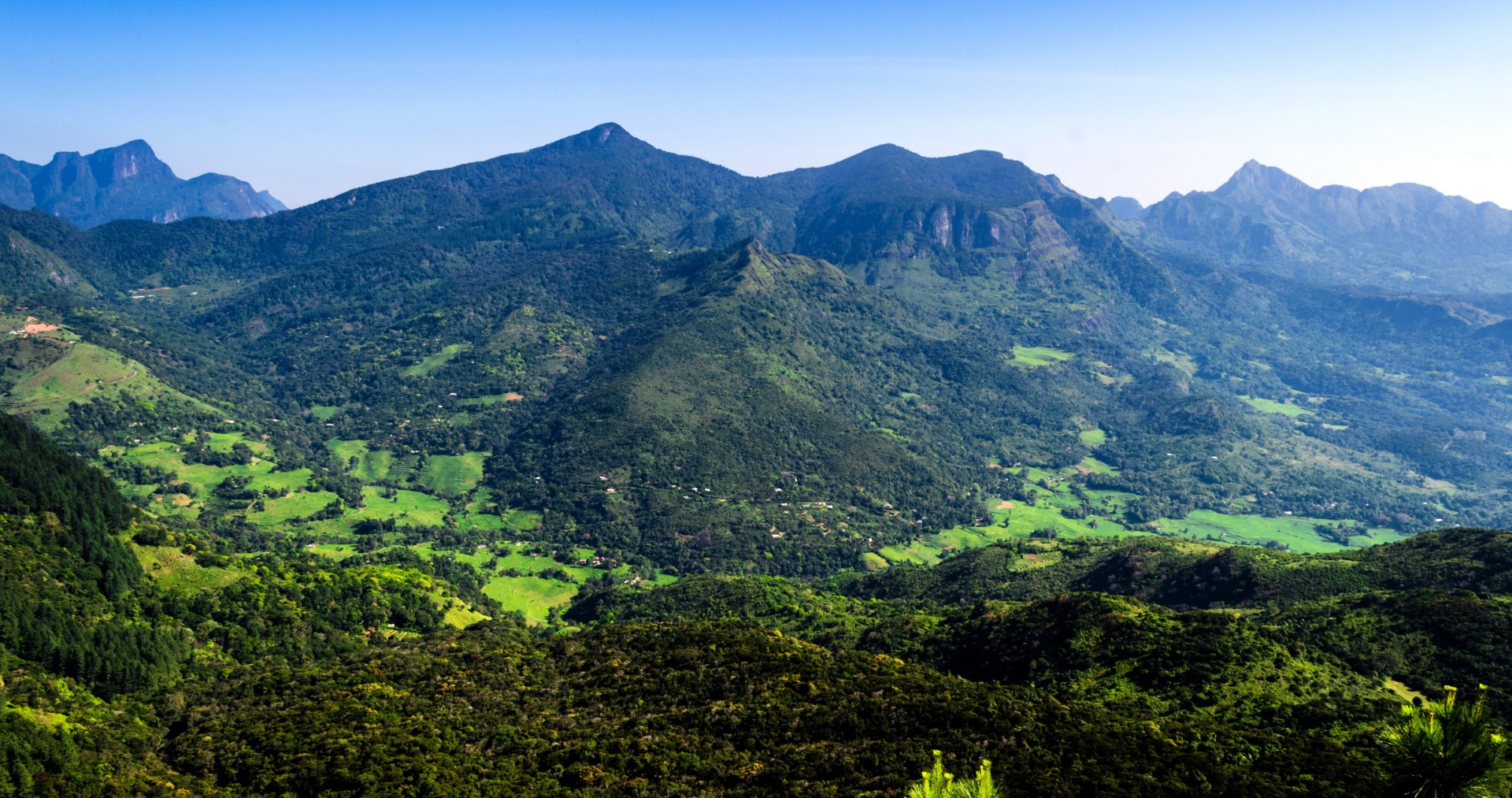
The Knuckles - named for the resemblance of their ridgeline to a clenched fist when seen from the Kandy valley - is Sri Lanka's most genuinely wild trekking destination. The range covers 175 square kilometres of cloud forest, waterfalls, remote villages, and high ridges with views across both the hill country and the eastern dry zone below. Biodiversity here rivals Sinharaja: endemic birds, reptiles, and amphibians in concentrations that make the Knuckles one of Sri Lanka's most important and least-disrupted natural areas. Guided multi-day treks through the range pass through hamlets where traditional mountain agriculture - terraced paddy, cardamom, coffee - continues essentially unchanged from a century ago.
Nuwara Eliya
The British built Nuwara Eliya as a hill station retreat from the coast's heat, and the town they left behind - Tudor-style guesthouses, a golf course, a racecourse, rose gardens, and a post office that still looks like something from a 1940s English market town - is the most unexpected place in Sri Lanka. The surrounding landscape is the real draw: rolling tea estates stretching in every direction, waterfalls catching morning light on the mountain roads, and cool air that makes every other Sri Lankan town feel subtropical by comparison. A visit to a working tea factory here - from fresh leaf to finished cup, explained by people who have spent their lives in the industry - is one of the most genuinely illuminating experiences the island offers.
Kitulgala
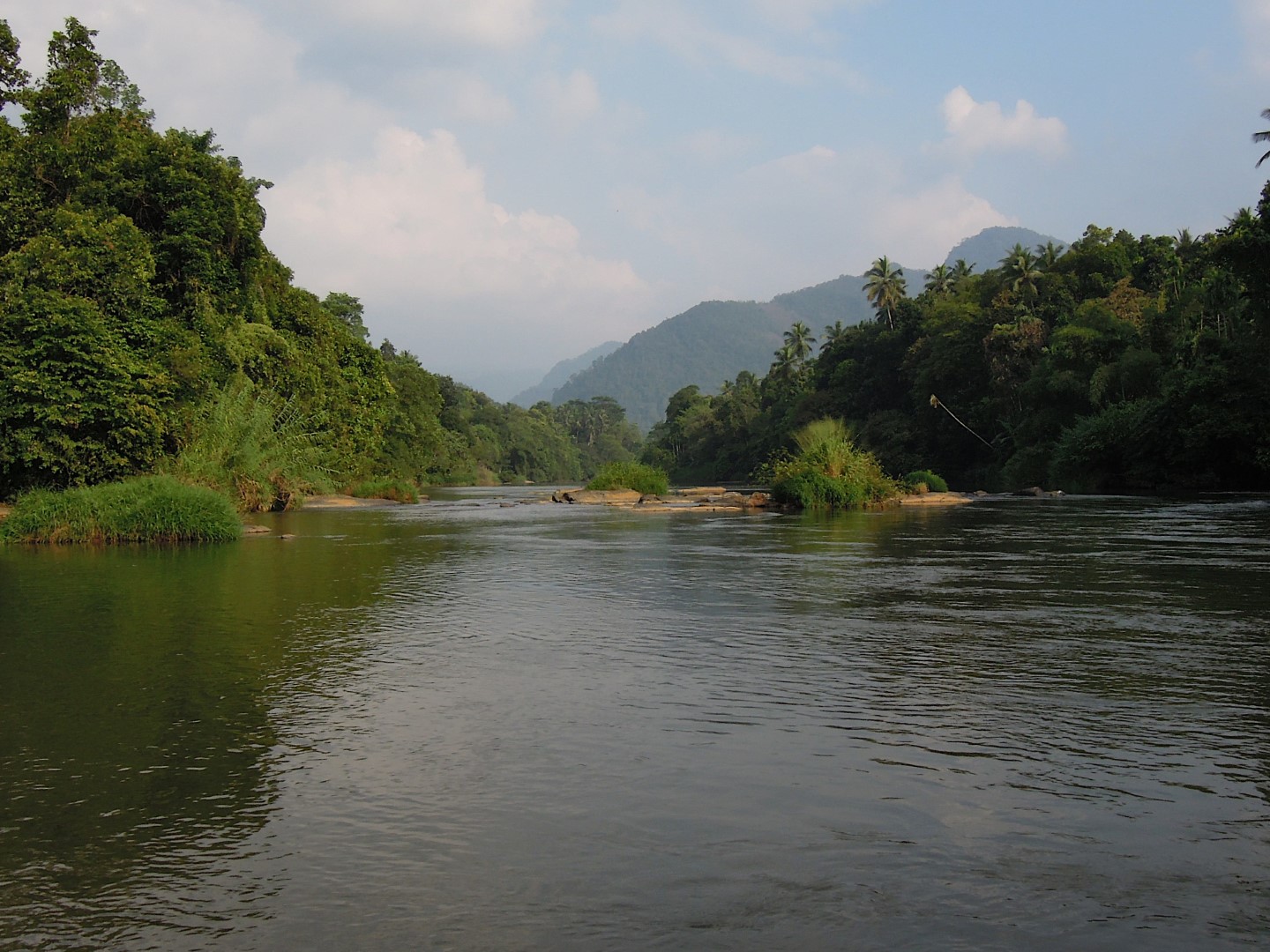
Kitulgala sits beside the Kelani River in the wet zone foothills - a lush, forested landscape of intense green that looks and feels completely different from the drier regions of the hill country. The river here provides some of the best white water rafting conditions in Sri Lanka, with grade 3 and 4 rapids through dense tropical forest. The same forest was the location for the filming of The Bridge on the River Kwai, and the surrounding trails offer excellent birdwatching and jungle trekking for those who prefer their adventure at a quieter pace. Kitulgala is a one-night destination that punches well above its size.
Kalpitiya
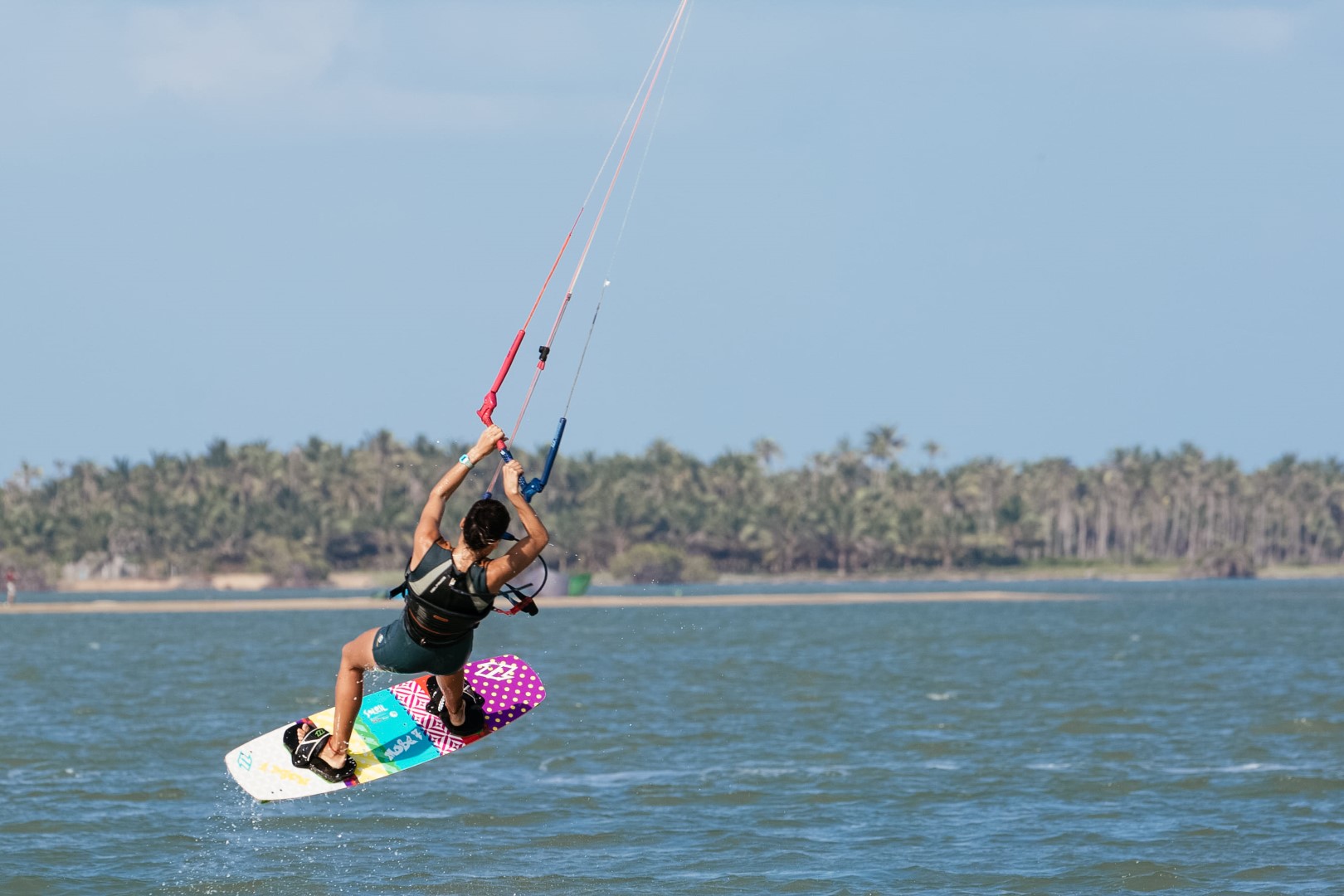
On Sri Lanka's northwest coast, the Kalpitiya Peninsula extends into the Puttalam Lagoon - a vast, shallow body of water protected from the open sea by a chain of barrier islands that creates extraordinary conditions for both wildlife and water sports. From May to September, spinner dolphin pods of 1,000 to 2,000 individuals pass through the offshore waters in what are among the largest dolphin aggregations recorded in the Indian Ocean. The lagoon itself is one of Asia's premier kite surfing destinations - flat water, consistent wind, and enough space to never feel crowded. Mangrove boat safaris through the lagoon reveal flamingos, crocodiles, and rare coastal birds in a landscape that feels remote even by Sri Lankan standards.