WhatsApp
For a tropical island of its size, Sri Lanka's wildlife credentials are extraordinary. It holds one of the world's densest leopard populations, regular sightings of the Asian elephant in herds that number in the hundreds, blue whales in its coastal waters, and over 430 species of birds in ecosystems ranging from arid coastal scrub to ancient montane rainforest. The national parks here are not performances arranged for visitors. They are functioning wild places - and the animals in them behave accordingly.
Yala National Park
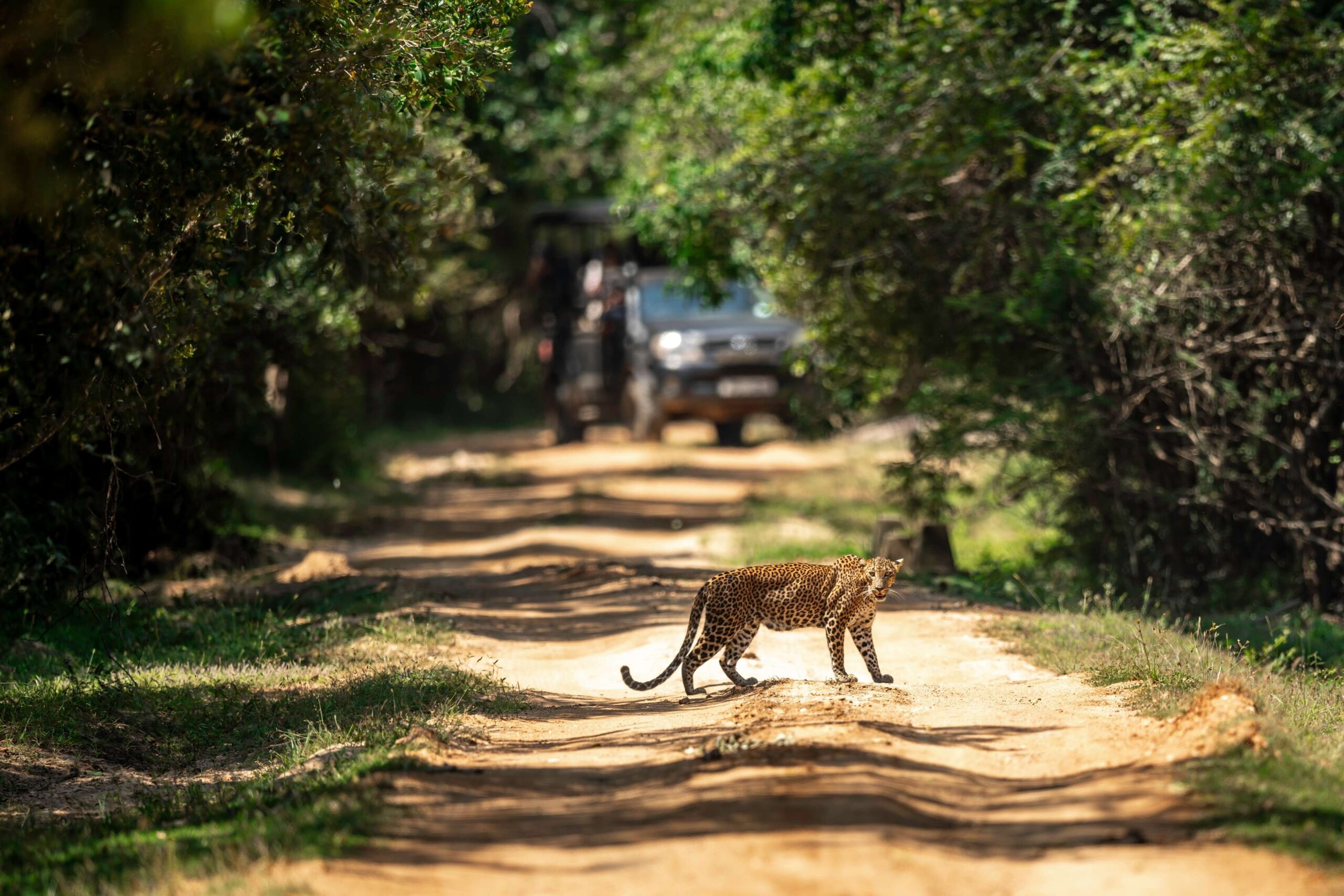
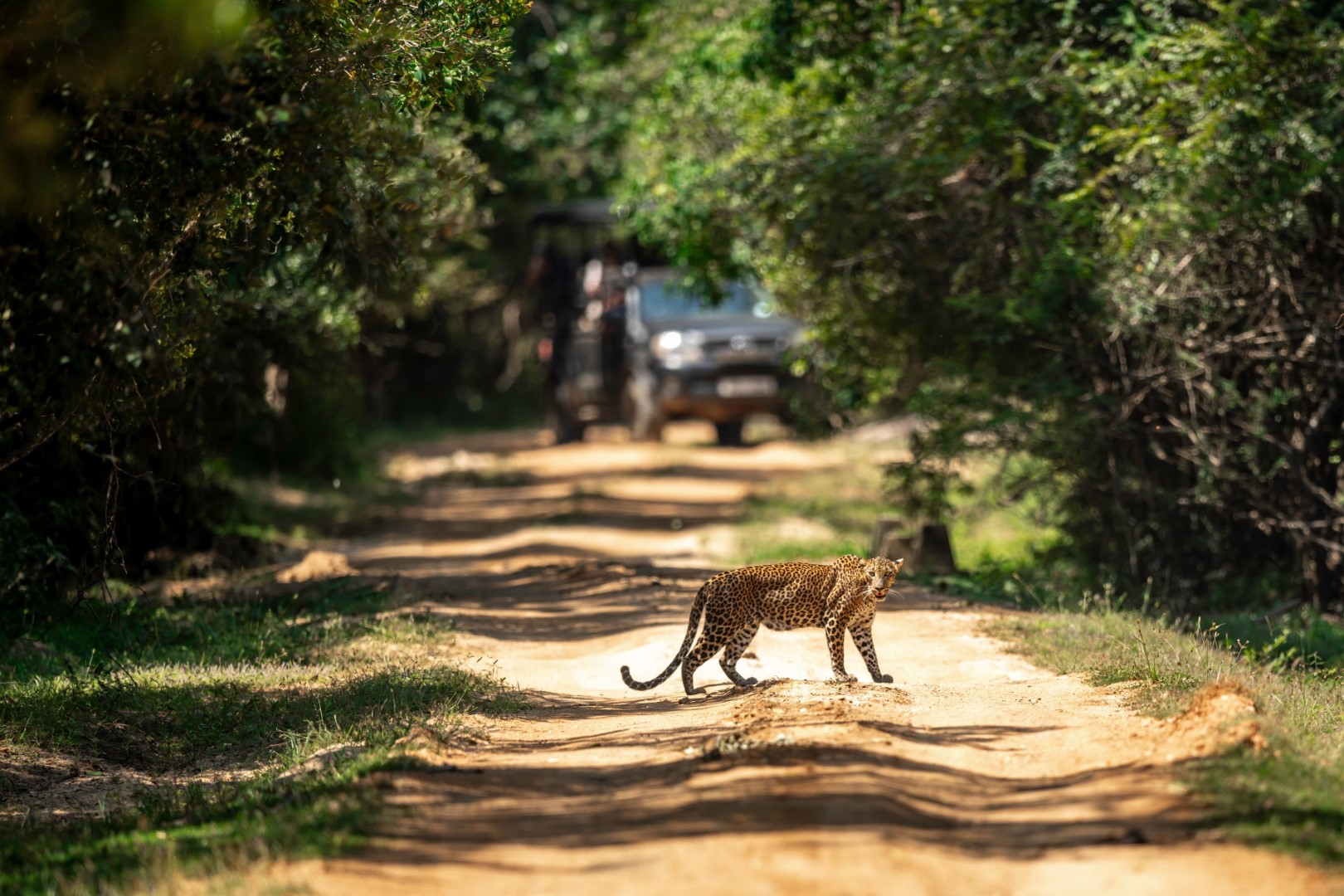
Yala is Sri Lanka's most famous national park, and the benchmark against which every safari on the island is measured. Block 1 - the section open to visitors - covers 140 square kilometres of dry thorn forest, open grassland, lagoons, and coastal scrub, and supports a leopard density that is among the highest recorded anywhere in the world. A full-day safari here will typically produce elephant sightings, water buffalo, mugger crocodiles, sambar deer, hundreds of bird species, and - on most mornings - at least one leopard in the open. The coastal setting of the park adds a dramatic visual dimension that inland safari parks cannot match: waves visible beyond the tree line, saltwater lagoons reflecting morning cloud.

Wilpattu National Park
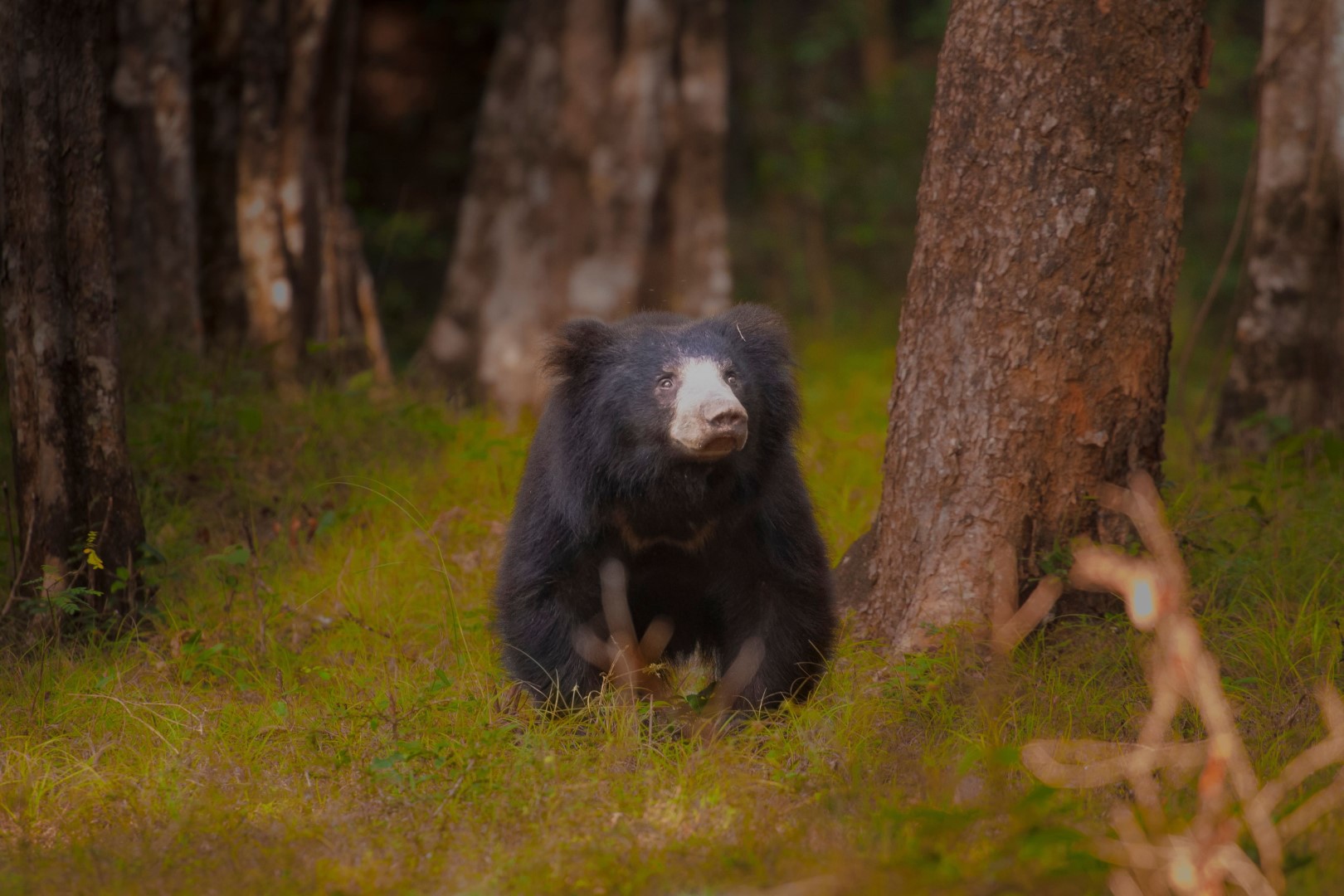
Sri Lanka's largest national park is also its most quietly extraordinary. Wilpattu is defined by its villus - natural, water-filled basins scattered across a forest landscape that has had minimal human disturbance. Leopards are increasingly well-sighted here; sloth bears emerge at dusk from the dense dry forest; Sri Lanka's endemic mugger crocodile inhabits the villus year-round. The experience of a Wilpattu safari is fundamentally different from Yala: fewer vehicles, longer pauses, a deeper sense of immersion in a wild system that is operating entirely on its own terms. For serious wildlife observers, Wilpattu is often the more rewarding of the two.
Minneriya National Park
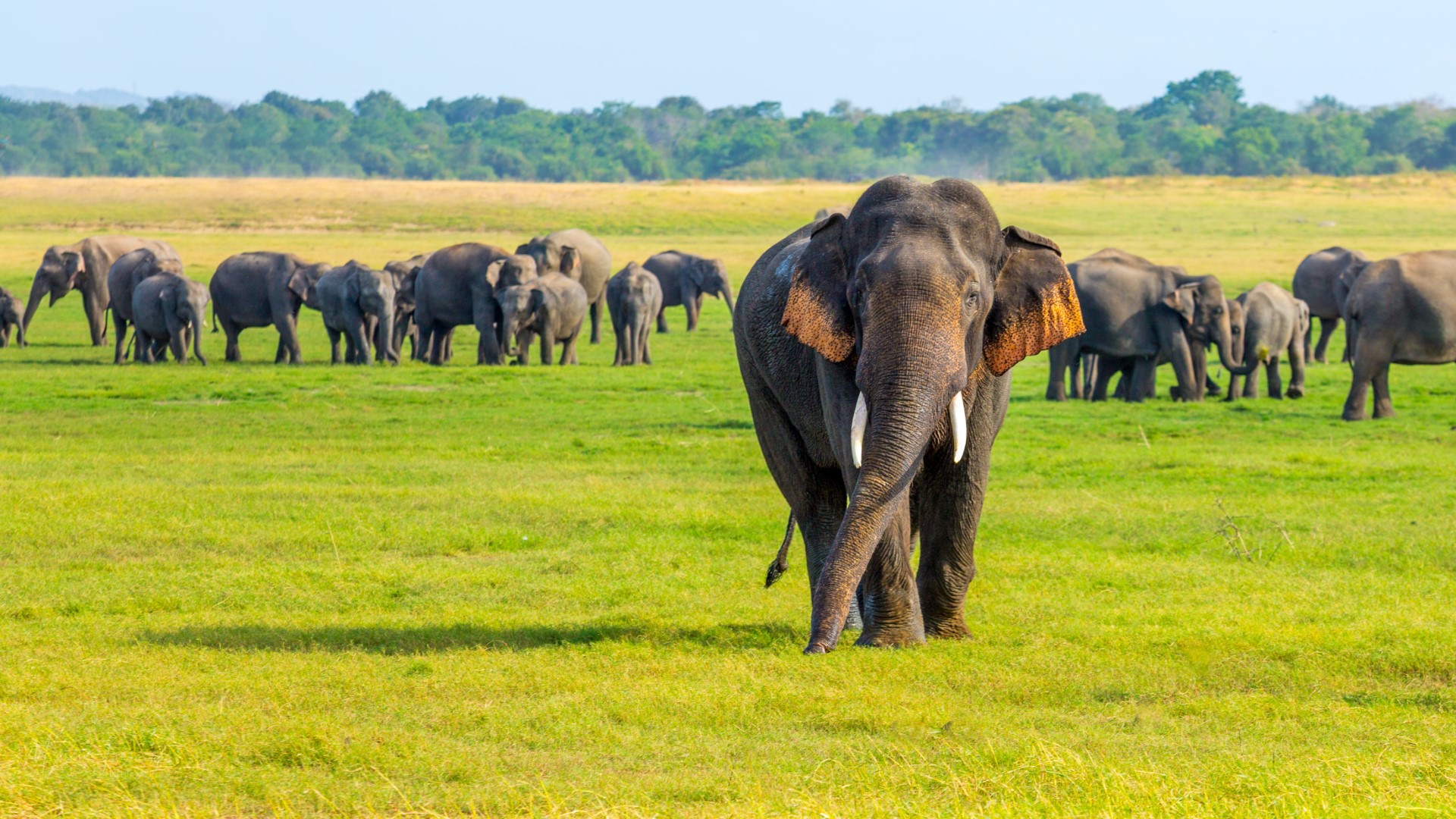
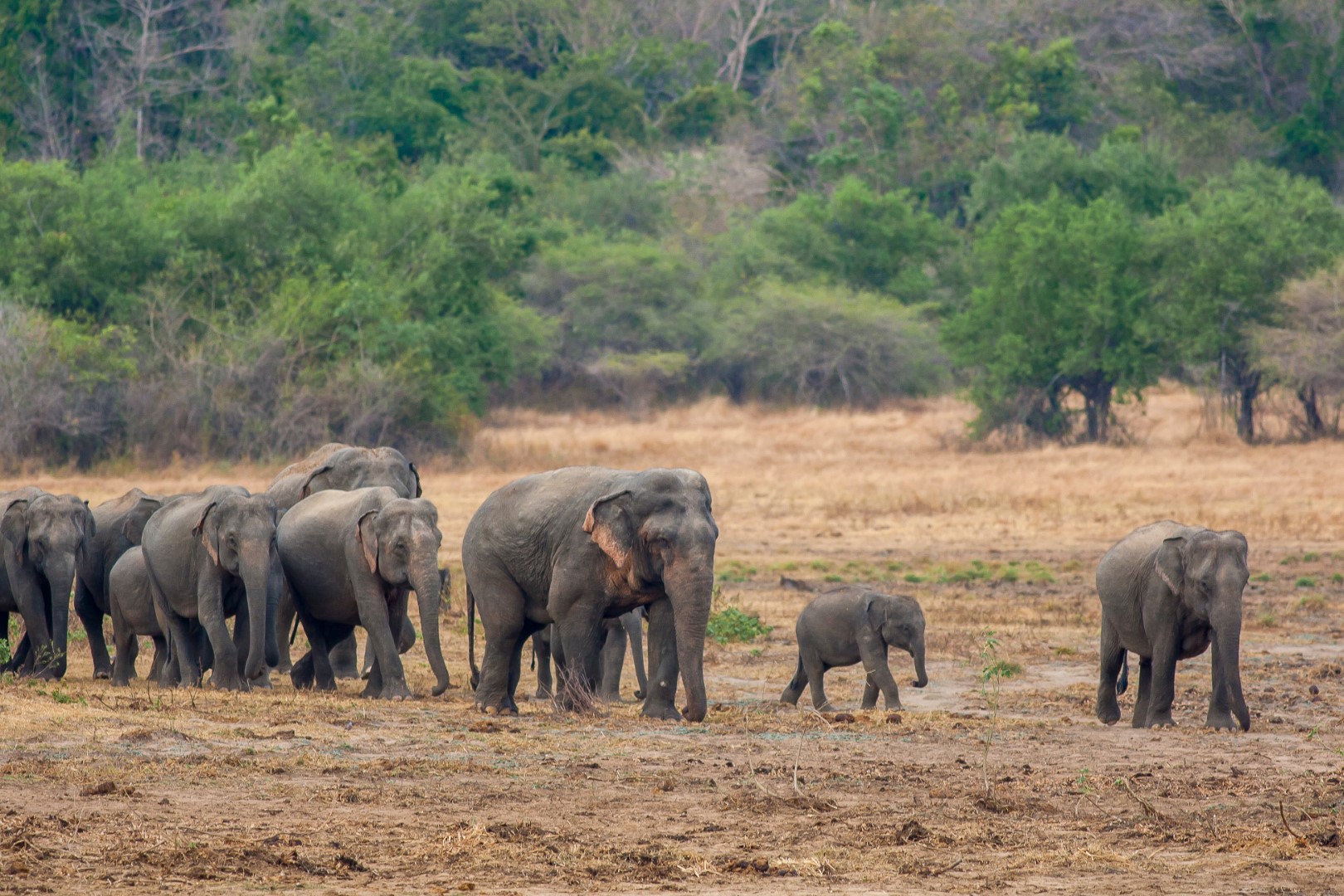
Between July and October, as the water level in the ancient Minneriya Reservoir drops, fresh grass emerges on the exposed lakebed and draws elephants from across the surrounding forest in numbers that produce one of the great wildlife spectacles of Asia. Known as The Gathering, this seasonal congregation regularly brings 200 to 300 elephants to the same waterside location in a single afternoon - families, bachelor herds, and young males all converging on the same ancient water source in a scene that has been repeated across thousands of years. Outside the peak gathering months, Minneriya remains an excellent elephant park with consistent and very accessible sightings from the jeep tracks around the reservoir.
Wasgamuwa National Park
Wasgamuwa is one of Sri Lanka's least-visited national parks, and that relative obscurity is a significant part of its appeal. The park protects a transitional zone between the dry zone lowlands and the hill country foothills, creating habitat for both typical dry zone species and highland forest species in close proximity. Elephant sightings here are frequent and often involve genuinely large herds; the Mahaweli River, which borders the park, attracts crocodiles, otters, and exceptional birdlife. A visit to Wasgamuwa feels less like a organised safari and more like a genuine encounter with a wild place that hasn't been choreographed for tourism.
Sinharaja Forest Reserve
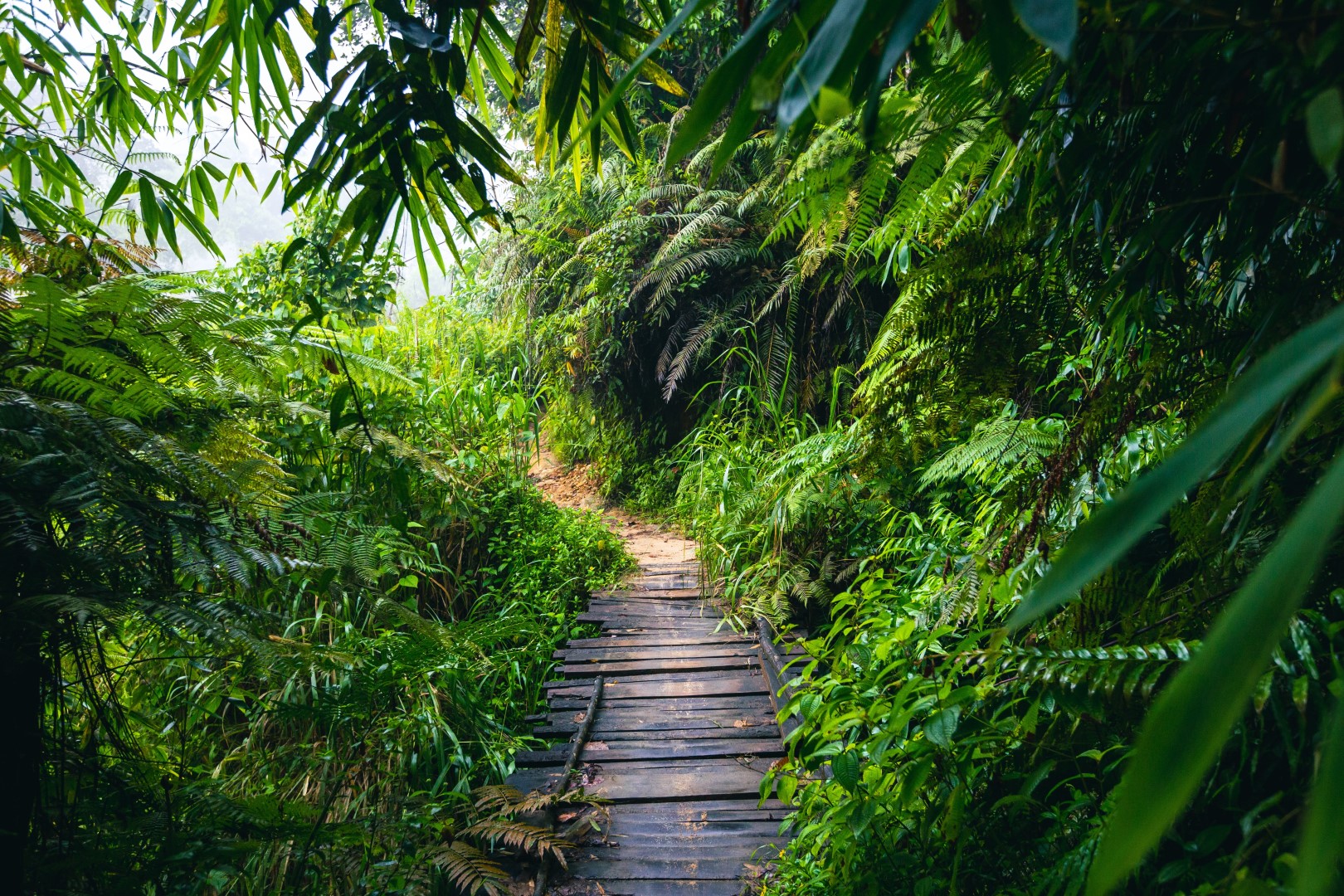
Sinharaja is a UNESCO World Heritage Site and the last remaining substantial tract of primary lowland rainforest in Sri Lanka - a 11,000-hectare sanctuary of biological diversity that supports an extraordinary concentration of endemic species. Of Sri Lanka's 26 endemic bird species, 21 are found in Sinharaja, and the mixed-species flocks that move through the forest canopy throughout the day are one of the great birdwatching experiences in South Asia. The forest floor is dense with endemic flora, medicinal plants, and insect life. A guided morning walk through Sinharaja with a specialist naturalist is transformative - a reminder of what the island's interior looked like before so much of it was converted to plantation.