WhatsApp
Sri Lanka's ancient kingdoms were not small, isolated settlements - they were sophisticated urban civilisations with advanced irrigation systems, monumental religious architecture, and trade networks that reached across the known world. Exploring these sites today is not a passive museum exercise. The temples are active, the offerings are fresh, and the stones have absorbed more human devotion than most of the world's famous monuments combined.
Sigiriya
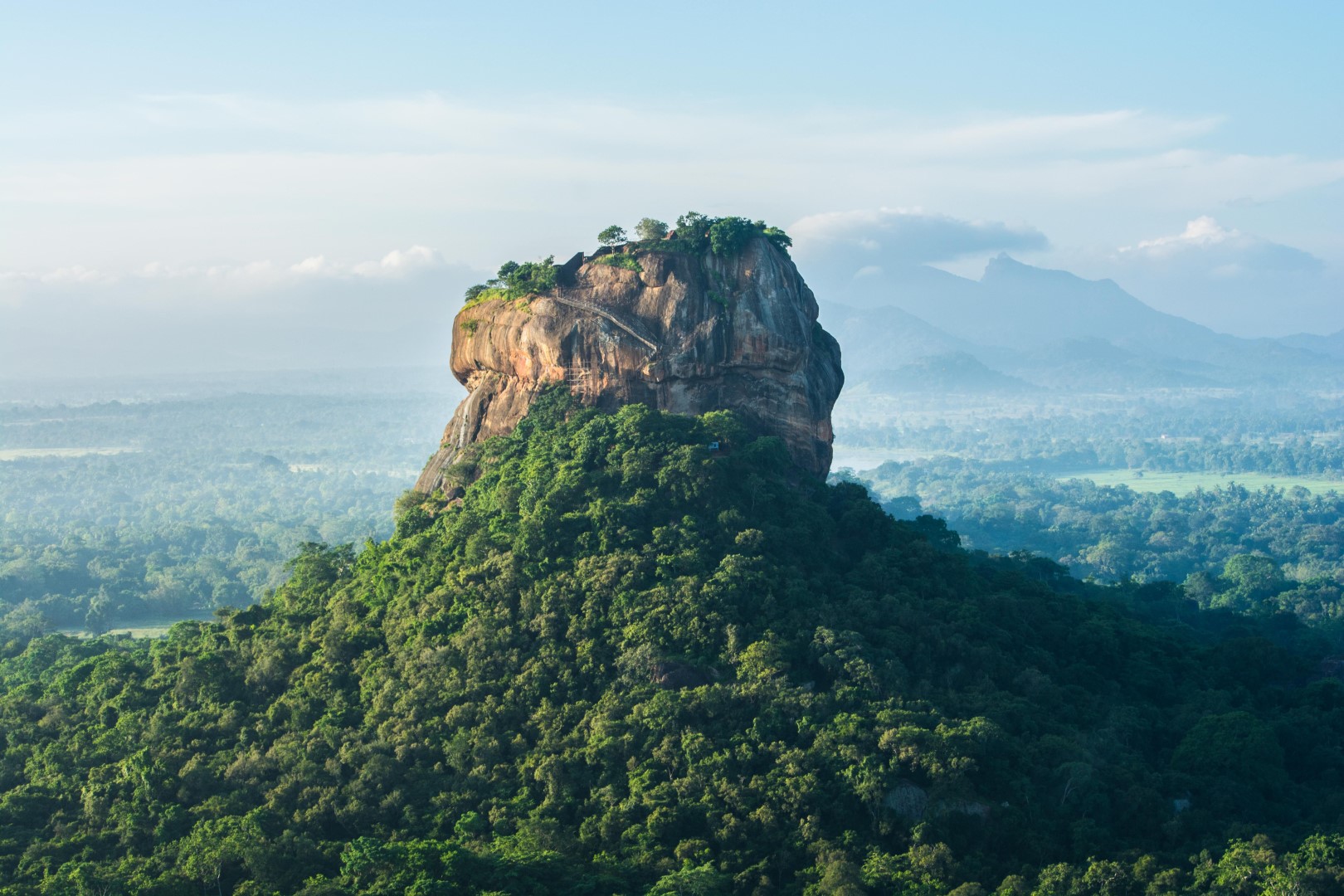
There is no gentle way to describe Sigiriya. A 200-metre volcanic plug rising sheer from the flat jungle plains of the Cultural Triangle, it bears on its summit the ruins of a 5th-century royal palace built by a king who chose a fortress in the sky over any earthly alternative. The climb passes ancient frescoes of celestial women painted directly onto the rock face, a pair of colossal lion's paws carved at the final ascent, and a sequence of water gardens below that represent some of the oldest surviving landscape architecture in Asia. Arrive before dawn and watch the mist clear across the forest canopy. Sigiriya does not need embellishment - it needs only the right hour.
Anuradhapura
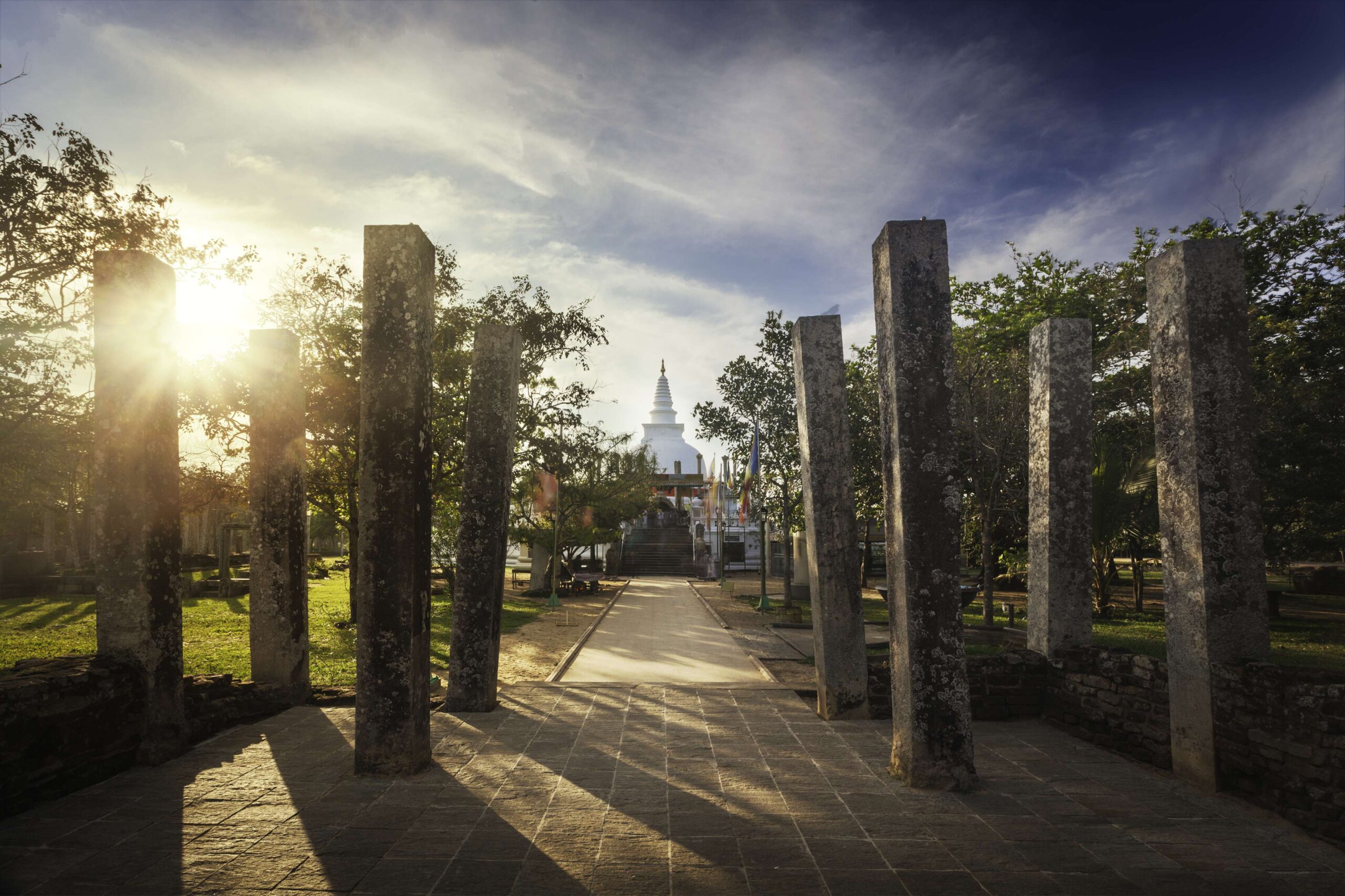
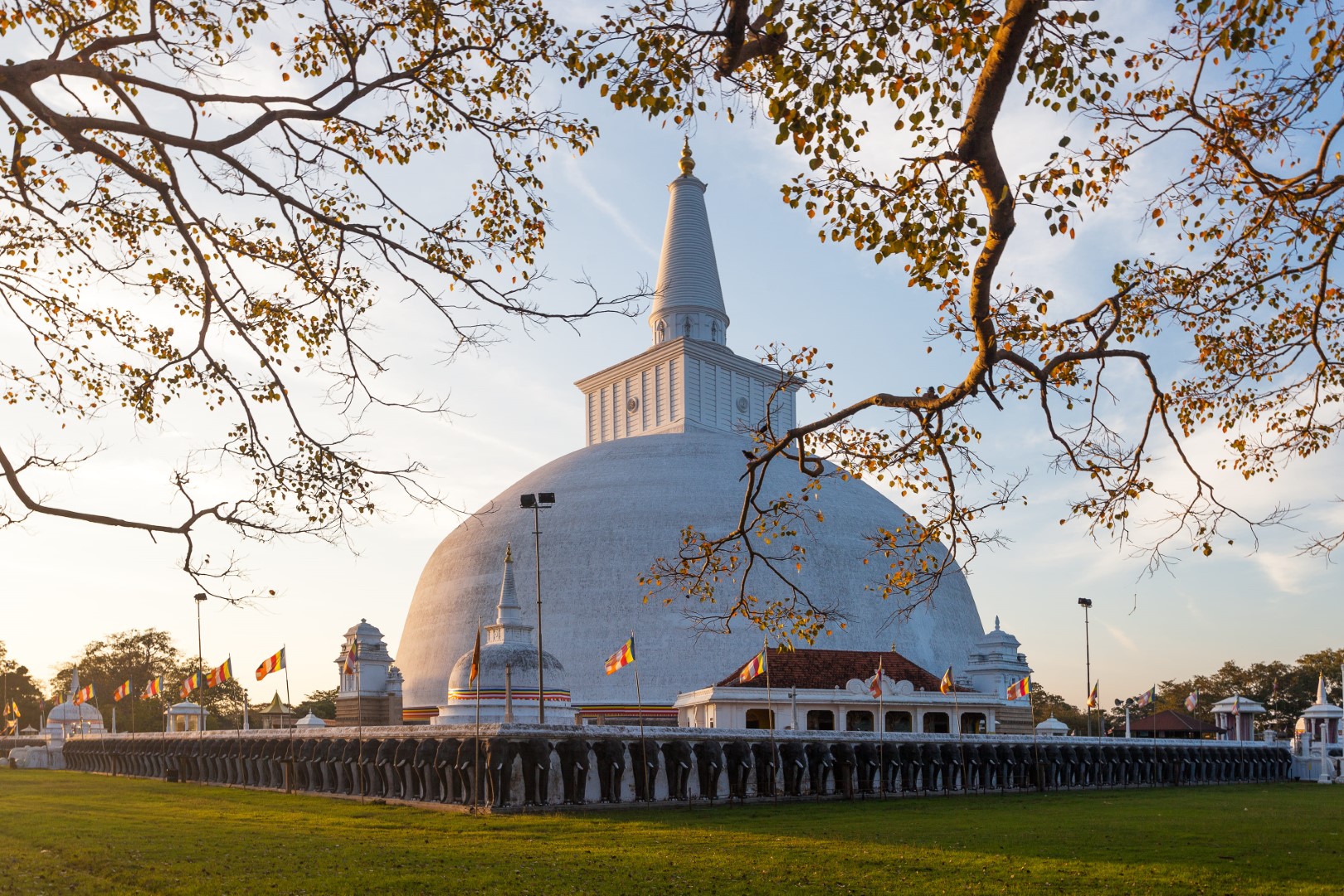
For over a thousand years, Anuradhapura was one of the most powerful cities in Asia - a hydraulic civilisation that fed a population of millions through a network of reservoirs and irrigation channels that are still in use today. What survives is staggering in scale: three of the largest brick structures ever built anywhere in the ancient world, a sacred fig tree believed to be the oldest human-planted tree on earth, and a city plan that extends across square kilometres of forest and paddy. The Sri Maha Bodhi tree - grown from a cutting of the original Bodhi tree under which the Buddha attained enlightenment - draws pilgrims from every Buddhist nation on the planet. On a full moon poya day, Anuradhapura does not feel like a ruin. It feels like a city that never quite ended.
Polonnaruwa
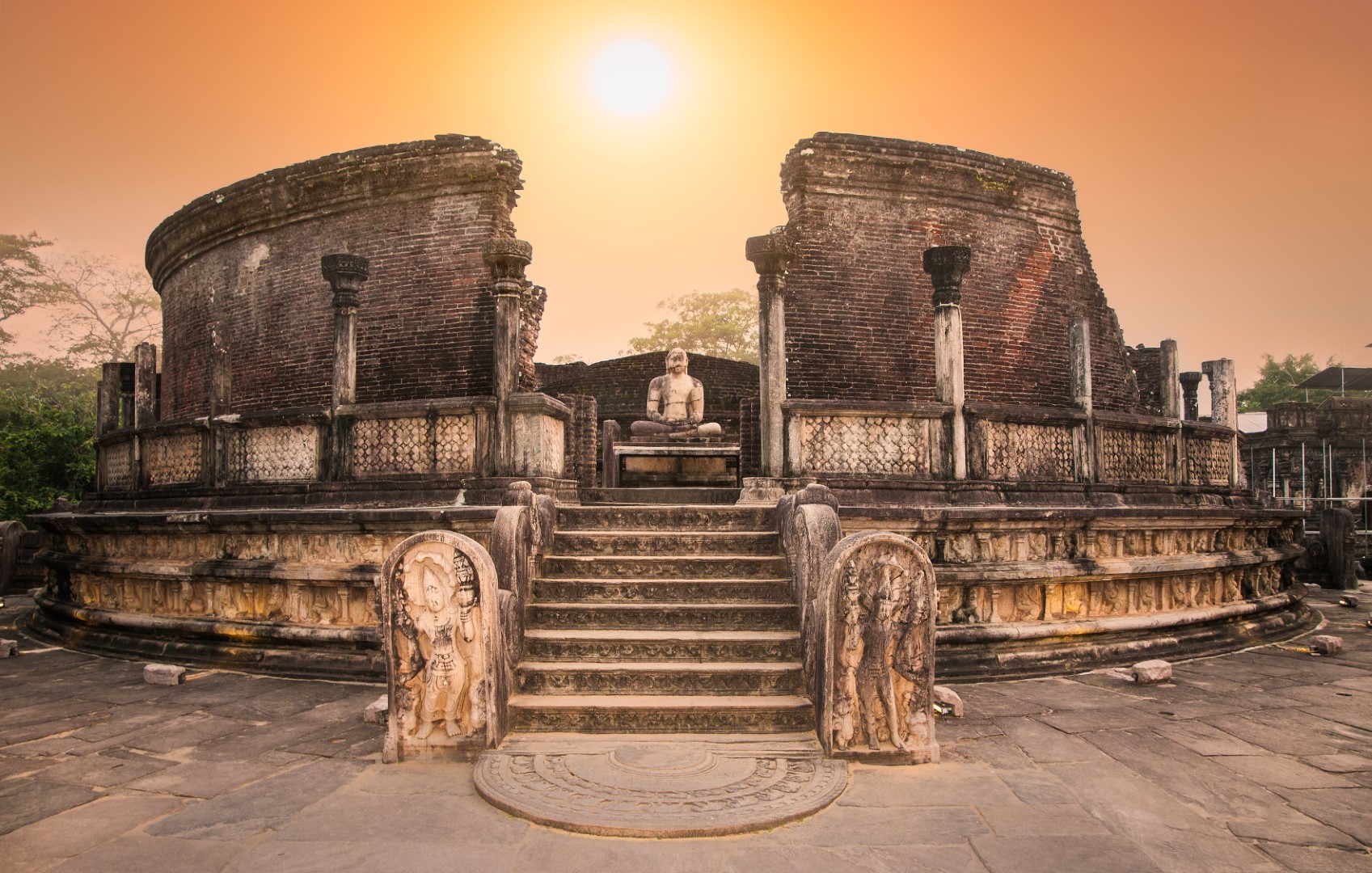
Sri Lanka's second great ancient capital achieved its peak between the 11th and 13th centuries, and the concentration of architectural achievement it left behind is extraordinary. The Gal Vihara - four colossal figures carved from a single granite face, including a 15-metre reclining Buddha of breathtaking serenity - is one of the great works of Asian religious art. The Vatadage, a perfectly proportioned circular relic house, demonstrates a mastery of geometric architecture that feels almost modern. Explore by bicycle along the flat, shaded pathways between monuments - Polonnaruwa rewards the visitor who moves slowly, pauses often, and allows each site to speak for itself before moving to the next.
Kandy
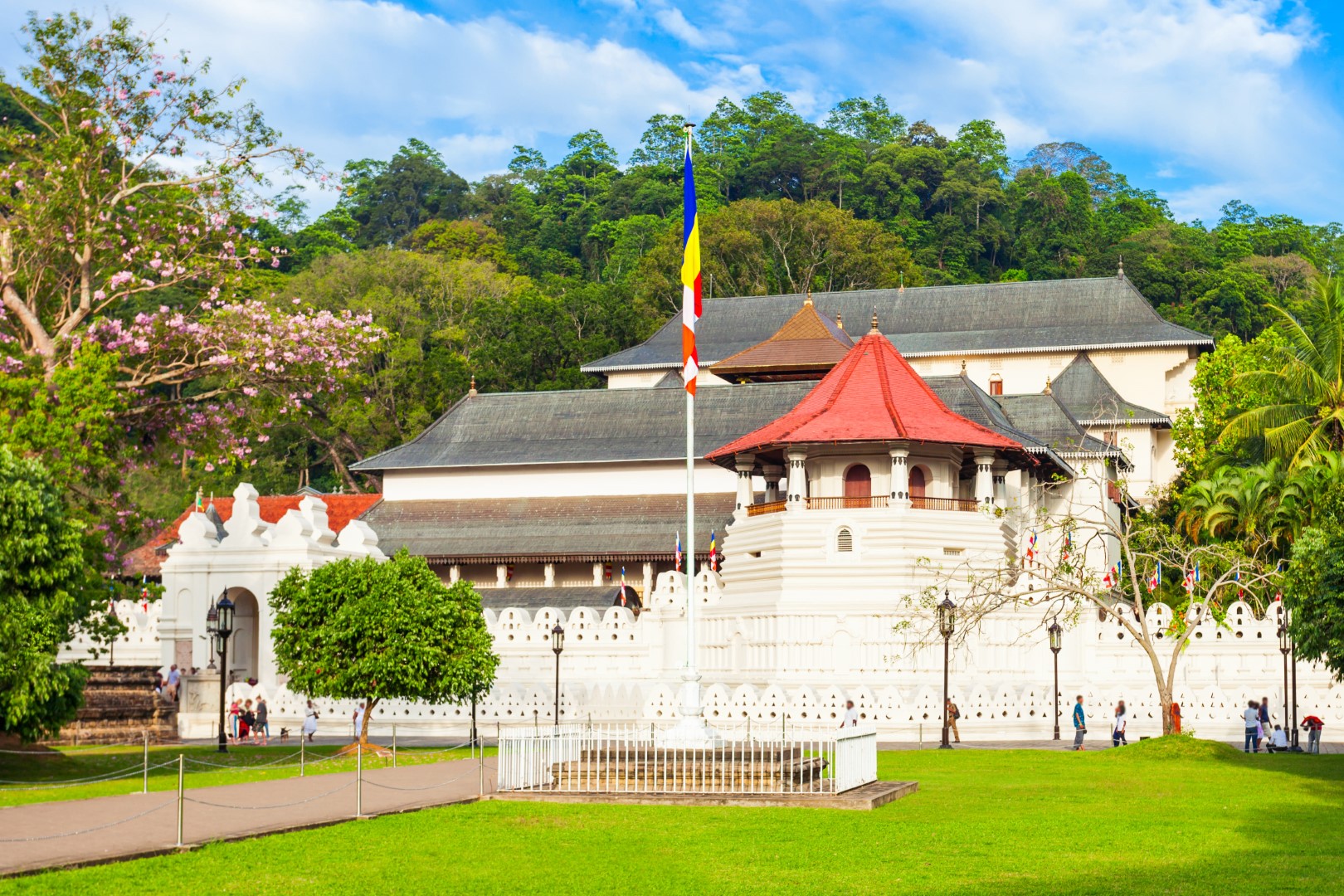
Kandy is Sri Lanka's cultural capital - the hill city that served as the last independent Sinhalese kingdom and remains today the spiritual and ceremonial heart of the island. The Temple of the Sacred Tooth Relic houses what is believed to be a tooth of the Buddha, and the puja ceremonies at dawn and dusk - accompanied by the sound of traditional drums, horns, and the smell of jasmine and incense - are among the most atmospheric religious experiences in South Asia. Beyond the temple, Kandy offers the outstanding Peradeniya Botanical Gardens, a thriving arts and craft scene, and the extraordinary spectacle of the Esala Perahera in August - a ten-day procession of elephants, fire dancers, and thousands of pilgrims that is unlike anything else on earth.

Dambulla
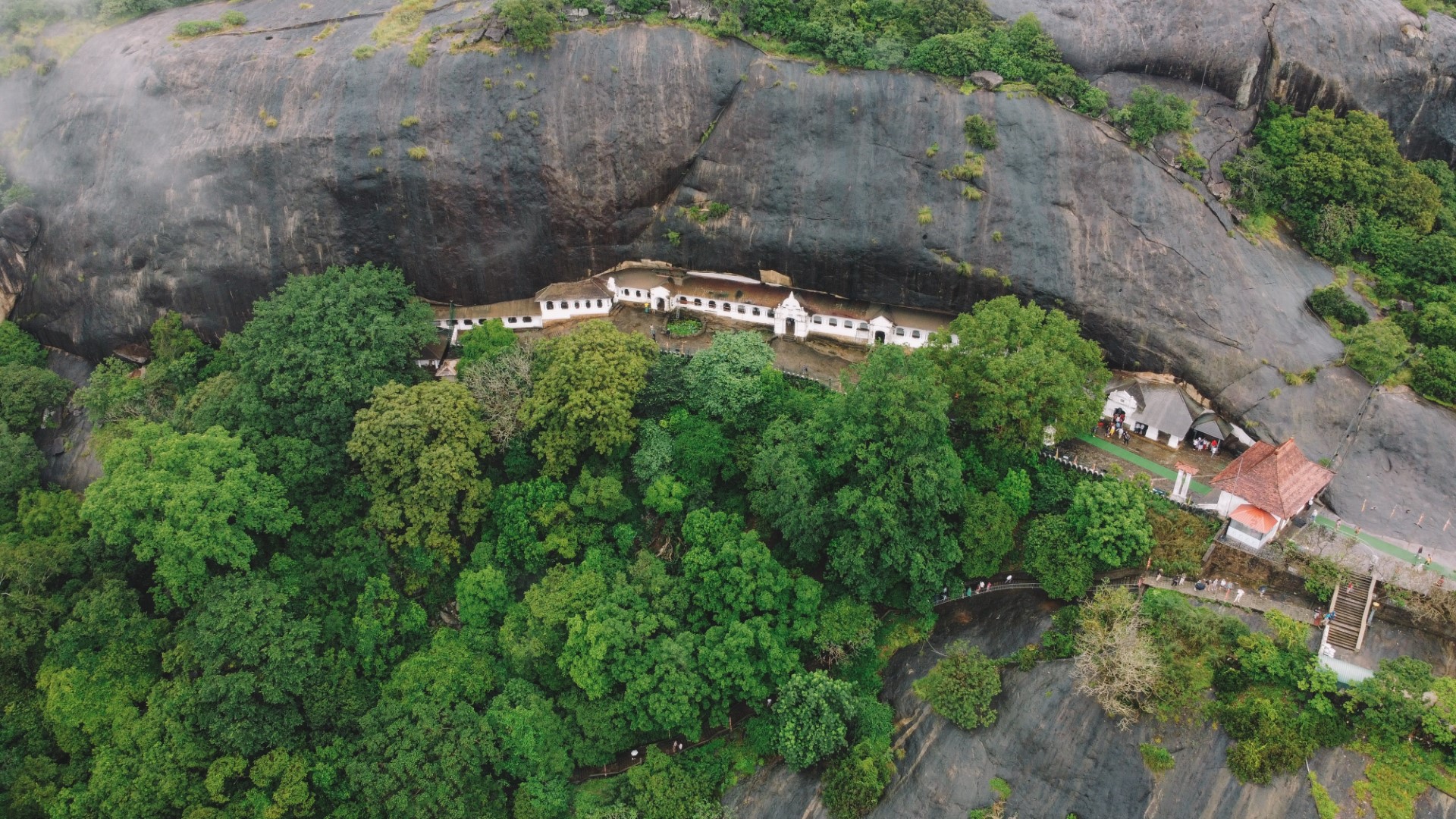
Carved into a granite massif that rises 160 metres above the surrounding plain, the Dambulla Cave Temple complex is one of the finest examples of cave art in Asia and the largest of its kind in Sri Lanka. Five interconnected chambers contain 153 Buddha statues, 3 statues of Sri Lankan kings, and 4 of gods - all surrounded by murals that cover every available surface across 2,100 square metres of painted cave ceiling. The oldest paintings date from the 1st century BCE; the most recent from the 18th century. Dambulla is often visited as a half-day stop between other Cultural Triangle sites, but it deserves more attention than that. The quality of the art, and the strangeness of standing inside a painted world inside a rock, rewards a slow visit.