


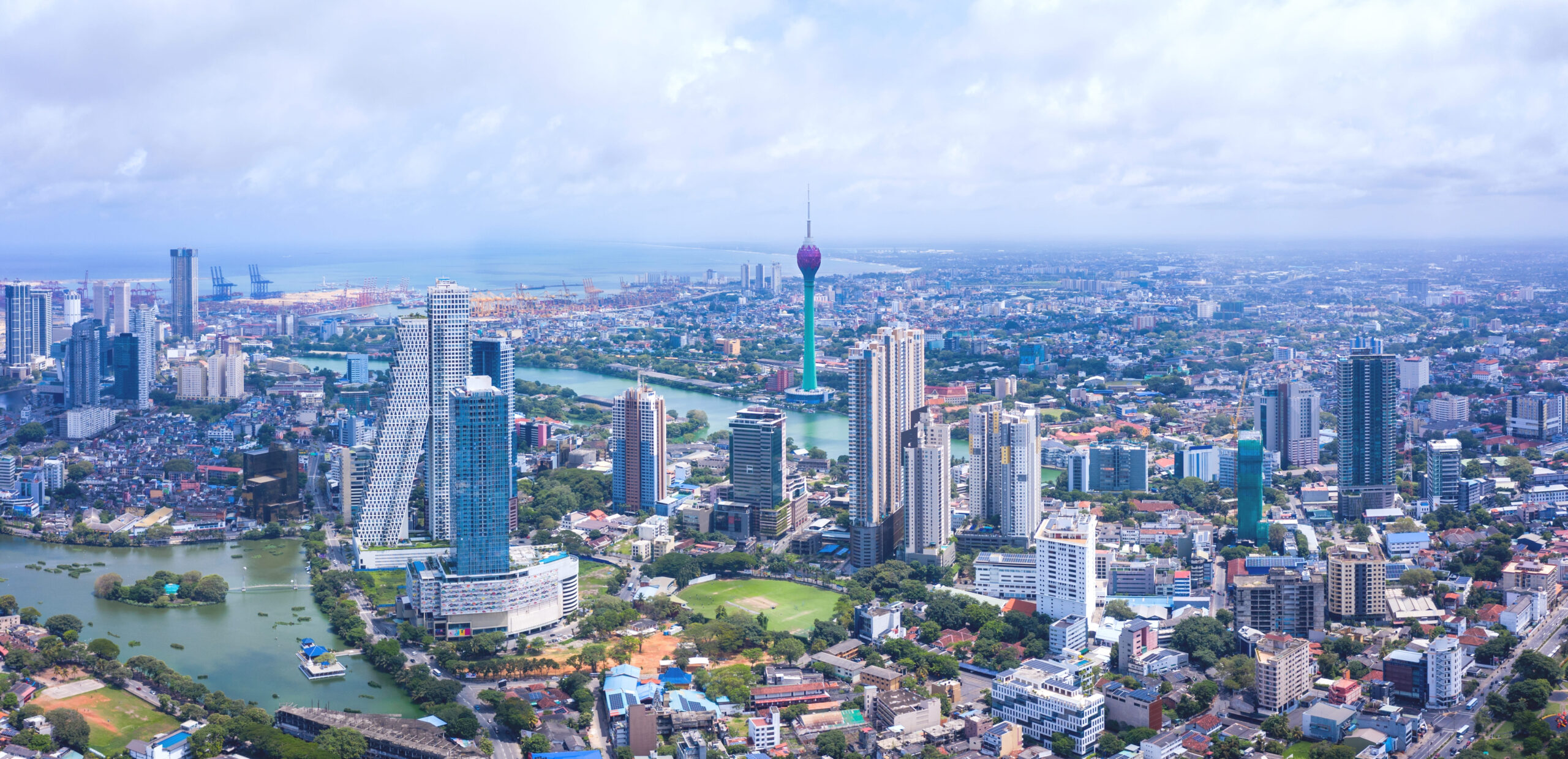


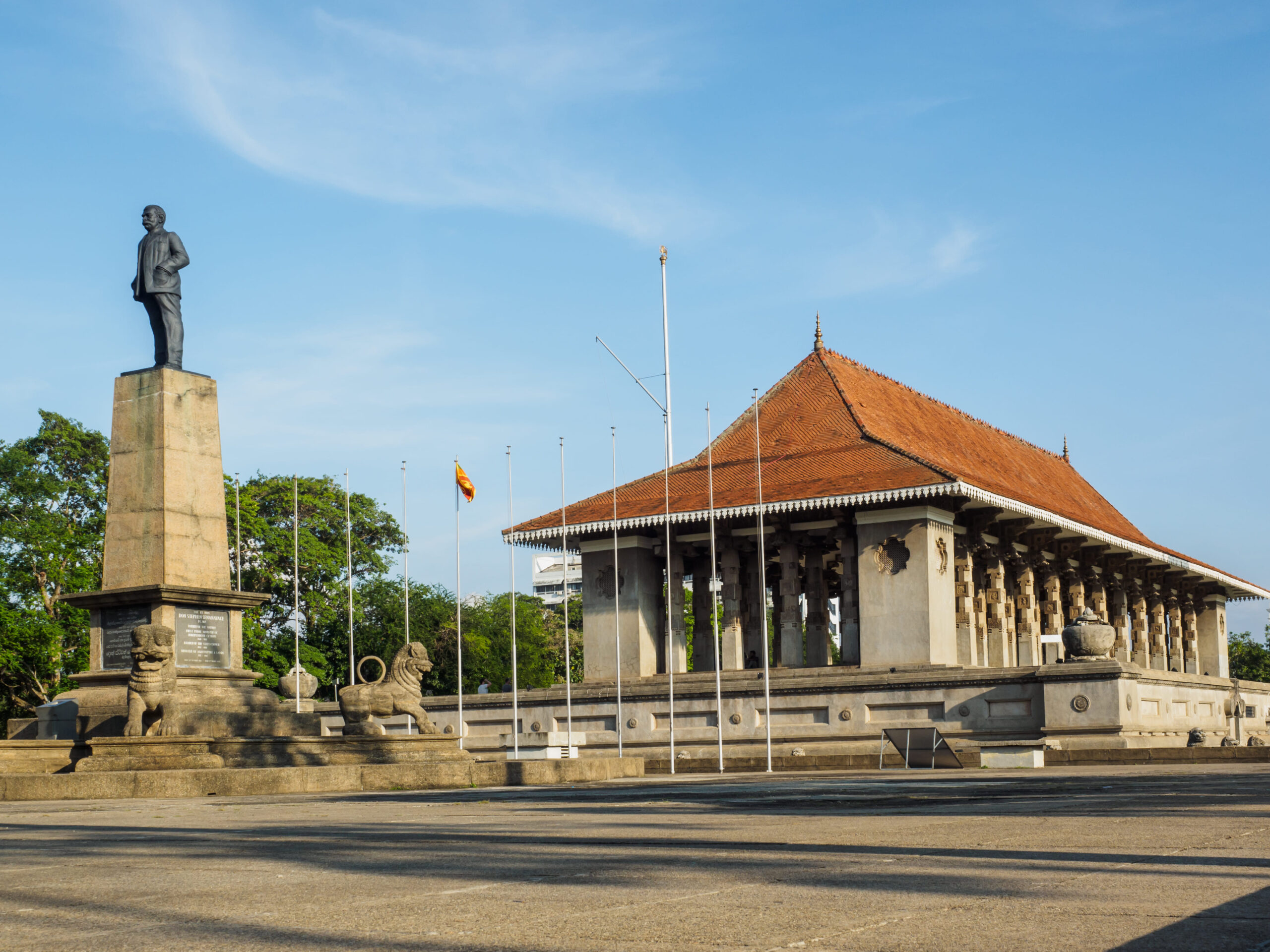
The oldest commercial quarter of Colombo is a dense, sensory experience of covered markets, street vendors, wholesale traders, and religious buildings belonging to five different faiths within a few hundred metres of each other. We navigate it with a guide who understands its geography and its social history – explaining not just what you’re seeing but how the community here has functioned for centuries.
One of Colombo’s most important and visually complex Buddhist temples, Gangaramaya is as much a museum as a place of worship – its collection of objects donated by devotees over decades fills every available surface with statues, vehicles, clocks, and cultural artefacts that document Sri Lankan Buddhist practice in extraordinary and occasionally bewildering detail. The resident monks are accustomed to respectful visitors and the evening puja is a moving experience.
The seafront promenade of Galle Face Green, built by the British in 1859, faces due west and catches the Indian Ocean breeze in a way that has made it a social institution for every generation of Colombo resident since. The surrounding streets of Fort – the original colonial administrative quarter – retain their 19th-century commercial buildings and offer a quiet, architecturally interesting counterpoint to the bustle of the rest of the city.
Sri Lanka’s national collection spans 2,500 years of island civilisation across a series of beautifully maintained galleries covering the ancient kingdoms, the colonial era, traditional arts and crafts, and the natural history of an island of exceptional biological diversity. A briefing on the collection before entering makes the visit significantly more rewarding – we ensure our guests arrive with the context to understand what they’re looking at.
The restored Dutch Hospital complex near the port is now home to some of Colombo’s best restaurants, cafes, and design retailers in a building whose architectural quality is visible in every detail. The surrounding Colombo 7 neighbourhood has developed a creative economy of galleries, studios, and independent food establishments that reflects a new generation of Sri Lankan urban culture.

