WhatsApp
Sri Lanka's coastline stretches for over 1,340 kilometres - long enough to accommodate an extraordinary range of beach characters, from the windswept kite-surfing lagoons of the northwest to the intimate cove beaches of the deep south. The island's dual monsoon system means there is always a coast in perfect condition somewhere, and the variety of what lines those shores - from colonial fort walls to fishing villages to reef-protected shallows - ensures that no two beach destinations feel the same.
Negombo
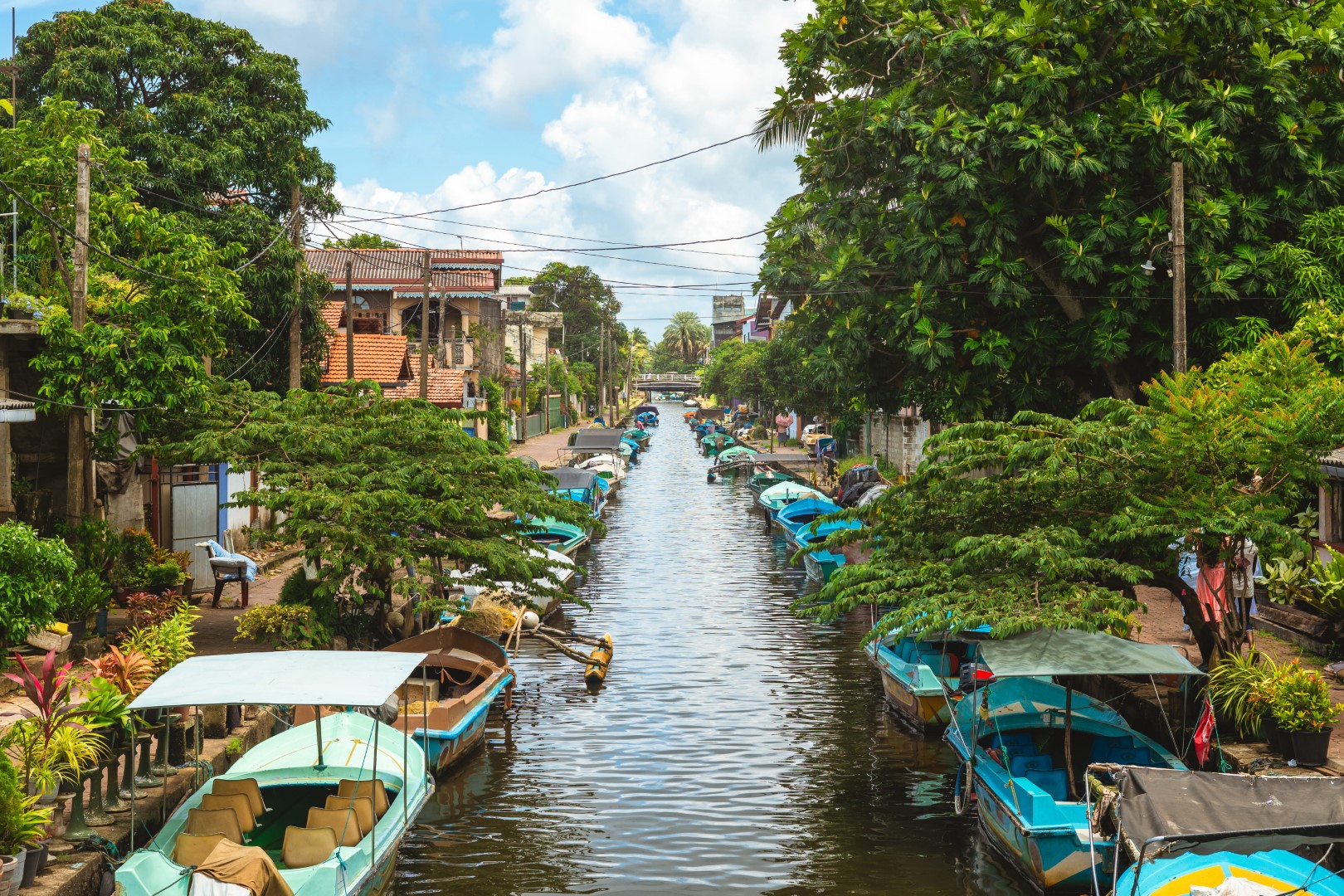
Negombo sits just south of the international airport, but the ease of access is only one reason to include it. This is a working fishing town with a strong Dutch colonial legacy - the canal system, the St. Mary's Church, the daily fish market where the overnight catch arrives before dawn - and a beach culture that is relaxed rather than resort-polished. The lagoon behind the town is home to a mangrove ecosystem best explored by early morning boat, and the seafood restaurants that line the coast cook that same morning's catch in ways that set a high bar for the rest of the trip.
Bentota
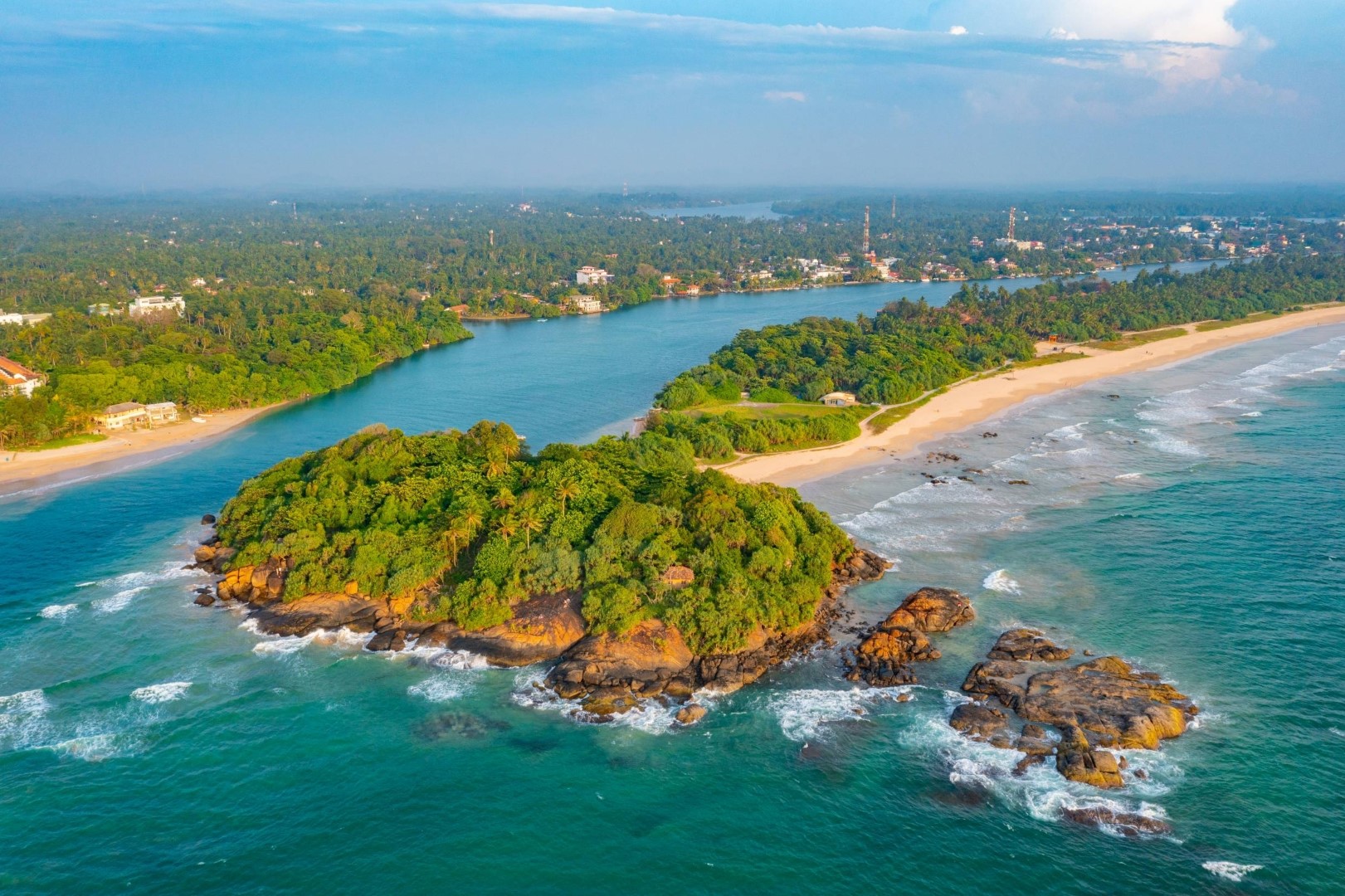
Bentota is the south-west coast's most developed beach resort destination, but development here has been tasteful enough that it retains real appeal. The beach is wide, calm, and safe for swimming through the dry season months, and the Bentota Lagoon - which runs parallel to the shore and empties into a wide river mouth - offers world-class water sports conditions: jet skiing, banana boats, wakeboarding, and the famous Madu River boat safari through a mangrove estuary of extraordinary biological richness. Colonial-era plantation houses converted into boutique hotels add a layer of character that pure resort destinations rarely achieve.
Hikkaduwa
Hikkaduwa has been a traveller's destination since the 1970s, and while the town has grown, its essential character has not entirely been lost. The reef directly offshore - accessible by swimming or glass-bottomed boat - shelters a community of sea turtles that have been frequenting these waters for decades. The surf breaks are reliable and attract a year-round community of intermediate and experienced surfers. Inland, Hikkaduwa's spice gardens and rubber plantations offer a different dimension to the coastal scene. It is not a hidden gem, but it is a genuinely enjoyable place.
Unawatuna
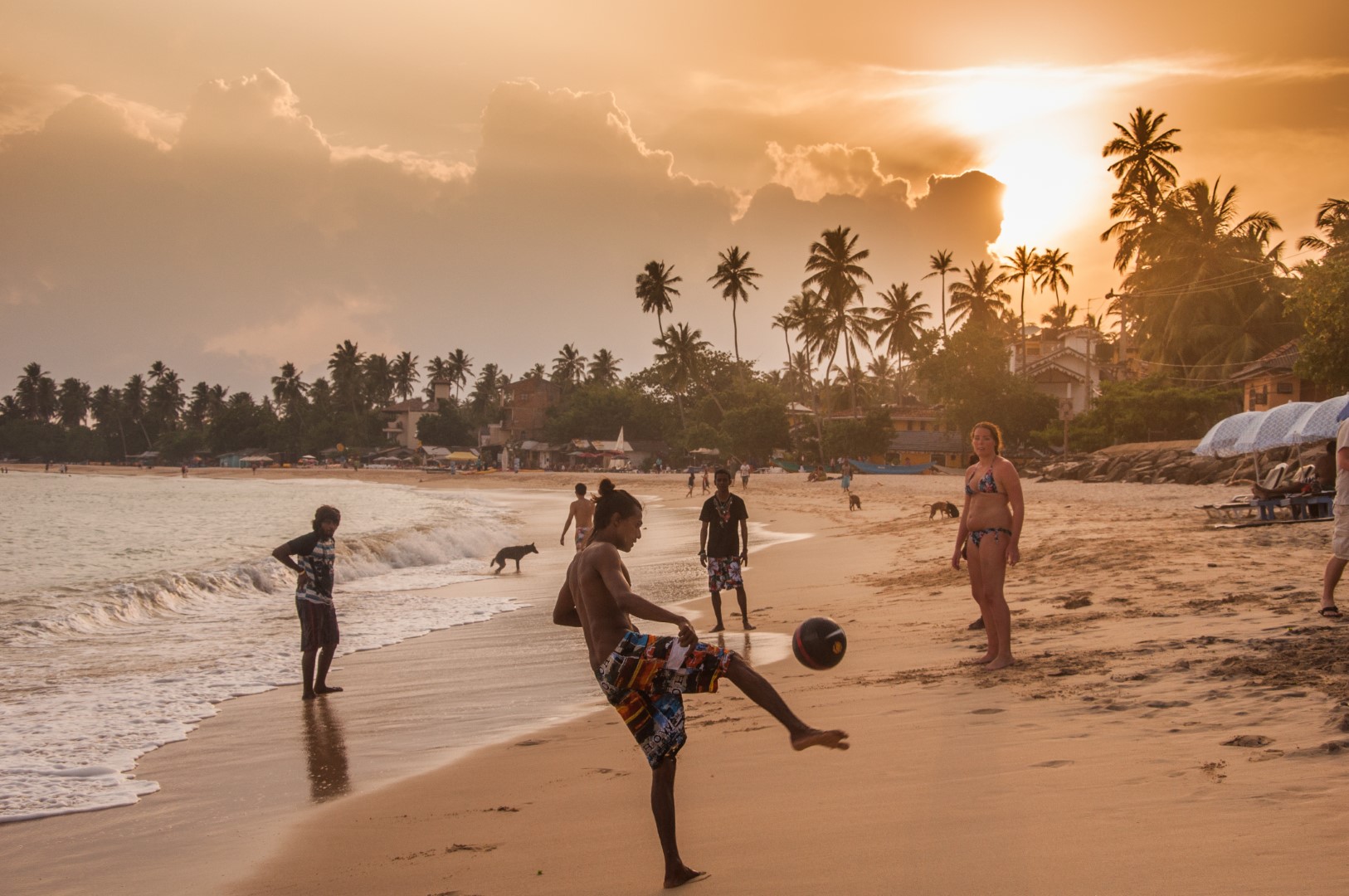
Unawatuna's crescent-shaped bay, sheltered by a rocky headland, creates one of the calmest and most swimmable beaches on the south coast - a natural horseshoe of clear water fringed by coconut palms and backed by a village whose hospitality has not been entirely consumed by tourism. The reef at the bay's edge offers decent snorkelling. Jungle Beach, a ten-minute walk over the headland, is secluded enough to feel like a discovery even on a busy weekend. The proximity to Galle - just a few kilometres east - makes Unawatuna a natural base for cultural exploration combined with beach relaxation.
Galle
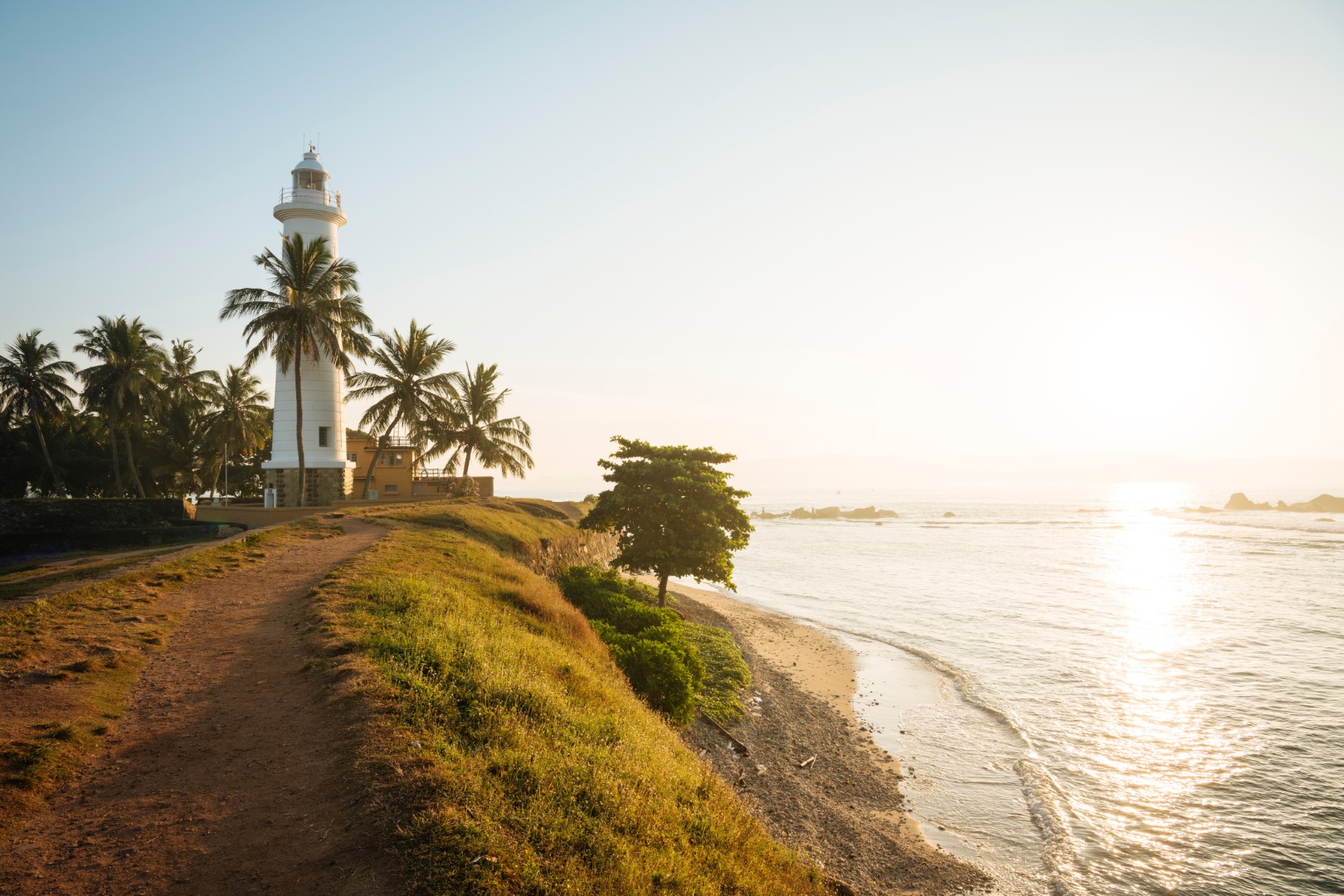
Galle is not primarily a beach destination - it is a UNESCO World Heritage city that happens to sit beside the sea. The Dutch fort, built in the 17th century and expanded across the following two hundred years, encloses a living neighbourhood of colonial-era buildings now occupied by boutique hotels, art galleries, independent restaurants, and design stores whose quality rivals anything in Asia. Walking the ramparts at sunset, with the Indian Ocean on three sides and the red-tiled rooftops of the fort below, is one of Sri Lanka's essential pleasures. The town outside the fort has its own character - a market district, old mosques, and the kind of street food culture that rewards those willing to wander.
Mirissa
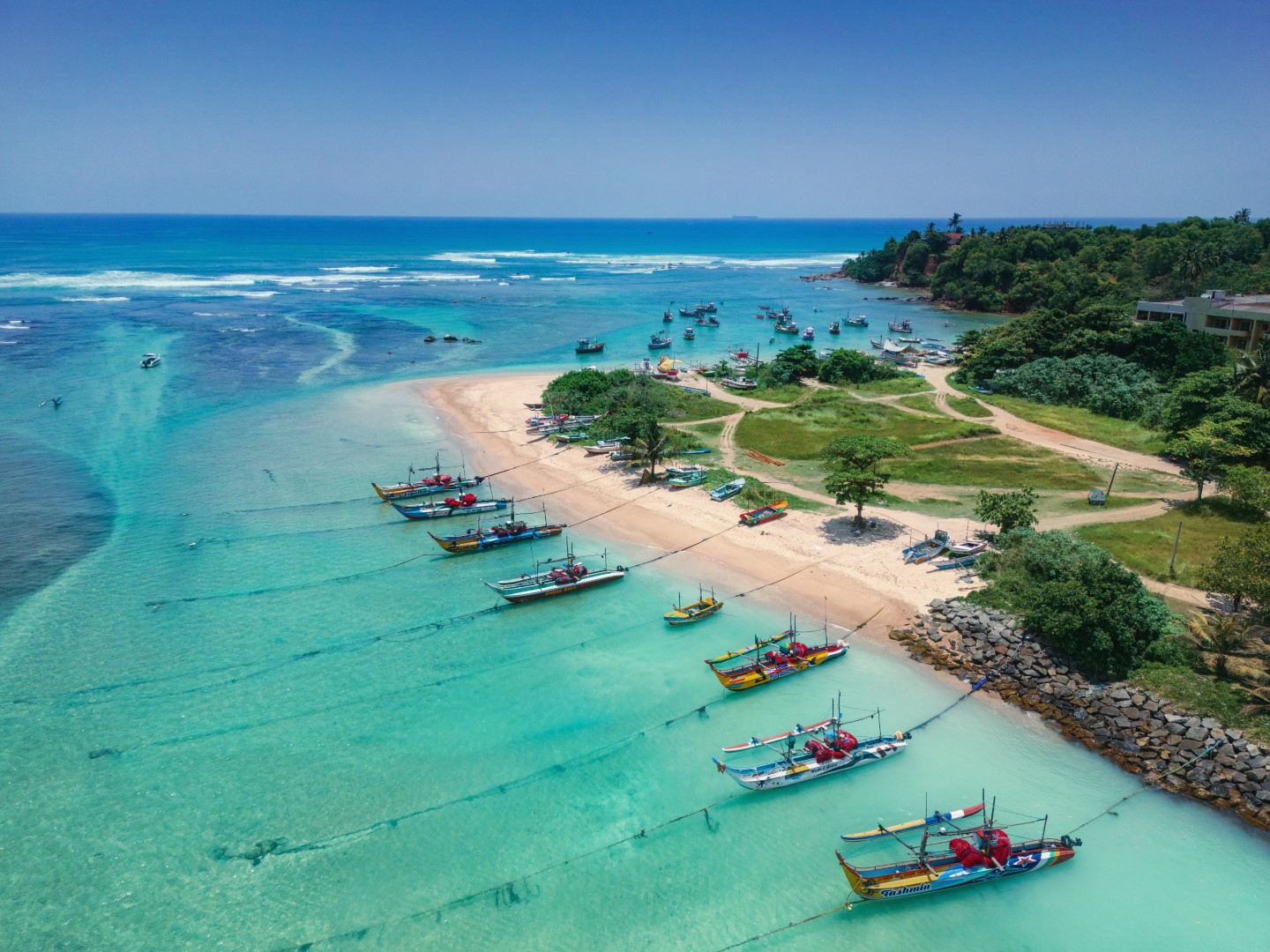
Between November and April, Mirissa becomes one of the world's premier whale watching destinations - blue whales, the largest animals ever to have lived, pass through these waters in significant numbers, and responsible operators bring visitors within proximity of these creatures at dawn with a reliability that few locations can match. Outside the whale watching season, Mirissa is a small, genuinely beautiful south coast beach with calm water, excellent seafood, and a laid-back atmosphere shaped by the fishing community whose boats still work these shores each morning. It is, without exaggeration, one of the most pleasant places to simply be on this island.

Weligama
Weligama's long, gently curving bay has been a stilt fisherman's perch for generations - and those iconic silhouettes of fishermen balanced on poles driven into the shallow reef are still visible at dawn and dusk, one of Sri Lanka's most photographed and genuinely otherworldly images. The bay itself is one of the best learn-to-surf locations in Sri Lanka: the wave is consistent, forgiving, and long enough to allow real runs. The town behind the beach has expanded with good restaurants and accommodation without yet losing the community feel that makes it different from the more developed coastal resorts to the north.
Arugam Bay
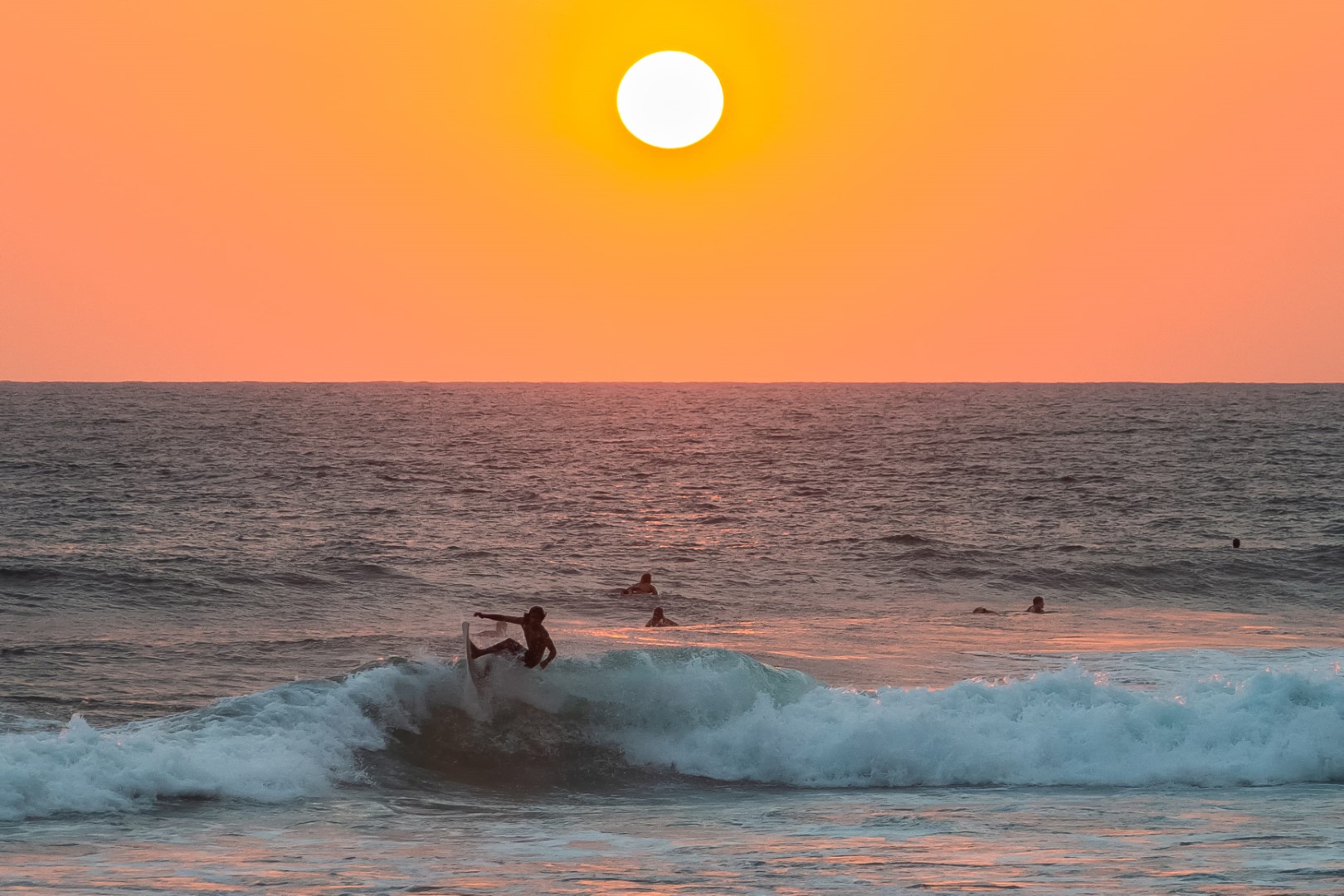
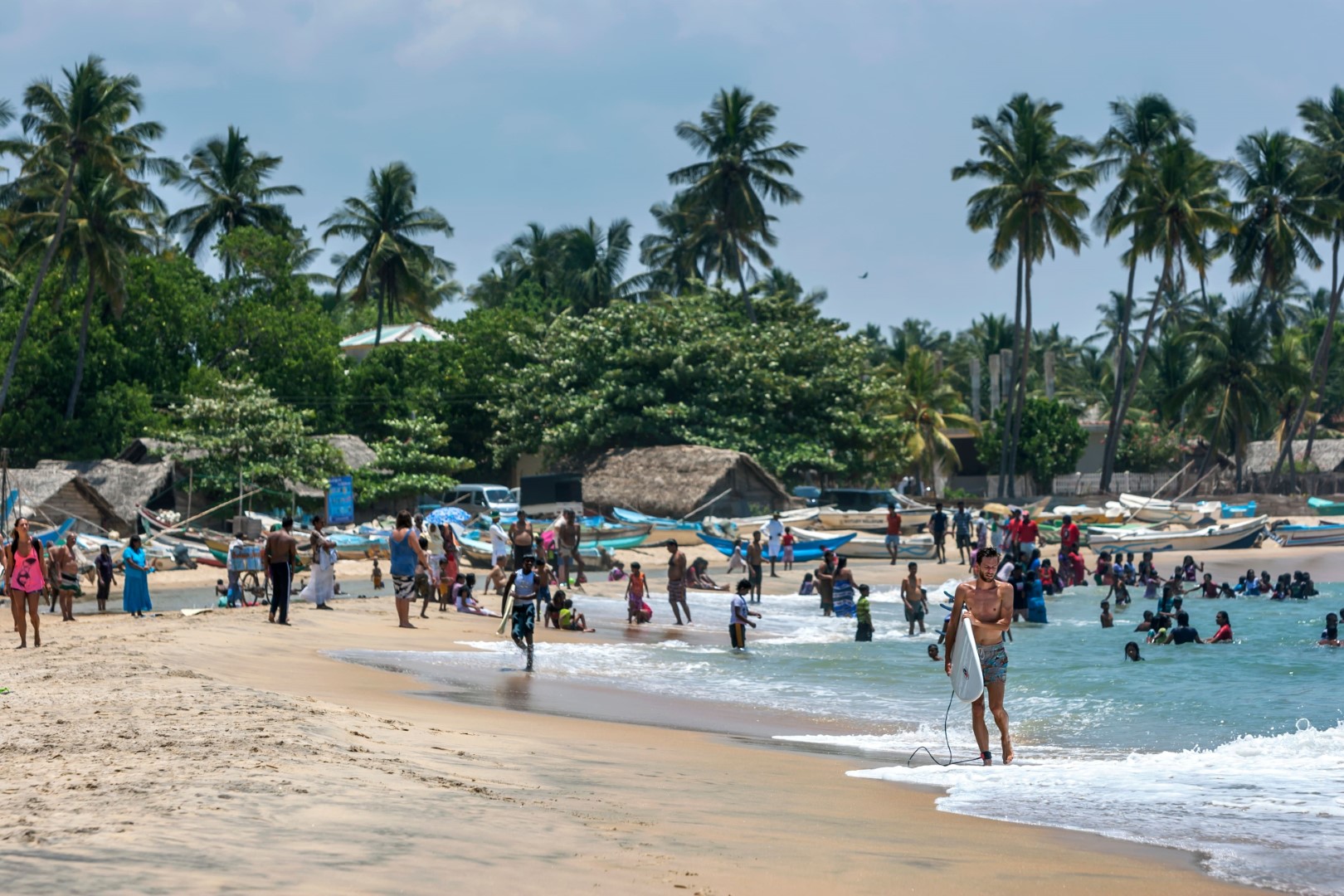
On Sri Lanka's eastern coast, Arugam Bay is a name known to surfers worldwide - the point break at the bay's southern tip is ranked consistently among the best in Asia, drawing serious wave riders from June through September when the south-west monsoon generates long, clean swells. The town around it has developed a distinctive character: relaxed, creative, international, and still small enough that the sand is never crowded and the sunsets are a shared ritual rather than a tourist attraction. Beyond the main break, the surrounding region offers flamingo lagoons, jungle-fringed beach extensions, and elephant sightings along the coastal road to Kumana.
Trincomalee
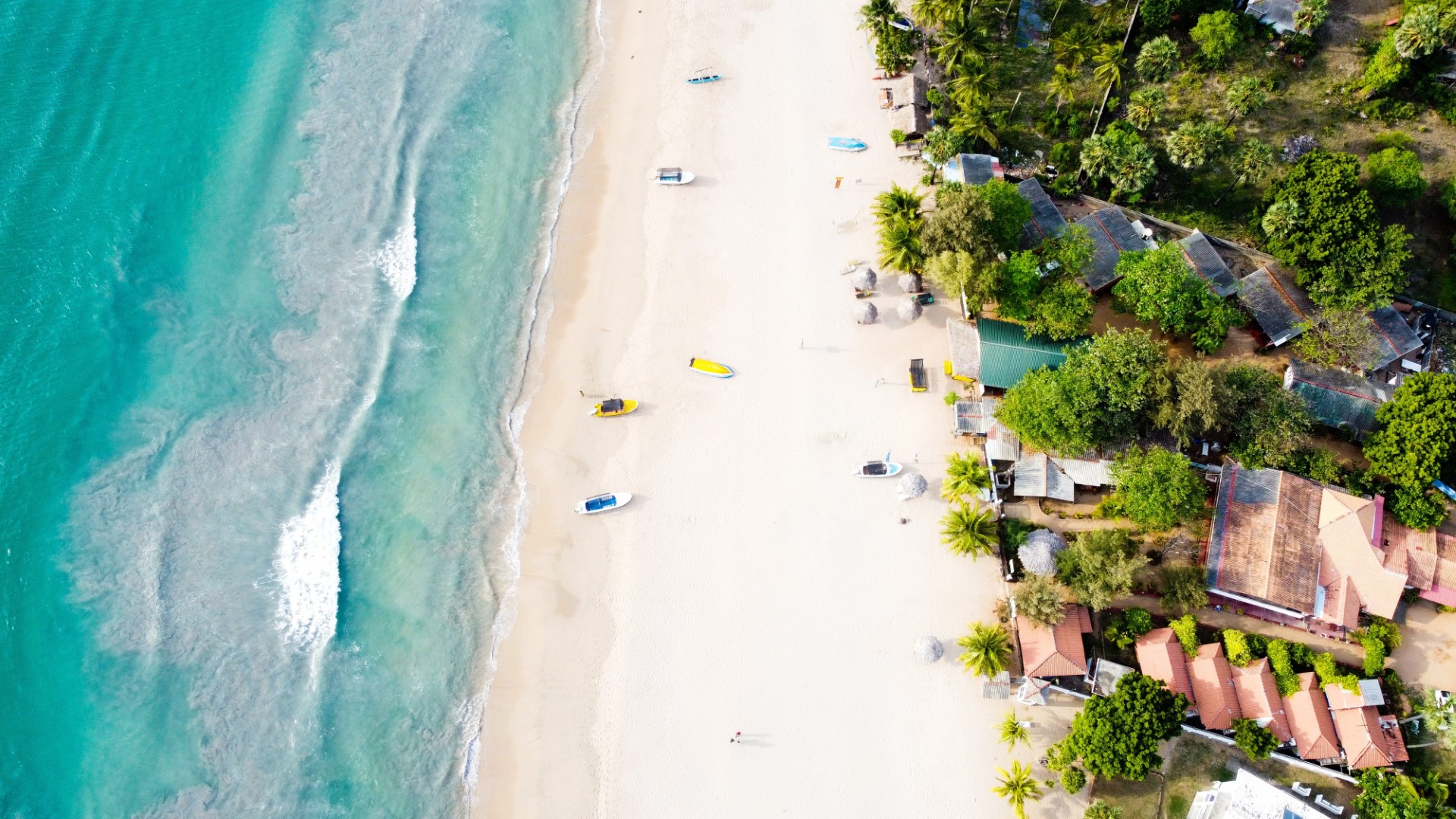
Trincomalee guards one of the finest natural harbours in the world - a deep, sheltered bay that has been coveted by every maritime power to have passed through the Indian Ocean. The beach at Nilaveli, a short drive north of the town, is widely considered among the most beautiful on the island: white sand, calm turquoise water, and a horizon that stretches unbroken to the east. Pigeon Island, a short boat ride offshore, is home to blacktip reef sharks and one of Sri Lanka's best snorkelling reefs. The ancient Koneswaram Temple, perched on a headland above the harbour, adds a spiritual dimension that puts Trincomalee in a different category from most beach destinations.
Pasikuda
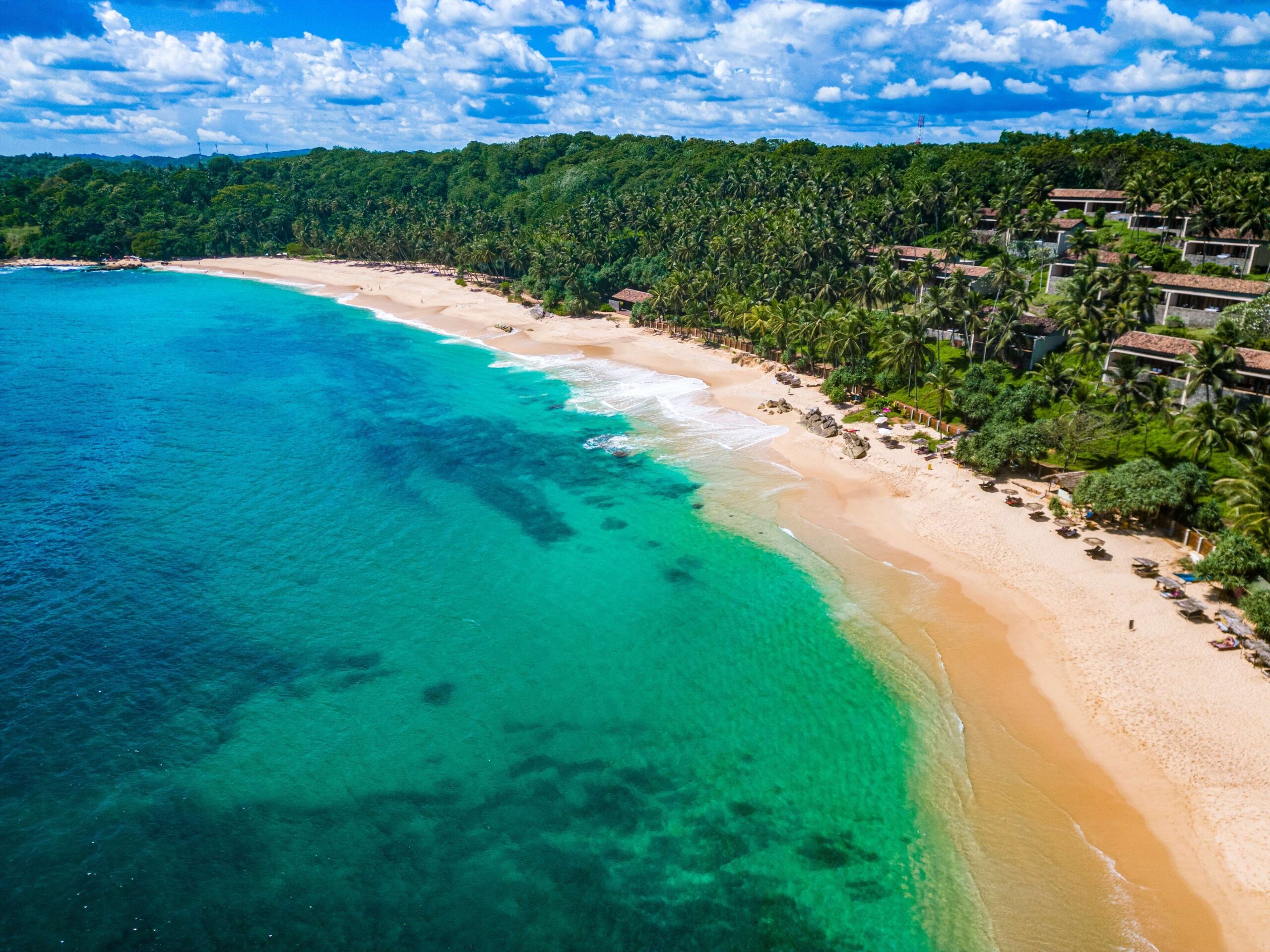
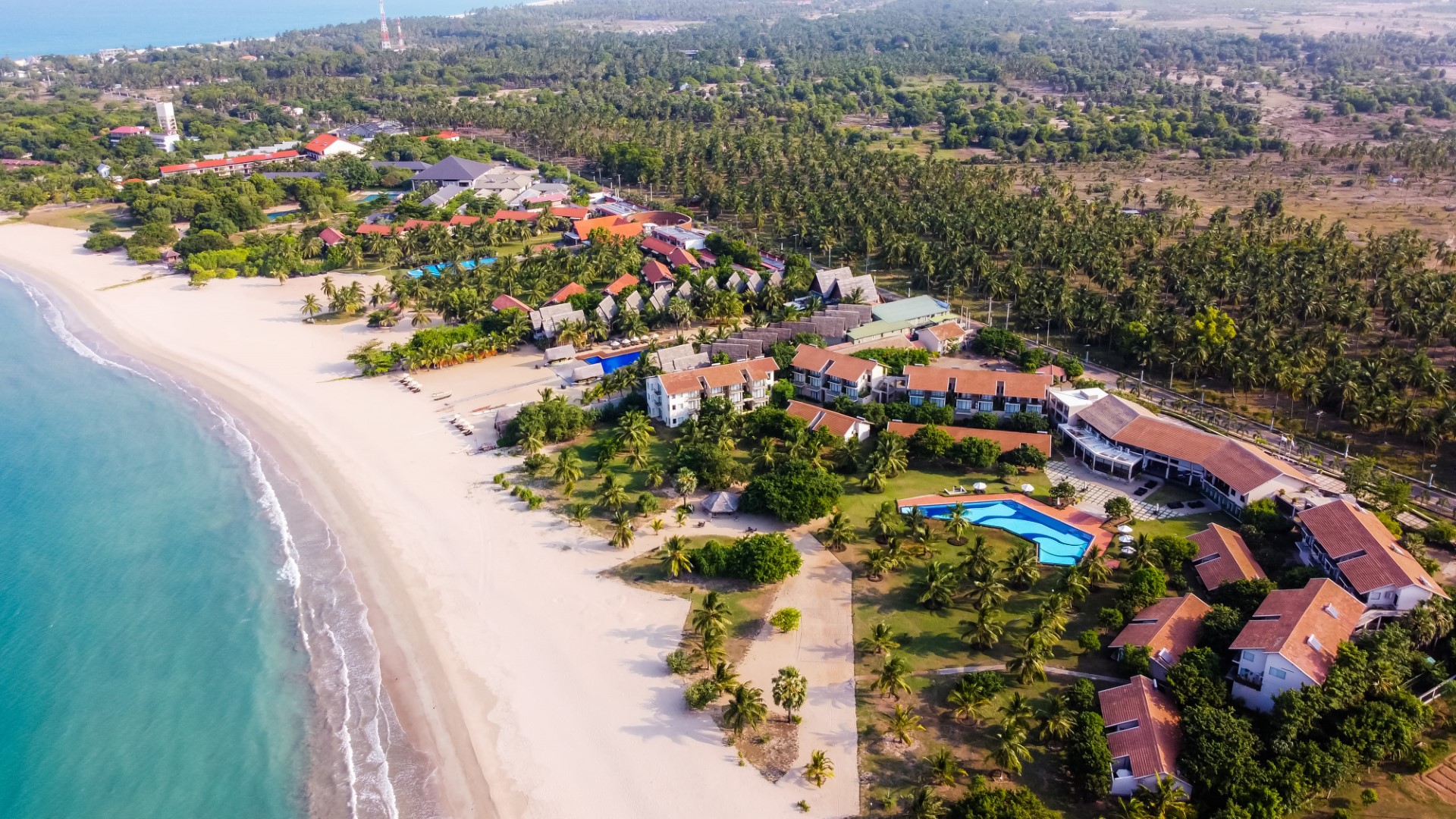
Pasikuda is unusual among Sri Lanka's beaches: a broad, shallow bay protected by an outer reef that creates calm, crystal-clear water for hundreds of metres from shore - the kind of conditions more associated with the Maldives than a mainland coast. The reef drops away quickly beyond the shallows, making it equally suitable for confident swimmers and young children in the protected zone. Development remains relatively low-key, the sand is exceptional quality, and the east coast light - particularly in the early morning and late afternoon - has a quality that photographers notice immediately. Pasikuda is not on the way to anywhere else on most itineraries, which means it rewards those who make the deliberate detour.